The European Commission has proposed the 21st package of sanctions against Russia, targeting key sectors including energy, financial services, crypto, trade – including fisheries, and for the first time vessels that assist the shadow fleet providing bunkering and other services.
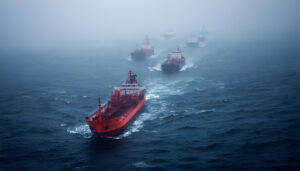
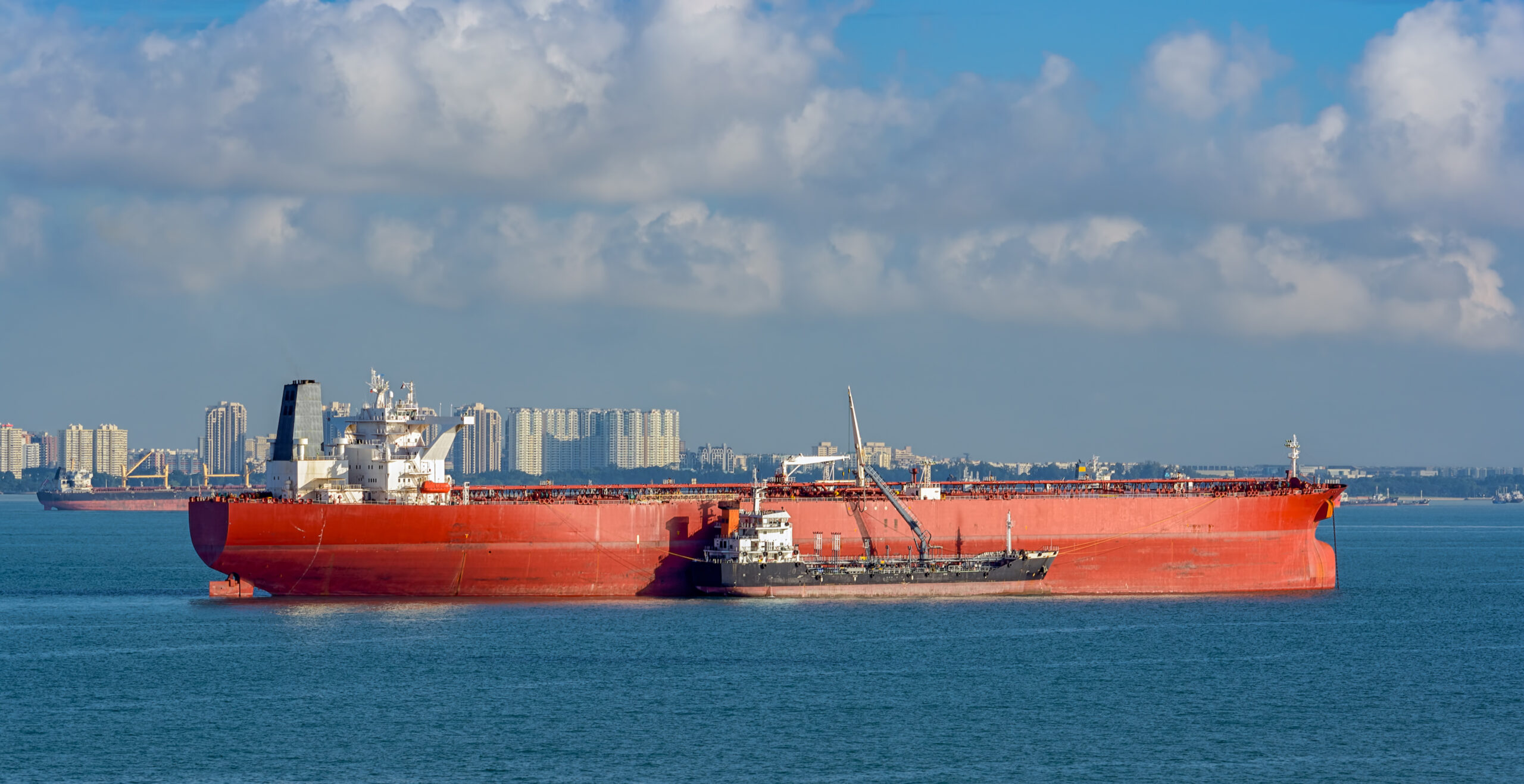
For the first time, the bloc plans to target vessels that support the shadow fleet through services such as bunkering.
In addition, the proposal targets critical infrastructure including ports, airports, refineries trading or processing Russian oil.
The package would also add 30 vessels to the EU sanctions list, bringing the total number of sanctioned ships linked to Russia’s so-called shadow fleet to 632.
Furthermore, EU proposes to pause the adjustment of the oil price cap until next January to stabilize markets while keeping pressure on Russia’s revenues.
“Our oil price cap has a built-in adjustment mechanism to follow the market,” said Commission president Ursula von der Leyen. “It was not made for market shocks like the one caused by the closure of the Strait in Hormuz. So, we propose to simply pause the adjustment until January next year. This will give oil markets time to stabilise while preserving pressure on Russia’s revenues.”
The European Commission also proposed restricting the sale of liquefied natural gas (LNG) tankers to Russia, mirroring existing restrictions on oil tankers.
Speaking at the press conference in Brussels, European Commission Ursula von der Leyen said Russia’s energy revenues fell by around 40% in early 2026 while hundreds of its ships have been targeted by EU sanctions.
“Two weeks ago, a drone crashed into an apartment building in Romania. Another one exploded in the port of Constanța just last week. Some call it Russian escalation. I see it differently. It is plain and simple: failure,” von der Leyen said, arguing that Russia’s economy is slowing and its budget is under increasing pressure.
On the financial front, Brussels plans to expand transaction bans to 31 additional Russian banks and impose measures on 20 banks, crypto firms, platforms, and oil traders in third countries accused of servicing sanctioned Russian entities and individuals or helping circumvent EU restrictions.
Additionally, Brussels is proposing restrictions on some fish product imports, including a complete ban on some products such as cod, while aligning trade restrictions on Belarus.
Our sanctions are working.
— Ursula von der Leyen (@vonderleyen) June 9, 2026
They are weakening the economic foundations of Russia’s war effort.
Today we double down.
With a 21st package.
Covering energy, banks & crypto, trade including fisheries and visa for Russian soldiers ↓ https://t.co/fTIkATOSfN