Bulk carrier safety continues to show steady long-term improvement, but the nature of risk facing seafarers is becoming more complex and multi-layered.
INTERCARGO – the International Association of Dry Cargo Shipowners – has reported encouraging progress in bulk carrier safety, with a steady reduction in bulk carrier losses.
The association has reported its findings in its Bulk Carrier Casualty Report 2026 which covers the ten-year period from 2016 to 2025.
Over that period, the global bulk carrier fleet grew from around 10,400 vessels in 2013 to 13,669 by December 2025.
Against that backdrop of significant expansion, 17 bulk carriers of 10,000 dwt or above were lost, representing 1.63 million dwt in total, with 71 seafarer lives lost. The rolling ten-year average of annual losses has fallen consistently throughout the period.
INTERCARGO attributed the improvement to enhanced ship design, improved crew training, operational experience and strengthened regulatory compliance. But the report underlines that despite the decline in traditional accidents, persistent and emerging risks remain, requiring continued vigilance and collaboration across the sector.
In accordance with the report, cargo liquefaction remains the leading cause of loss of life, accounting for 37 fatalities (over 50% of the total). The concentration is stark: vessels in the 50,000-59,999 dwt range account for just four of the 17 losses but 52.1% of all lives lost, reflecting the particular danger of nickel ore and similar high-risk cargoes on these routes.
Groundings remain the primary cause of vessel losses, responsible for 41.1% of cases, the association said. Losses are concentrated in vessels aged 15-19 years, underlining the importance of navigational discipline and passage planning as ships age.
Furthermore, flooding incidents, though fewer in number, account for nearly half of all lives lost.
INTERCARGO said the findings underline the importance of practical implementation of existing safety frameworks, particularly the IMSBC Code.
In parallel with operational safety, the report acknowledges the increasing complexity of the global operating environment.
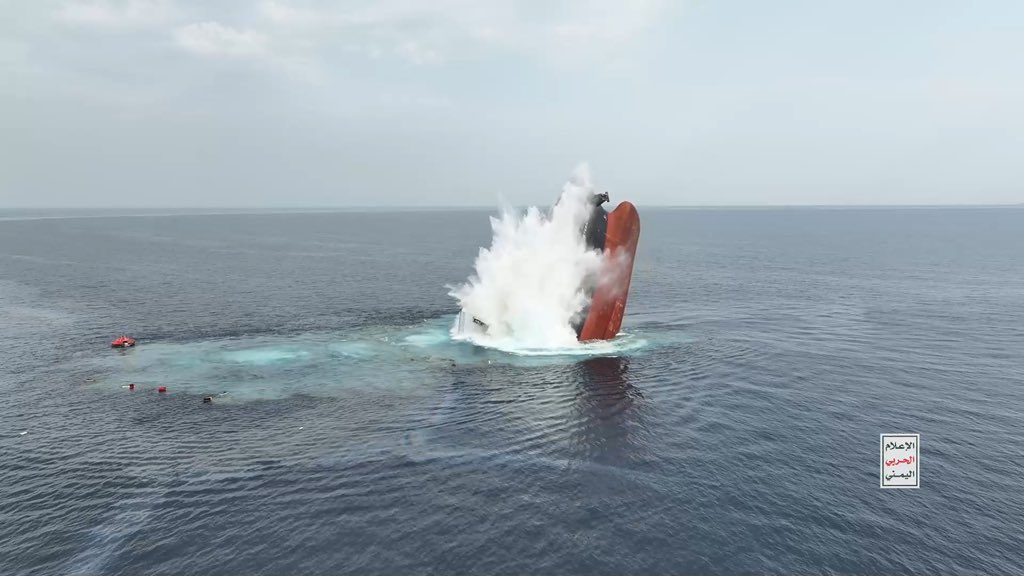
Between 2024 and 2025, five bulk carrier casualties in the Red Sea and Gulf of Aden were linked to missile, drone and uncrewed vessel attacks, resulting in fatalities and injuries. These incidents are recorded separately from the statistical analysis but reflect a wider challenge facing international shipping.
Commenting on the report, John Xylas, chairman of INTERCARGO, said, “The steady reduction in bulk carrier losses over the past decades reflects the industry’s continuous efforts to improve safety. Behind these numbers are real lives, and every incident reinforces the importance of learning and acting together.
The risk environment is no longer defined by traditional operational challenges alone. INTERCARGO will continue to work with its members and partners to turn insight into action, so that improvements in safety are accelerated.”
With global dry bulk trade continuing to grow, INTERCARGO emphasises that maintaining and improving safety standards requires ongoing collaboration between all stakeholders, including shipowners, charterers, shippers, ports and regulators.