The European Commission has selected 77 net-zero technology projects across 23 countries in the European Economic Area for €3.4bn in funding under the EU’s Innovation Fund.
The projects span energy-intensive industries, renewable energy and innovative energy storage, cleantech manufacturing, net-zero mobility, critical raw materials processing and recycling, advanced alternative fuels, and industrial carbon management, the Commission announced on Monday.
The call supports projects in five different topics: general decarbonisation for large-scale, medium-scale, and small-scale projects, clean-tech manufacturing and pilots.
Advanced decarbonised fuels feature in the large-scale category while maritime is also included in the funding package.
In the medium scale category, the EU has selected 17 projects requesting around €458m. This includes projects working on maritime, chemicals, refineries, intra-day storage, glass, ceramic and construction materials, cement and lime, bioenergy, iron and steel, and hydrogen.
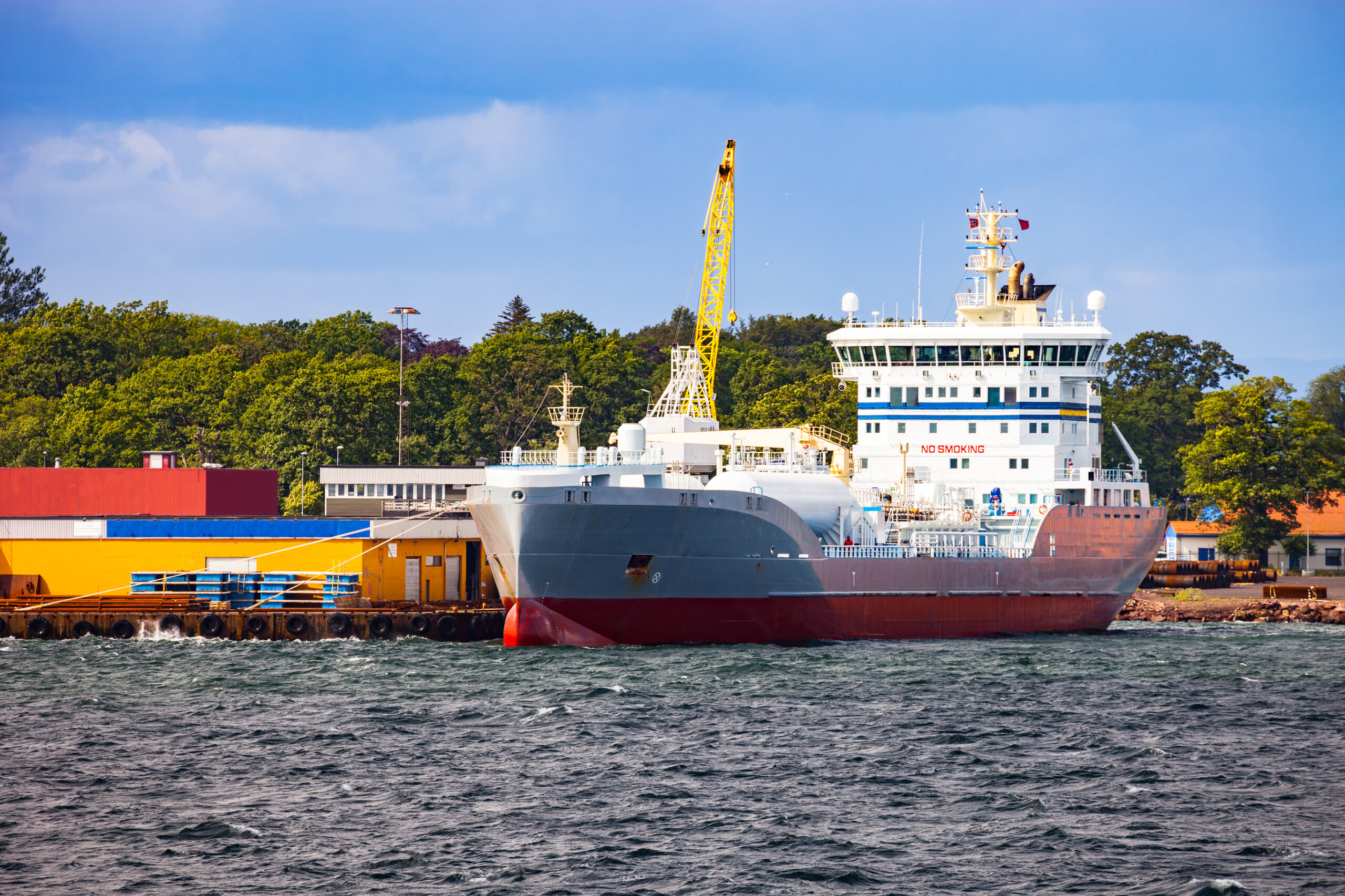
The so-called green ammonia fuelled fleet project will deploy a fleet of European medium gas carriers equipped with tri-fuelled propulsion system. The ships will transport green ammonia providing ship-to-ship bunkering on transcontinental routes between India, the US Gulf Coast and Northwest Europe.
The RIPPLE project (dual fuel ammonia propulsion system for clean ammonia) transportation will retrofit ocean-going ships that carry ammonia (so-called very large ammonia carriers or VLACs) with engines that can also use ammonia as fuel for propulsion. These dual fuel ammonia two-stroke engines will be installed on four VLACs in Denmark.
In the funding package, 12 large-scale projects are included, requesting around €1.58bn. This includes projects focused on advanced decarbonised fuels, industrial carbon management, chemicals, iron and steel, aviation, and a Critical Raw Materials Act Strategic Project.
Meanwhile, twenty projects are selected in the small-scale category, requesting around €124m, covering sectors such as critical raw material recycling, maritime, pulp and paper, ocean energy, buildings, refineries, chemicals, hydrogen, advanced alternative fuels, and intra-day electricity.
In the maritime sector, the EC funding includes projects supporting the retrofit of environmentally friendly technologies to reduce operational emissions and the retrofit of two battery-ready RoPax vessels, operating on the Naantali-Kapellskär corridor between Finland and Sweden.
The funding package also supports the OffshoreCharge project in Denmark and the SEATRON project to retrofit an existing 3,500-teu container vessel into a battery-electric ship operating on the Bremerhaven-Hamburg-Gothenburg route.
The Commission estimates that the 77 projects have the potential to significantly reduce greenhouse gas emissions, avoiding the equivalent of around 290 million tonnes over their first decade of operations.
Promoters of the selected projects have been invited to begin grant agreement preparations with the European Climate, Infrastructure and Environment Executive Agency.
During this phase, the Commission and the project promoters will finalise the funding contract, confirming the budget, timetable, technical and financial deliverables, and legal responsibilities.
The results of this process will be announced in the first quarter of 2027.
The EC is preparing to launch the next round of Innovation Fund calls in early December 2026.