Update: There is no appetite among EU countries to change the mandate of the EU’s naval operation Aspides so that it can protect civilian ships in the Strait of Hormuz. European leaders have rejected demands by US president Donald Trump to help ensure freedom of navigation in the Strait of Hormuz.
“There was no appetite in changing the mandate of operation Aspides – for now. While the Strait of Hormuz is at the centre stage, the Red Sea also remains critical. The risk that Houthis get involved is real, so we must remain vigilant,” EU high representative for foreign affairs and security policy Kaja Kallas told reporters Monday.
Prior to the meeting with EU foreign ministers in Brussels, EU foreign policy chief Kaja Kallas had suggested that extending the bloc’s Aspides mission was the “fastest” way for it to boost security in the Strait of Hormuz.
After the gathering, she said there had been “no appetite” for extending the mission, which was established to protect ships from attacks by Yemen’s Houthis in the Red Sea.
“Nobody wants to go actively in this war,” she said.
Earlier Kallas had said the European Union could expand the Aspides naval mission to protect the Strait of Hormuz and secure commercial shipping amid rising tensions and energy market disruptions.
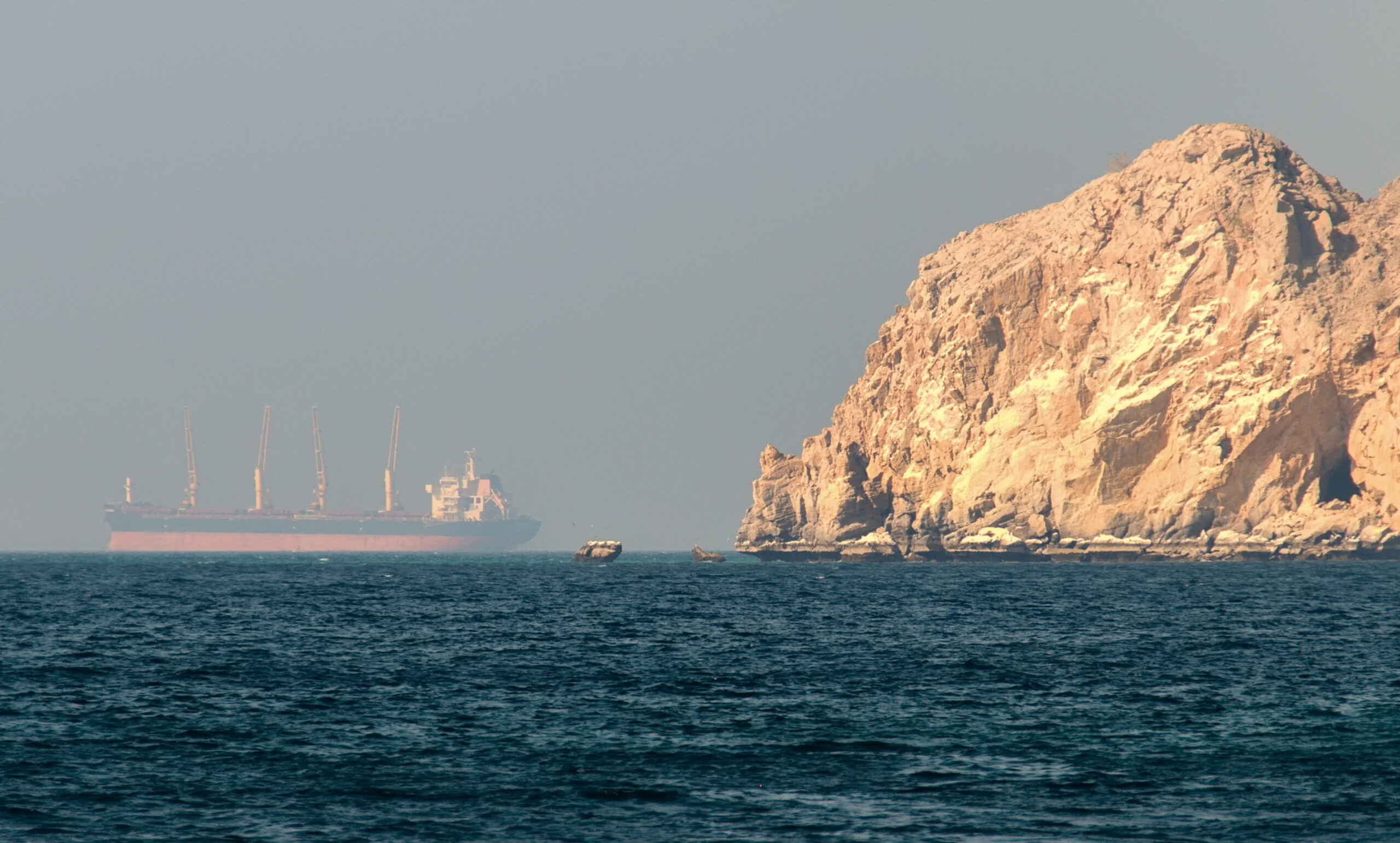
With the Strait of Hormuz largely shut off since the United States and Israel began attacking Iran on February 28, some European officials have pondered whether the EU mission could be part of an effort to restore freedom of navigation in the Gulf.
Kallas said she held talks with UN Secretary General António Guterres about a potential initiative to secure the safe passage of shipments through the Strait of Hormuz similar to how it was done in the Black Sea for Ukrainian grain exports.
She also stressed that the closure of the shipping route for fertilizer transports could cause future food scarcity.
“I had talks with Antonio Guterres about whether it was possible to also have the same kind of initiative like we had the Black Sea initiative, how to get the grain from Ukraine out, because the closure of Strait of Hormuz is really dangerous for the oil supplies, energy supplies to Asia. 85% of the oil and gas through Strait of Hormuz goes to Asian countries. But it is also problematic for the fertilisers. And if there is lack of fertilisers this year, there is going to be also food deprivation next year. So, we discussed with Antonio Guterres how to make this happen,” Kallas said.
Kallas also said ministers would also discuss whether it was possible to change the mandate of the EU’s naval mission, Aspides, which currently focuses on protecting ships in the Red Sea from Yemen-backed Houthis.
“The point is that whether the Member States are willing to actually use this mission. If we want to have security in this region, then it would be easiest to actually already use the operation that we have in the region, and maybe a change a bit. There is also talk of Coalition of the Willing in this regard,” she said.
Asked about the scepticism expressed by German Foreign Minister Johann Wadephul on whether Aspides could be useful in the Strait of Hormuz, Kallas said: “We have proposals on the table, what we could do. But of course, we need to also have the Member States on board. If the Member States say that we are not doing anything with this, then, of course, it is their decision. But we have to discuss how we help to keep the Strait of Hormuz open.”
Kallas warned again against the spillover effects from the fighting in the Middle East to the war in Ukraine.
“It is important that the attention on the Middle East does not take away the attention from Ukraine. That the attention does not fizzle out there,” she said.
Last week, German foreign minister Wadephul travelled to Cyprus, Israel, the Gulf region and Turkey to show solidarity with these countries in the face of the military escalation.
Wadephul first travelled to Cyprus to discuss the current security situation in the Middle East with his Cypriot counterpart Constantinos Kombos.
Cyprus is an important and close partner for Germany in the European Union and plays a key role in European security and foreign policy on account of its geostrategic location in the eastern Mediterranean.
US president Donald Trump on Saturday called on China, France, Japan, South Korea, Britain, and other countries impacted by the curbing of oil supplies through the Strait of Hormuz to join efforts to reopen the Hormuz Strait. “Hopefully China, France, Japan, South Korea, the UK, and others, that are affected by this artificial constraint, will send ships to the area so that the Hormuz Strait will no longer be a threat by a nation that has been totally decapitated,” the president wrote in a post on Truth Social.
Athens opposes expansion of ‘Aspides’ mission to Strait of Hormuz
Athens remains negative about the possibility of expanding the mandate of the European Operation ‘Aspides’ to the Strait of Hormuz. As Greek government spokesman Pavlos Marinakis said during a briefing of political reporters, “there is no issue of our country’s involvement in such an operation.”
As he said to reporters: “First of all, there is no issue of our country’s involvement in an operation in the Strait of Hormuz. Our country participates in the ‘Aspides’ operation.
“The ‘Aspides’ operation is geographically defined in the Red Sea and does not concern the Strait of Hormuz. Only ships from Greece and Italy are currently participating in this operation.
“And what is the objective of this operation? It is the guarding and protection of the ships. This is Greece’s involvement. What I have to say, after relevant communication with the Ministry of Foreign Affairs, is that our country continues and extends a call to Iran to refrain from any action that obstructs the freedom of navigation.
“It is critical, the whole world understands why. Universal application of international law. This is our country’s position and a return to diplomacy. And in no case, I emphasize again, do we intend to get involved in the war.”