Britain announced sanctions targeting 38 Russian energy companies, shadow fleet tankers and financial networks that allegedly fuel Russia’s war effort.
“The message is simple: if you help Russia fund or equip this war, you will face the consequences,” the Foreign Office said in a statement.
Britain sanctioned two Russian oil companies, saying the restrictions now cover over 90% of Russia’s total oil production capacity.
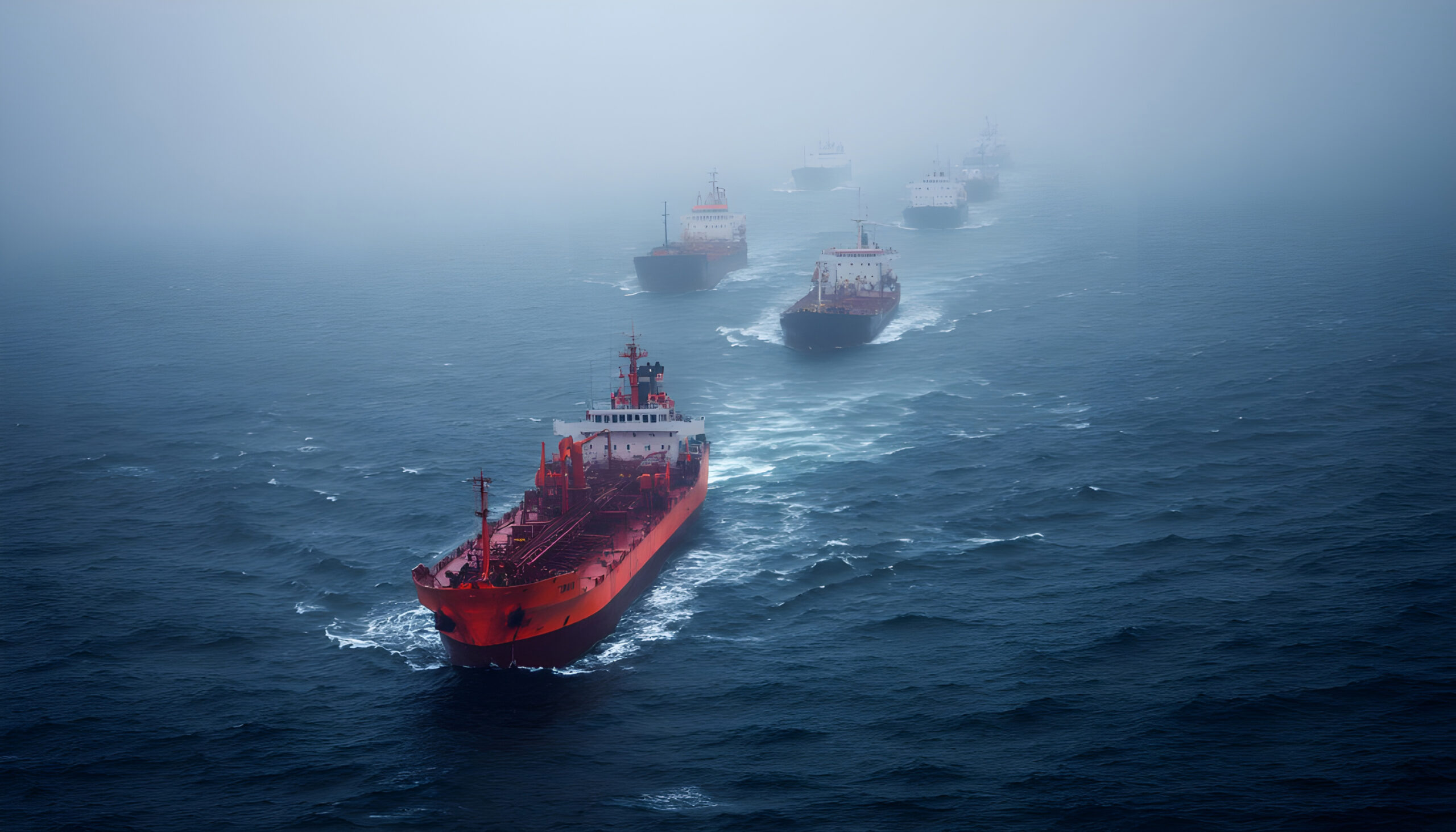
An additional 12 tankers were also sanctioned, expanding the total number of targeted shadow fleet vessels to more than 600.
According to the Foreign Office, these vessels are used to circumvent sanctions and transport Russian oil, including through deceptive shipping practices and the use of false flags.
The Foreign Office noted that the new sanctions target not only vessels already at sea but also those facilitating the supply chain used to transport Russian oil around the world.
“By sanctioning these companies, we’re not only stemming the flow of Russian oil money, but cutting off the routes used to circumvent our sanctions regime by making it harder for major Russian oil companies to rebadge their oil under the name of an unsanctioned entity,” the governmental statement reads.
Shadow fleet: Industry body Intertanko urges for greater regulatory clarity
Last week, the International Association of Independent Tanker Owners used the European Panel meeting in Paris to underline its commitment to remaining an agile and influential voice for the tanker industry as members navigate an increasingly complex operating environment.
Opening the meeting, managing director Tim Wilkins highlighted the Association’s continued growth, representing more than 190 members and over 4,100 tankers, while stressing that the industry faces unprecedented uncertainty and rapid change.
“It’s quickly becoming a situation where you can’t predict what’s going to happen over the next six to 12 months, even next week,” he said. “It’s really how we respond to these changing environments that will define us as an organisation.”
A significant part of the presentation focused on the geopolitical challenges facing tanker operators, particularly sanctions and the growth of the shadow fleet.
Wilkins warned that the issue poses both reputational and operational risks for the wider industry, arguing that policymakers must do more to distinguish quality operators from vessels operating outside accepted standards.
“The shadow fleet is putting the tanker industry back on the front page for the wrong reasons,” he said, while urging greater regulatory clarity and stronger action to reduce risks to seafarers and the marine environment.