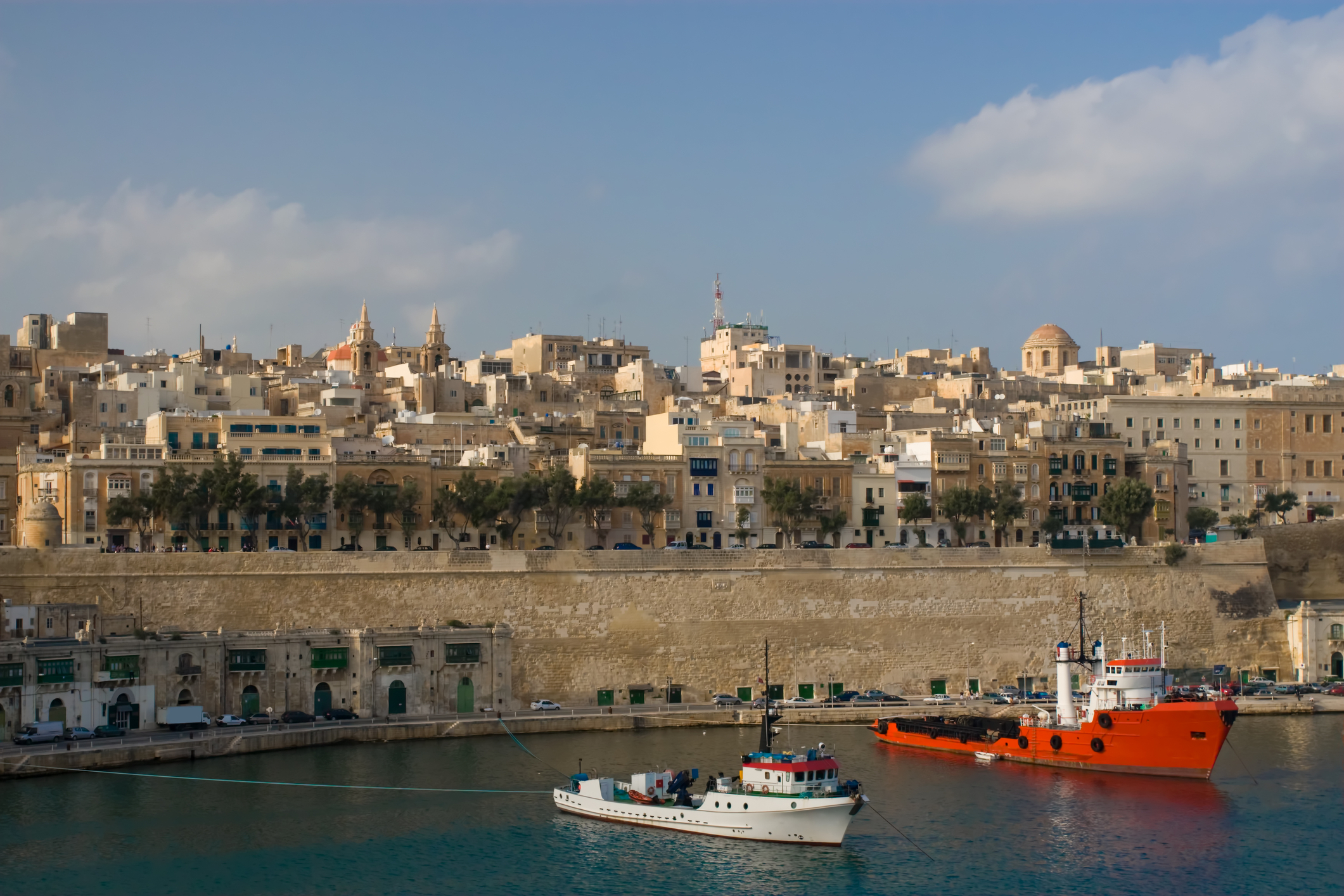
Malta was in the spotlight last week, as it hosted the first meeting of shipping registry compliance officers.
The Valletta-based Global Centre for Maritime Sanctions Monitoring (GCMSM), in partnership with the United Nations Office on Drugs and Crime (UNODC), held its first international meeting of shipping registry compliance officers in Malta.
The event brought together compliance officers and registry authorities from 37 countries, as well as UN experts, EU representatives, and maritime governance specialists, to strengthen collective efforts in implementing UN Security Council sanctions in the maritime industry.
Participants are examining systemic vulnerabilities in global shipping registries, including abrupt reflagging, insufficient due diligence, opaque ownership structures, inadequate vessel-history checks, and limited monitoring of high-risk behaviour at sea. Such weaknesses create opportunities for sanctions evasion and undermine the integrity of the rules-based maritime system.
Speaking at the opening of the meeting, deputy prime minister and minister for foreign affairs and tourism Ian Borg noted that as a maritime nation with the sixth largest ship registry in the world, Malta is committed to the promotion of responsible, transparent, and law-abiding shipping practices, ensuring that its flag is not exploited, and that global maritime governance is strengthened.
“This week’s meeting reaffirms the need for coordinated, multilateral action to address structural vulnerabilities in maritime sanctions compliance. The stability of the global maritime system rests on our collective vigilance. Fragmentation empowers those who operate in the shadows, while cooperation restricts their room to manoeuvre,” Dr Borg stated.
Chris Bonett, minister for transport, infrastructure and public works, noted that ship registries should work together to align their approach, not by imposing uniformity, but by reducing the vulnerabilities created when systems diverge too widely.
“Recent developments in global shipping have shown that no registry can operate in isolation. Fragmented compliance practices create vulnerabilities that expose the entire maritime system. Malta remains committed to upholding the integrity of its register and to working with international partners to strengthen coordination, improve traceability, and close the gaps where evasion risks emerge. Reputation in this sector is a shared asset, and through greater alignment and collaboration between registries, we can safeguard the credibility of the global maritime framework,” minister Bonett said.