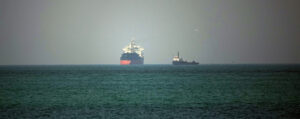
The Norwegian Maritime Authority (NMA) has decided that, until further notice, Norwegian-flagged vessels will not be permitted to enter the Strait of Hormuz. For ships already operating in the area, the NMA will continue to place weight on the security assessments made by the companies themselves.
“We do not believe any companies are planning voyages into this area in the near future. However, given the way the situation has developed, it is important to underline that we are now moving from a strong recommendation regarding traffic in the area to a prohibition on entering the Strait of Hormuz. For ships already inside the area, level 3 still applies,” said director general of shipping and navigation Alf‑Tore Sørheim.
In a statement issued Thursday, the NMA announced that Norwegian-flagged vessels are no longer permitted to enter the Persian Gulf via the Strait of Hormuz until further notice.
Shipping companies will continue to make their own security assessments about whether remaining in the area or leaving the area is considered safer.
“For vessels already operating in the area, companies will remain responsible for assessing the security situation should circumstances arise where leaving the area is considered safer than remaining,” the statement of NMA reads.
The authority said military operations are ongoing in the region, and the threat level is assessed as critical, indicating that attacks are likely and that conditions remain highly hazardous for commercial shipping.
Norwegian regulators also warned of extensive GPS/AIS spoofing in the Arabian Gulf, the Strait of Hormuz, and the Gulf of Oman.
Sporadic disruptions affecting communications and radar systems have also been observed.
“In recent days, civilian vessels attempting to leave the area have come under attack. This is an unacceptable and serious assault on civilian shipping. We are in close dialogue with companies operating under the Norwegian flag that have vessels in the area. We understand that the situation has deteriorated further and that they are now likely facing increased insecurity,” Sørheim added.