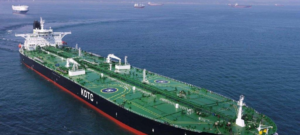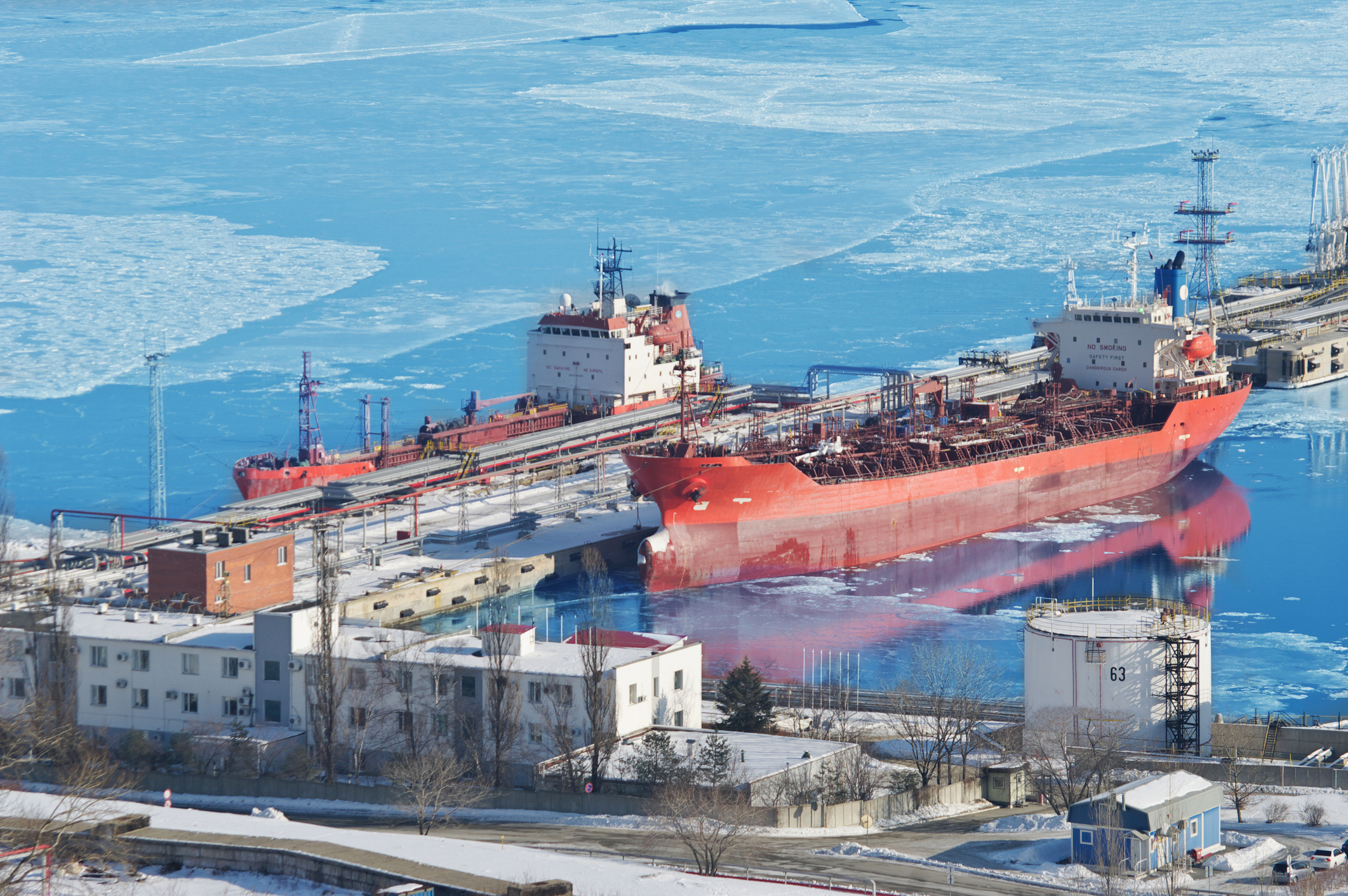
Preliminary figures show European-owned tankers shipped 29% of all Russian oil in December, underscoring the growing complexity of sanctions enforcement as Western governments further target exports funding the Kremlin’s war in Ukraine, according to Maritime AI™ company Windward.
That share rebounded sharply from November, when just 17% of crude, refined products, and fuel oil was exported on EU tonnage – one of the lowest levels recorded since the oil price cap was introduced nearly three years ago.
The December rebound highlights how Russia rapidly recalibrated its seaborne logistics and oil marketing networks after the U.K. and U.S. sanctioned the country’s two largest oil producers in October.
The G7 and Australia are now weighing a full maritime services ban, which would effectively end the oil price cap regime that still allows many marine service providers to retain a shrinking share of Russian oil shipments.
According to Windward, three-quarters of Russia’s Urals crude shipped on EU tonnage was loaded in the final 10 days of November.
By December, two-thirds of Russian crude was shipped on sanctioned tonnage, while 16% moved on EU-owned tankers. Sanctioned tonnage carried 45% of all crude, fuel oil, and refined products in the final month of 2025.
In November, EU-owned tonnage accounted for 9% of crude shipments and 17% of total oil volumes.
The share of shipments carried on sanctioned vessels increased over the course of 2025 as the EU and U.K. expanded blacklists of dark fleet tankers, with the total now exceeding 550 ships.
Additional shadow fleet designations in the fourth quarter contributed to temporary disruption in October and November.
Windward tracking of Russia-loading tankers over November and December, as of December 30, shows an increase in crude transfers to ships operating off Oman and Egypt after Russia’s two largest oil producers were sanctioned. According to Windward, this “clean” or unsanctioned tonnage then delivered cargoes to ports in China and India, while other volumes remained at sea or in floating storage.
Under the G7 oil price cap introduced three years ago, Western shipowners, charterers, insurers, traders, and banks are prohibited from servicing cargoes sold above the cap to third countries. The policy was designed to reduce Russian revenue while maintaining global oil flows.
In the final months of 2025, however, a significant policy shift has emerged among G7 governments toward restricting and disrupting Russian oil exports outright.