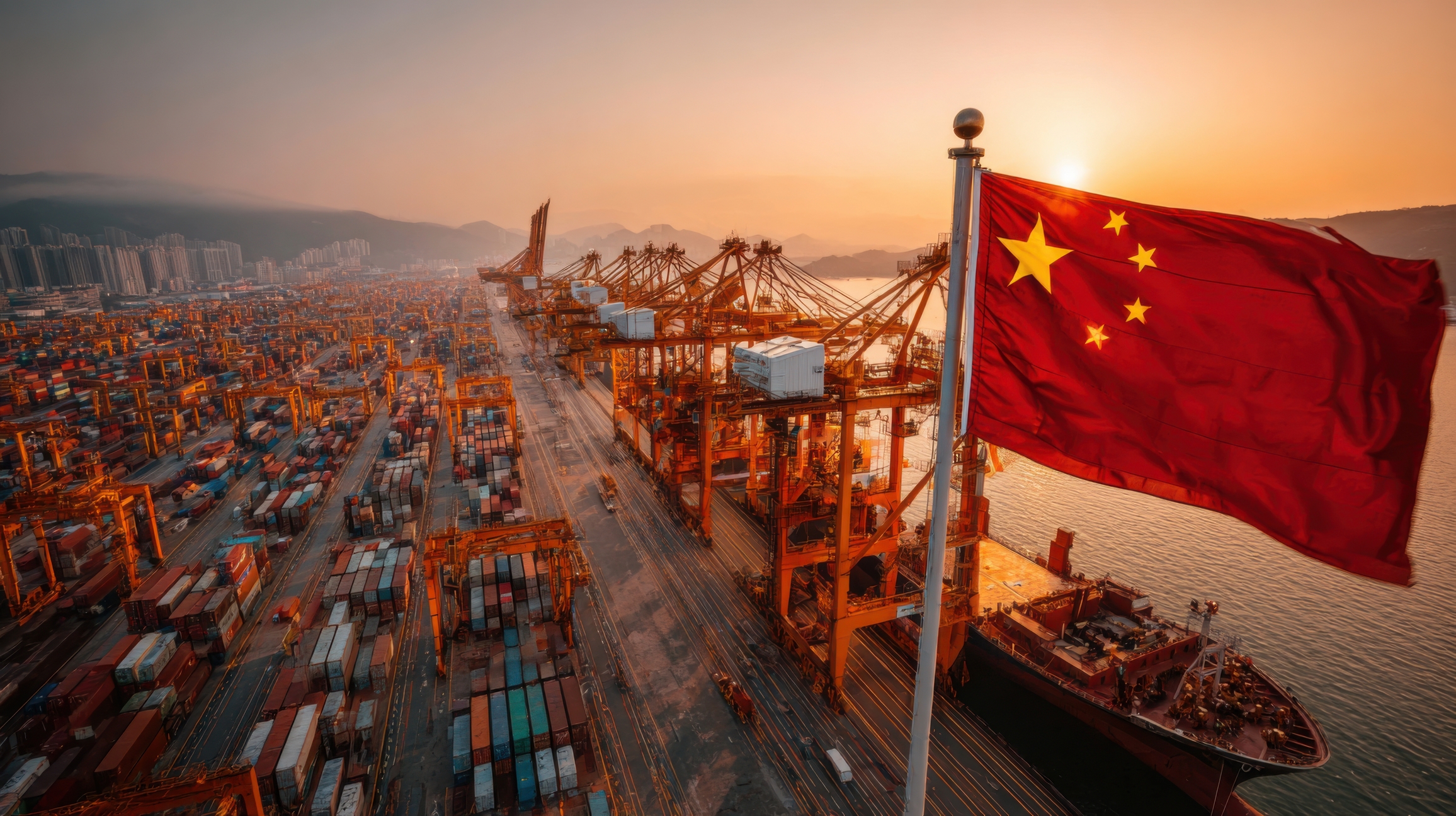
China’s transportation economy remained generally stable in the first half of the year, with major indicators continuing to grow, according to the Ministry of Transport.
Total port cargo throughput rose 2 percent year on year, while container throughput climbed to 5.9 percent.
East Asia was the main engine of global trade growth in the first quarter of 2026, supported by strong import and export performance in China and the Republic of Korea. Trade in other Asian subregions contracted, while Africa and the Americas experienced stronger import than export growth.
On the export side, UNCTAD said the Republic of Korea recorded the strongest growth, with exports increasing by 20%, followed by China at 11%.
Japan, South Africa, and the United States also posted robust export growth.
On the import side, China recorded the strongest increase, with imports rising by 13%, followed by solid growth in the Republic of Korea.
Brazil and Japan also experienced import growth, while imports in most other major economies remained broadly unchanged compared with the previous quarter.
Global trade continues to expand despite price pressures
Global goods trade is estimated to have reached approximately $13.7 trillion in the first half of 2026, up 12.5% from the same period in 2025. Service trade grew at a slower pace, expanding by 10.5% compared with the first half of 2025.
According to UNCTAD’s Global Trade Update, a significant share of the increase reflects higher prices rather than stronger trade volumes. Disruptions to shipping through the Strait of Hormuz, together with concerns over energy supplies, raised energy, transport, logistics and production costs.
In its latest edition of the Global Trade Update, UNCTAD said prices of traded goods increased by about 3.6% in the first quarter and is estimated to have risen by about 5% in the second, largely reflecting higher energy and selected commodity prices.
UNCTAD said global trade growth is expected to remain positive but increasingly uneven, with gains in selected sectors and regions offset by rising geopolitical tensions, policy uncertainty and trade costs.