Dockworkers in 22 countries are preparing coordinated strikes and demonstrations on Friday, October 30, in an international campaign opposing the movement of military equipment to conflict zones through civilian ports. The strike is now backed by trade unions in at least 111 ports.
A coordinated dockworkers’ strike is set to hit more than 111 ports on Friday as unions in at least 22 countries protest war and the use of ports for arms exports.
The protest is expected to target major shipping hubs across Europe and beyond. However, it was unclear how many dockworkers would take part or how severe any disruption would be.
More than 25 unions, representing 113 ports in 22 countries spread over Europe, Asia, Africa, America and Australia, are participating in the International Day of Action on October 30, according to a statement from Italy’s Unione Sindacale di Base (USB).
The strike is the second major International Day of Action of Dockworkers and Port Workers against war and militarisation organised by dockworkers worldwide this year. The first took place in February, with strikes at 20 ports in seven different countries around the Mediterranean, demanding that ports be kept free from any involvement in war.
Through the slogan “Ports for Peace – Jobs with Dignity,” the strike against wars is also linked to demands for higher wages, permanent employment, safe workplaces, and the right to collective bargaining.
The mobilisation is taking place at a critical time, as military conflicts are spreading and war fronts are dangerously expanding and becoming interconnected, from Ukraine to the Middle East.
In Greece, dockworkers have announced participation in the protests while other maritime unions intend to participate in longer strikes.
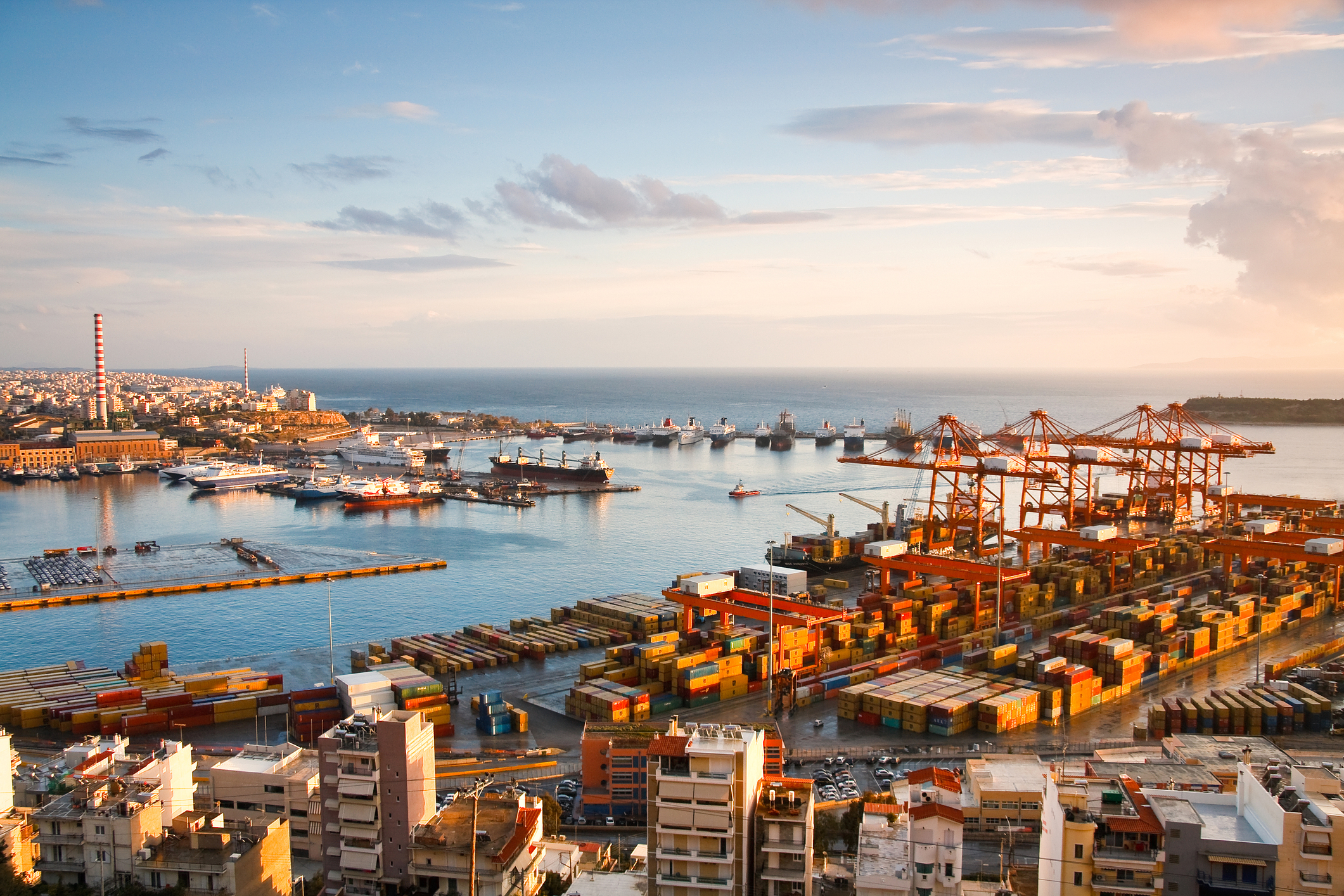
At Piraeus, the country’s largest port, dockworkers are joining the International Day of Action and Mobilization against war, alongside all member unions of the European Dockworkers’ Council (EDC), by holding a three-hour work stoppage from 10:00 a.m. to 13:00 p.m., while other unions in the country plan a 24-hour strike.
Piraeus, Rafina, Lavrio, Patra, Igoumenitsa, Elefsina and the Rio-Antirrio will be impacted. The walkout in Greece brings together seafarers, dockworkers and port staff under separate but overlapping mobilisations, with unions citing – among others – wage demands, safety concerns tied to regional conflicts, and crew staffing levels aboard vessels.
In their announcements, the unions express concern about the safety of seafarers working in areas where conflicts are taking place.
Friday’s mobilisation will provide an indication of how effectively unions can coordinate industrial action across different countries, legal systems and transport networks.
Its practical significance will depend on how many workers participate, which terminals suspend operations and whether shipping companies can maintain schedules through alternative arrangements.
Whether that coordination translates into substantial disruption to international maritime trade remains to be seen.
On October 30, the organizing unions are calling for a work stoppage and mobilization against the arms trade and the militarization of strategic infrastructure. This day of action seeks to unite the defense of labor rights with international solidarity and opposition to war.