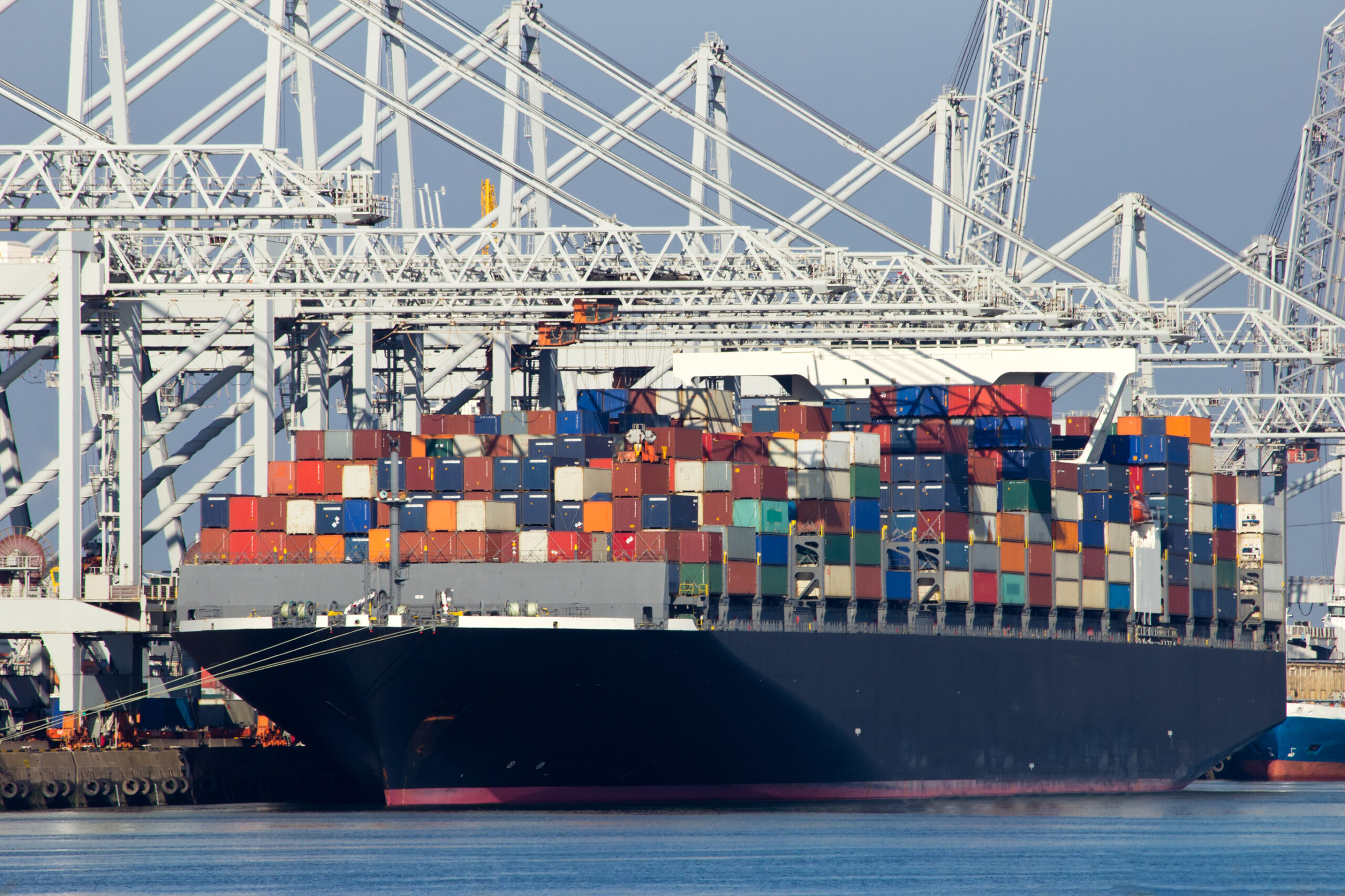
Ports occupy a central position in the European economy. Ports facilitate around 74% of external trade, handling more than 3.4 billion tonnes of goods and nearly 395 million passengers each year.
The EU Industrial Maritime Strategy and Ports Strategy, published by the European Commission on March 4, explicitly recognises their strategic role.
The first pillar of the European strategy aims to further strengthen maritime security legislation to prevent drug trafficking, effectively address emerging threats and enhance EU supply chain security.
Therefore, the European Commission will propose frameworks for conducting port workers’ background checks and for assessing third-country ports.
A new forum will be established to facilitate the exchange of best practices among member state cybersecurity and port authorities.
Furthermore, an EU-wide security risk assessment will be carried out to identify the most pressing cybersecurity risks and measures to mitigate them.
To advance EU ports’ clean energy transition, the strategy presents measures promoting electrification and improved grid connection. It will also set out a roadmap for competitive small and medium-sized ports.
On the other hand, the EU Industrial Maritime Strategy will strengthen Europe’s maritime by a number of actions including launching an EU Industrial Maritime Value Chains Alliance. It is aimed at advancing high-tech shipbuilding, offshore wind support vessels, underwater drones, and cutting-edge port equipment.
A ‘Shipyards of the Future’ R&I flagship call, under Horizon Europe, will also support the testing of innovative solutions in real-world shipyard environments, with the goal of scaling successful technologies across Europe.
As informed, the Commission will establish a dialogue with member states to promote EU flags and streamline administrative formalities, including the monitoring, reporting and verification framework for EU ETS Maritime and FuelEU Maritime.
“Already, €200m has been mobilised to upgrade customs scanning, container inspection and risk-analysis tools at major EU ports. Now we need to extend this to include smaller ports as well,” said Magnus Brunner, commissioner for internal affairs and migration.
From his side, commissioner for sustainable transport and tourism Apostolos Tzitzikostas, added: “With our EU Ports and Industrial Maritime Strategies, we are equipping Europe’s ports, shipping and shipbuilding sectors to lead the clean energy transition, secure trade and defence, and remain globally competitive.”