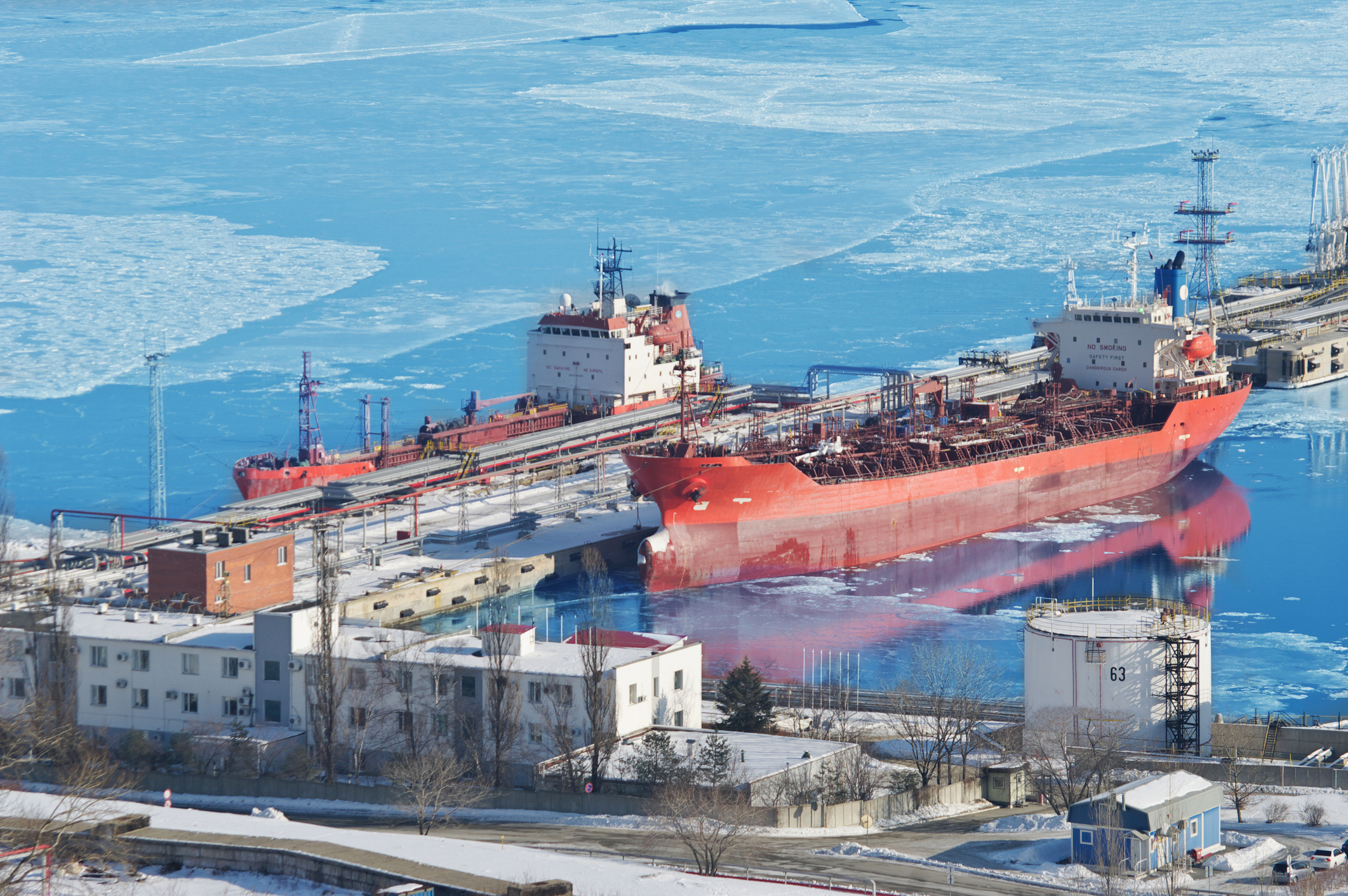
In its ambition to protect Ukraine and itself from Russia, the EU has one toolbox at its disposal: economic warfare. A transport ban on Russian oil implemented by the EU would serve the purpose of its economic warfare, according to maritime analysts.
In practice, under such a transport ban, a European coalition of countries would ban any tanker carrying Russian oil from entering European ports and using European services, either permanently or at least for as long as the ban is in place.
Last week news broke that the G7 group of countries were considering removing the oil price cap, which was first implemented at the end of 2022 following Russia’s invasion of Ukraine. The removal of the cap would see a full and unconditional ban on G7/EU companies providing maritime services to support Russian oil trade, in effect pushing Russian business entirely to the shadow fleet.
Whether this is bullish or bearish for tankers depends on a number of key factors, according to Gibson Shipbrokers.
Even without US involvement, a full maritime services ban could force almost all mainstream tanker owners from the Russian market.
The timing of the implementation is also a key parameter. It is understood that the measures could form part of the EU’s 20th sanctions package due early in 2026. What is not clear, is how long the phase out period might be.
If the implementation period this time is equally short, then it may be tough for Russia to adjust supply chains in time. However, if a longer wind down period is given, then Russia will have time to expand its fleet.
Overall, the measures are likely to shrink the addressable market for tanker owners who choose not to trade sanctioned cargoes.
“If a full maritime services ban is implemented, what might the impact be? Given the ban would force mainstream tanker owners to completely withdraw from Russian trade, one could argue that benchmark tanker rates could come under pressure given it would theoretically increase the number of tankers available for conventional trade. However, much would depend on how the buyers of Russian oil react,” Gibson highlights.
The European Commission (EC) said Monday that it will propose a ban on purchases of Russian oil by EU countries in early 2026.
“Early next year we will put forward a legislative proposal to ban the remaining oil,” European Commissioner for Energy and Housing Dan Jorgensen told reporters on December 15 in Brussels.
Jorgensen admitted that the European Union currently “imports more gas than oil” from Russia, though the EC “wants to get completely rid of its import of Russian energy, but that will happen early next year.”