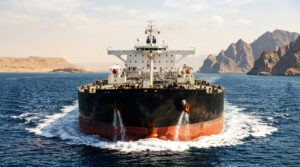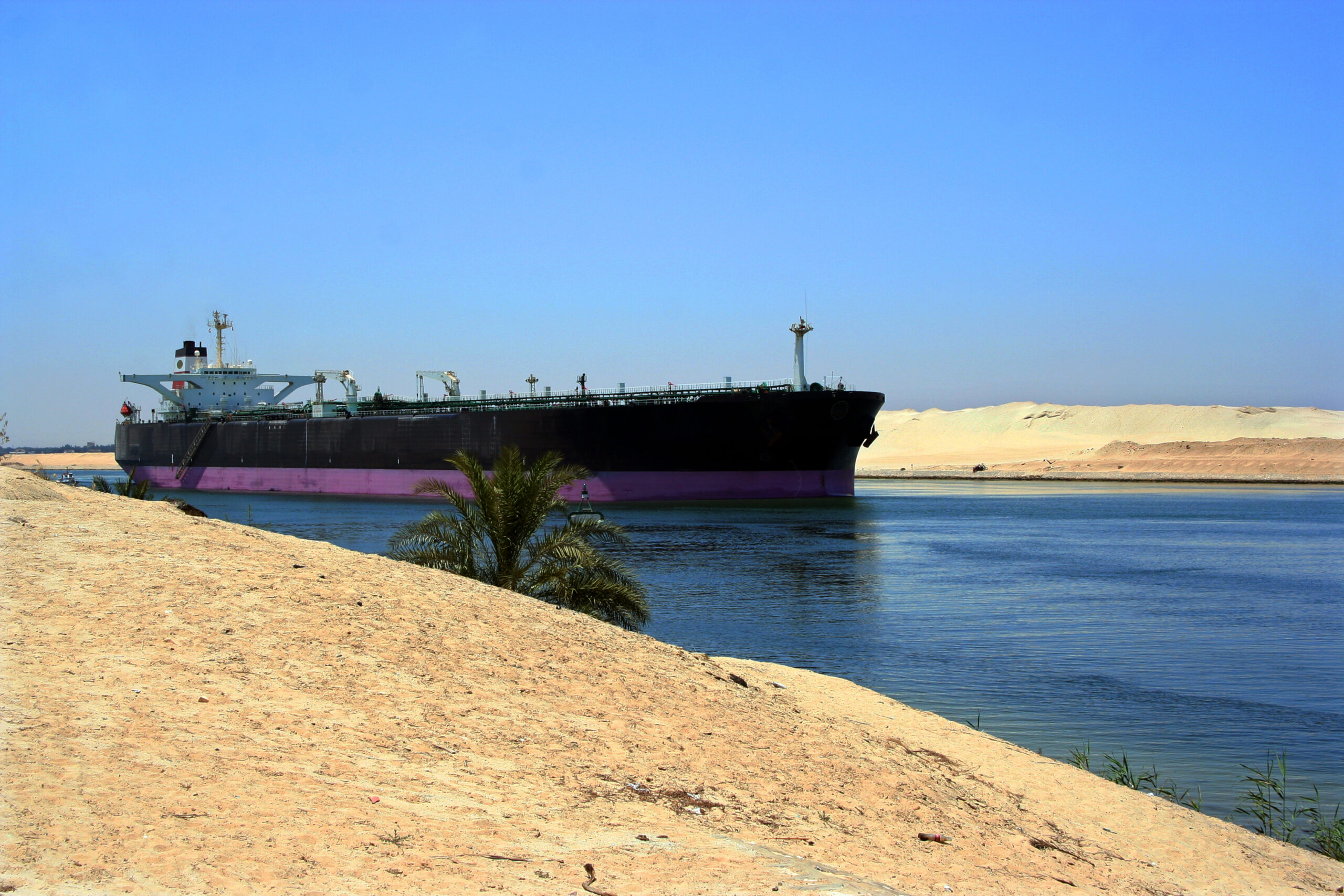
Yemen’s Iran-aligned Houthis claimed Wednesday that it struck a Saudi chemical/oil products tanker with several ballistic missiles in the northern Red Sea off the coast of Yanbu.
In a televised statement, the spokesman of the Yemeni Armed Forces Yahya Saree stated that the operation struck the Saudi oil tanker Wafa off the coast of Yanbu, though he did not say when the attack had occurred or provide evidence.
The Houthi military spokesman said the strike was executed “with a number of ballistic missiles, and the strike was precise.”
He described the attack as part of the group’s maritime blockade on Saudi Arabia and its “blockade for blockade” strategy.
There was no immediate comment from Saudi authorities on the claim.
The Houthis declared a maritime navigation ban on Saudi Arabia last month, a move that opens a new front against the United States in its war on Iran and widens the threat to global energy supplies and trade beyond the Gulf.
Security services specialist in maritime Ambrey assessed “Saudi Arabia-flagged/-owned/-operated vessels, vessels enroute to or from Saudi Arabia, and Saudi Arabia’s Red Sea ports to constitute a strong affiliation with the Houthi target profile and therefore be at high risk of Houthi attack.”
The Houthis warned that any further escalation by Saudi Arabia would be met with a broader response, saying their forces were prepared for “all options.”
Houthis say 8 Saudi oil tankers targeted since July 22
The latest development comes amid heightened tensions. In a statement, military spokesman Saree claimed on Wednesday to have attacked eight ships linked to Saudi Arabia since the blockade.
“With this latest attack, the total number of Saudi oil tankers targeted by our forces since the start of the maritime blockade on July 22ndhas reached eight,” he said.
He also claimed that the total number of Saudi oil tankers prevented from proceeding and forced to turn back in the Red and Arabian Seas has reached 29.
Attacks would intensify: Houthis warn
Saree vowed that the Houthis would intensify attacks on Saudi oil tankers in the area to close maritime access routes and prevent their passage, “regardless of the consequences.”
The spokesperson further explained that following successful efforts to tighten the naval blockade around the Bab al-Mandab in the southern Red Sea, Saudi Arabia moved to divert the route of its oil tankers toward the northern Red Sea.
In response to these rerouting measures, Saree issued a firm warning regarding future operations, stating that the “Yemeni Armed Forces emphasise that their operations will continue and escalate in targeting Saudi oil tankers in the northern Red Sea to close all access points and prevent their passage, thus establishing a blockade-for-blockade equation, regardless of the consequences.”
Saudi Arabia+13 maritime defense alliance for Bab al-Mandab, Red Sea, Gulf of Aden
Saudi Arabia and 13 other countries announced recently the creation of a multinational maritime defense alliance aimed at safeguarding freedom of navigation, international trade and energy supply routes in the Bab al-Mandab Strait, the Red Sea and the Gulf of Aden.
The representatives of 43 countries – out of 51 countries and organizations that were invited – participated in the meeting for the establishment of the alliance. A European Union delegation was also included.
The initiative is based on the firm conviction that the security of international sea lanes is a collective responsibility requiring an effective and sustainable international partnership.
As an outcome of the meeting, 14 participating countries issued a joint declaration expressing support for the multinational maritime defense alliance and welcoming the consensus reached on its foundational arrangements.
The current signatories are Saudi Arabia, Kuwait, Bahrain, Qatar, Pakistan, Türkiye, Egypt, Jordan, Yemen, Bangladesh, Nigeria, Sudan, Djibouti, and Somalia.
Other countries participating in the meeting also expressed support for the initiative and are in the process of completing their internal national procedures and approvals to join the joint declaration.