KSE Institute has released a new analytical report titled, Pressuring Russia to Peace with a Maritime Services Ban, examining how a comprehensive ban on maritime services for Russian oil exports could significantly weaken Russia’s war-financing capacity.
For the first time since the start of the full-scale invasion, Russia is facing sustained pressure from both low oil prices and tighter sanctions. This creates a strategic window for the EU and its partners to increase economic pressure, KSE Institute said, and push the Kremlin toward serious negotiations.
A maritime services ban would prohibit the provision of all services connected with the seaborne export of Russian oil. The European Commission has proposed to include such a ban in the EU’s 20th sanctions package, which is expected to be adopted in time for the 4th anniversary of the full-scale invasion of Ukraine (February 24, 2026).
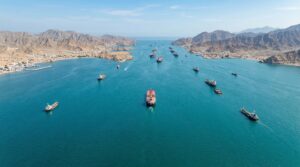
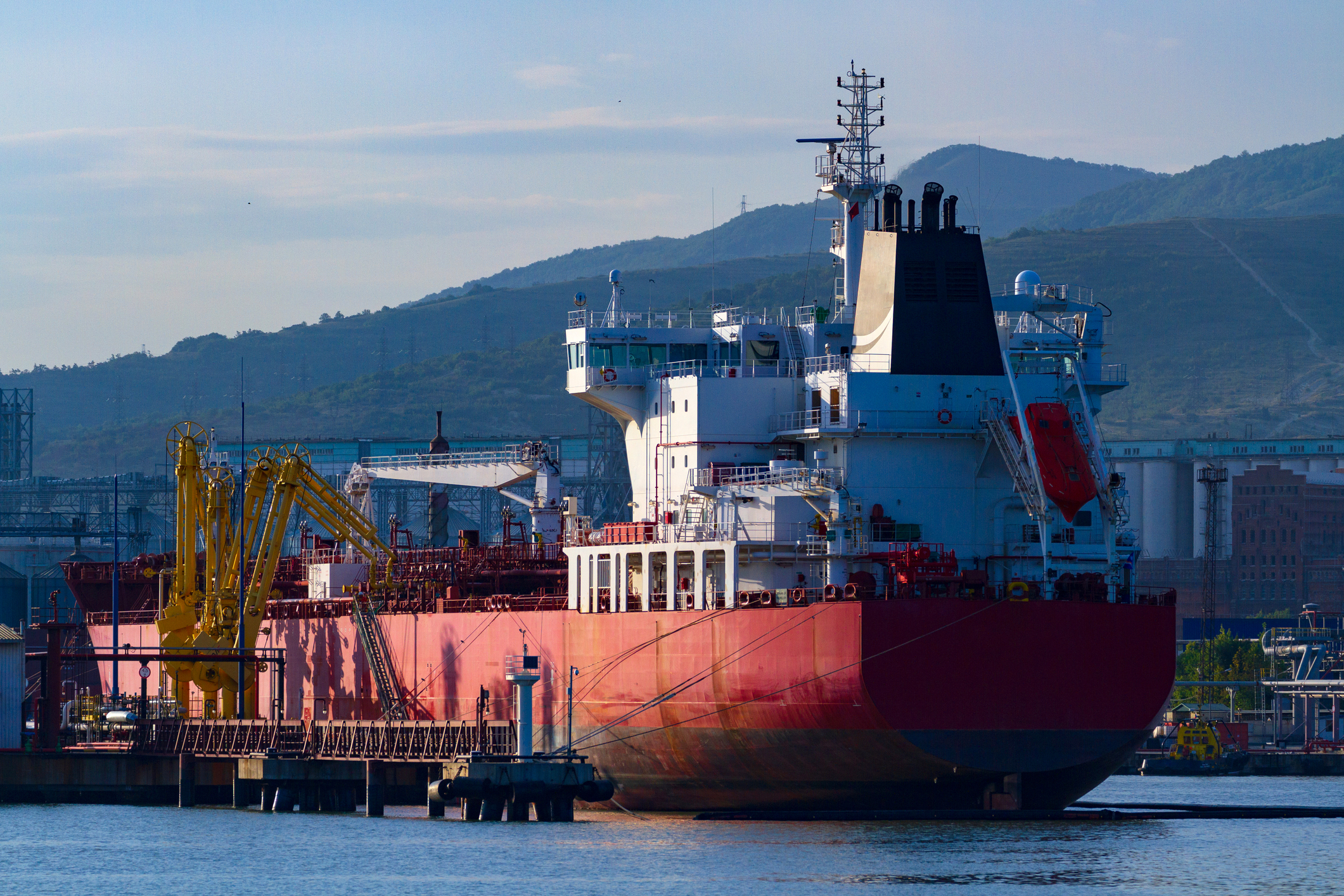
In the case of a full maritime services ban, Russia would need to add 64 crude oil tankers and 440 oil product ones to the “shadow fleet.”
KSE Institute, an analytical center at the Kyiv School of Economics, estimates that the acquisition of mainstream tankers currently owned by G7+ entities and the replacement of other involved G7+ services – management, flagging, insurance – would cost up to ~$10 bn.
However, it is more likely that Russia would employ non-G7+ ships currently involved with non-Russian cargoes to replace the mainstream fleet, while G7+ ships would take over those routes in Asia and the Middle East.
Limitations of the Oil Price Cap
The analysis highlights that the oil price cap, introduced to limit Russian revenues while maintaining global supply, has failed to deliver lasting results. Although it temporarily widened discounts in early 2023, weak enforcement allowed widespread circumvention through falsified pricing information. As a result, Russian oil revenues continued to flow and finance the war.
A Stronger Alternative: Maritime Services Ban
In response, KSE Institute supports replacing the price cap with a simpler and more enforceable measure: a ban on maritime services provided by EU companies for transporting Russian oil.
The report endorses the European Commission’s proposal to introduce such a ban as part of the EU’s 20th sanctions package but argues that it should apply to all Russian oil exports – not only crude -and be adopted by all G7+ partners.
The analysis assumes that the maritime services ban (MSB) should not take effect later than July 1, 2026. In the baseline scenario, KSE Institute says a maritime services ban would:
• Reduce Russian oil export volumes by 1.4 million barrels per day in the second half of 2026 (-18% vs. 2025) and by 0.8 million barrels per day in 2027 (-11%);
• Deepen discounts on Russian oil and increase shipping costs;
• Cut cumulative export earnings by approximately $46bln over 18 months;
• Reduce oil and gas budget revenues by around $23bln over this period.
Key Implementation Challenges
The report stresses that the effectiveness of a maritime services ban will depend on careful implementation and coordinated enforcement.
Addressing the Shadow Fleet
A service ban will inevitably incentivize Russia to expand its shadow fleet, increasing the number of aging and poorly insured vessels transiting the Baltic, Black, and North Seas. Without decisive action, this would pose growing economic, environmental, and security risks.
KSE Institute therefore recommends:
• Expanding vessel listings across G7+ jurisdictions;
• Targeting networks in non-coalition countries that support sanctioned ships;
• Enforcing international maritime law, including detaining vessels operating without valid flags.
Alignment Within the G7+ Coalition
Close coordination among G7+ partners is essential, given the continued role of UK and US insurers in covering mainstream tankers. Key providers include major British and American protection and indemnity clubs. Recent experience with the oil price cap has shown that regulatory misalignment weakens enforcement. Without common standards, vessels could shift to alternative insurers to evade restrictions.
Impact on Legitimate Shipping
The report argues that an effectively enforced ban would ultimately benefit legitimate shipping. The rapid growth of the shadow fleet undermines compliant operators and creates serious environmental risks. Moreover, Russian oil is not indispensable for most G7+ companies, which have repeatedly exited the trade when compliance risks increased.