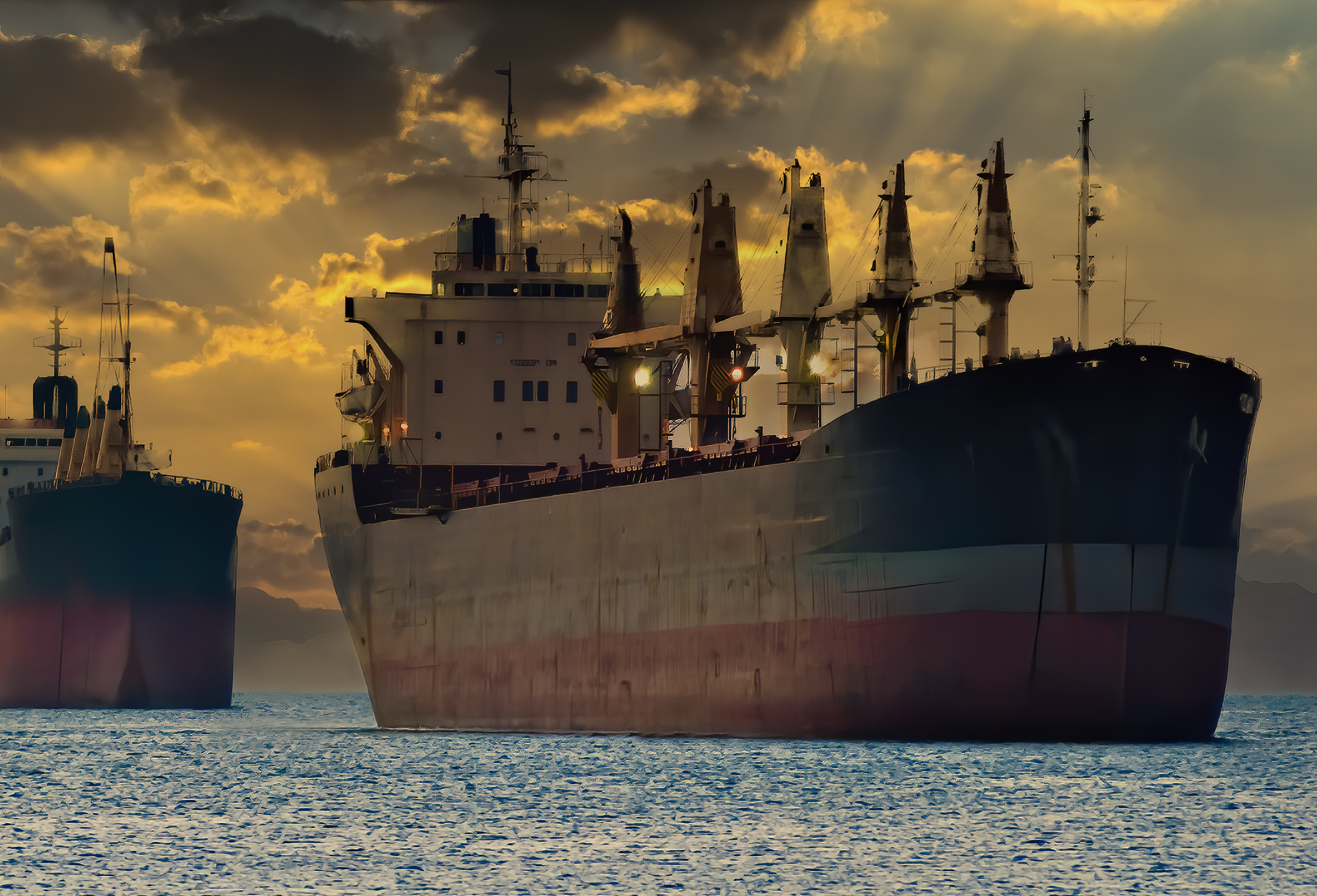
Some 20,000 seafarers remain stranded on ships in the Strait of Hormuz as the war in the Middle East continues, a situation which has been described as unprecedented in the post-Second World War era. Seafarers stuck near the Strait of Hormuz are short on supplies and experiencing high levels of anxiety.
International Transport Workers’ Federation (ITF) General Secretary, Stephen Cotton, tells BBC News why governments must do more to protect them. “It’s quite clear that as we kind of enter the second month, the stress levels are quite high. Some ships are having challenges with supplies: food, water. But I think it’s clear to us in the communications we’re getting, there’s a high level of anxiety. The ships are at anchor.”
“The reality is, we’ve been taking to the Gulf states’ governments. They are very keen to ensure that the seafarers don’t suffer any hardship. So, they basically have set up a network together with us, the International Chamber of Shipping and the employers to be able to highlight the problems, make sure they’ve got food, make sure they’ve got water,” Cotton explained. “Obviously for those that have to take prescription drugs, we need to make sure they’re available. We’re also talking to the governments of the labour supply countries, two of the biggest nations, the Philippines government and the Indian government, to protect their citizens.”
Iran borders the strait on its northern side and has said it will only allow passage to “non-hostile” ships.
Since the beginning of the conflict a month ago, there have been 19 attacks on vessels in the strait, according to the UN’s International Maritime Organization (IMO) in London.
Ten seafarers have been killed and eight injured since the US-Israeli bombing of Iran began, sparking Iranian strikes across the Gulf.
Tehran attacked and set ablaze a Kuwait-flagged crude oil tanker off Dubai on Tuesday, despite a threat by US president Donald Trump that the US will obliterate Iran’s energy plants if it does not agree to a peace deal and open the Strait of Hormuz.
It remains unclear why those 19 ships were specifically targeted.
The IMO, which is a specialized agency of the United Nations responsible for measures to improve the safety and security of international shipping, is focused on ensuring the evacuation and safety of the 20,000 seafarers.
“There is no precedent for the stranding of so many seafarers in the modern age,” said Damien Chevallier, director of the organization’s maritime safety division.
“IMO has called on all parties to the conflict to deescalate the attacks so that the seafarers can be evacuated to safety.”
“They have been working in an active war zone for a month,” said Mr. Chevallier. “It is a very scary situation and one can only imagine the psychological stress they are under.”
The 2,000 vessels in the Persian Gulf are being resupplied with food, water and fuel by companies operating out of Saudi Arabia and Oman. The Saudi authorities have worked with IMO to provide information to the industry about how to contact those resupply companies.
As the IMO continues to engage with a range of interlocutors towards the evacuation of seafarers, the IMO’s Damien Chevallier said that the organization has asked Iran “for clarification of what constitutes a ‘hostile’ ship and one which could thus be under the threat of attack,” if it passed through the Strait of Hormuz.
IMO’s short-term aim is to secure the safety of all the crew currently stuck in the Persian Gulf, but there are longer-term concerns about the future of seafaring.
“If seafarers do not feel safe due to conflicts like the one which is taking place now, then it will be difficult to attract the next generation to meet what are expanding needs,” Mr. Chevallier explained.
“Without seafarers there can be no global trade which the world’s economies depend on.”
Seafarers stuck near the Strait of Hormuz are short on supplies and experiencing high levels of anxiety.
— International Transport Workers' Federation (ITF) (@ITFglobalunion) April 1, 2026
Governments must do more to protect them. pic.twitter.com/vuJke1INn7