Norway does not intend to participate in military operations related to the ongoing conflict in the Middle East. Making a visit to the Norwegian Shipowners’ Association in Oslo on Tuesday, prime minister Jonas Gahr Støre ruled out Norwegian military involvement in the Middle East conflict.
Støre stated, “We have been asked, and it has been raised from the American side, to contribute military capacity to the Gulf. Our response is that Norway will not do that for two main reasons.
“One is that our military capacity has to be used here, in our close waters up in the North. We have a major military exercise ongoing, and that’s where we have to be present.
“The other thing is that we don’t have the capabilities of fighting that kind of war. Again, it doesn’t have a mandate, and this is not about, as we have done in the Red Sea, escorting ships. I saw that the President of the U.S. appealed to Nato, at the same time to Japan and China, not members of Nato, I would say, but this is how our response is.”
Støre emphasized the importance of ending the conflict and urged the parties to come to the negotiating table.
He stressed that, “The hostilities have to find a way to stop. There need to be a return to some kind of negotiations. The challenge right now is that seeing negotiations between the parties involved directly is very hard to conceive for different reasons, so there need to be some kind of third factor. Some kind of actors who come in, it should normally have been United Nations or regional actors, but this is what we have to hope for.”
He also called the threats against civilian ships “unacceptable” and urged Iran to stop attacks against third countries.
The prime minister said the war is without a mandate from the United Nations, European Union or Nato: “It is a war which has happened without consultation with close allies and partners. That is a fact.”
Støre’s pessimistic outlook is reflected in his speech at the Norwegian Shipowners’ Association about the war’s potential to escalate and the need for a negotiation to prevent further conflict. “What my fear is that we are going to see escalation, because this is not a war fought by one country. There are two countries, Israel and the U.S., and they don’t seem to have identical objectives about strategy and how it evolves,” he said.
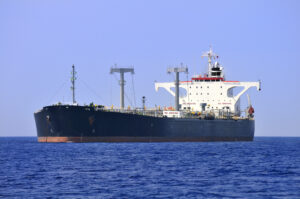
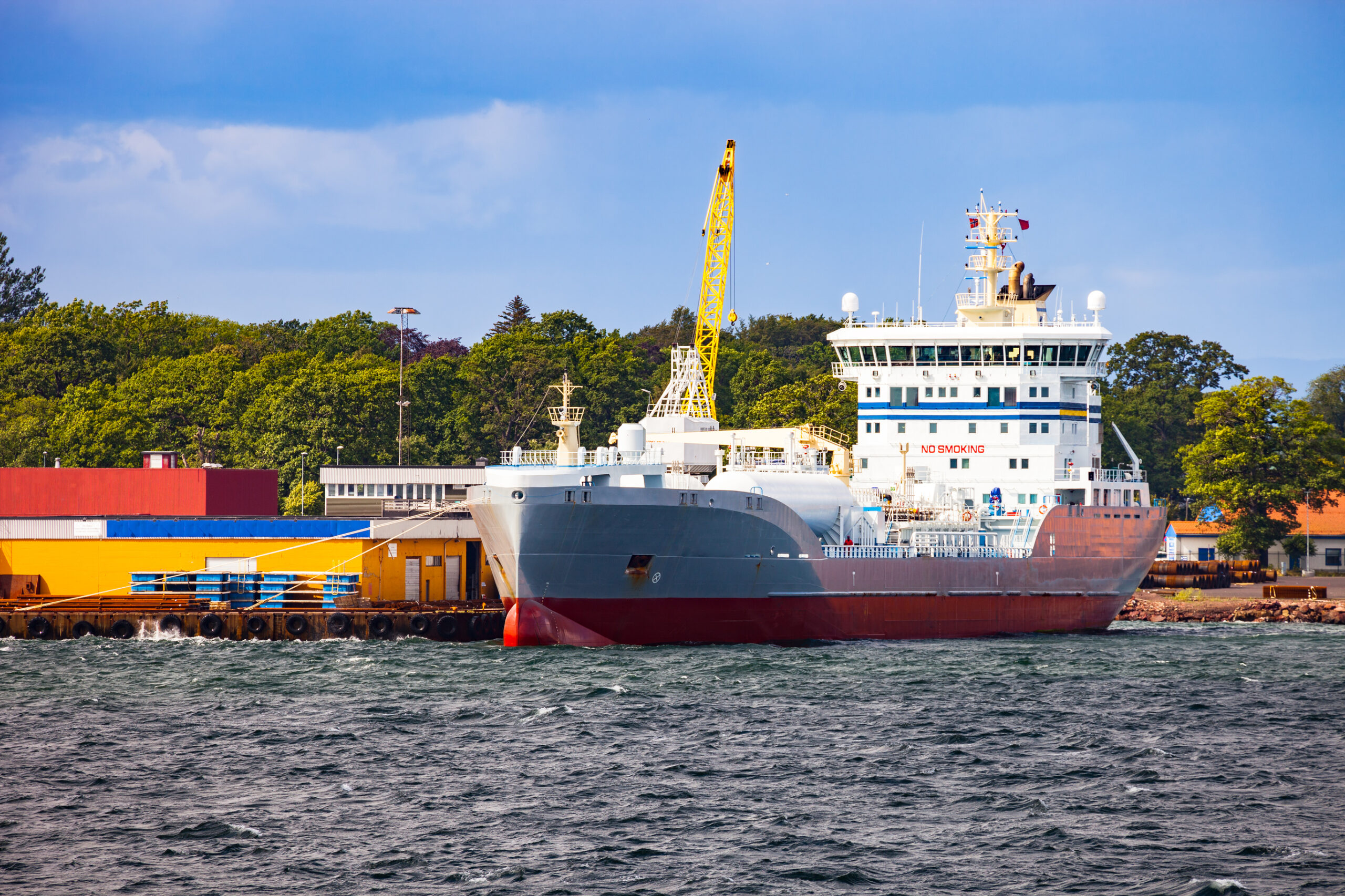
The conflict has significantly disrupted oil shipments through the Strait of Hormuz, a critical maritime passage for global oil transportation. Approximately one-fifth of the world’s oil supply is transported via this route.
“Of course, one fifth of global oil is transcrossing out there. You may have ships on the one side and on the other side of the Strait of Hormuz. And that closure, which is not completely closed, because Iran is letting some ships sail by, it’s another complex situation. It is of course a major challenge for you, and it is an unacceptable situation,” Støre told the Norwegian shipowners, adding that, “the Iranian counter attack is also a big challenge to international law and safety at sea, and there’s a risk of further escalation with regional and global consequences.”
“You are in fact more important than in decades. And more exposed than before,” the prime minister emphasized in his speech.