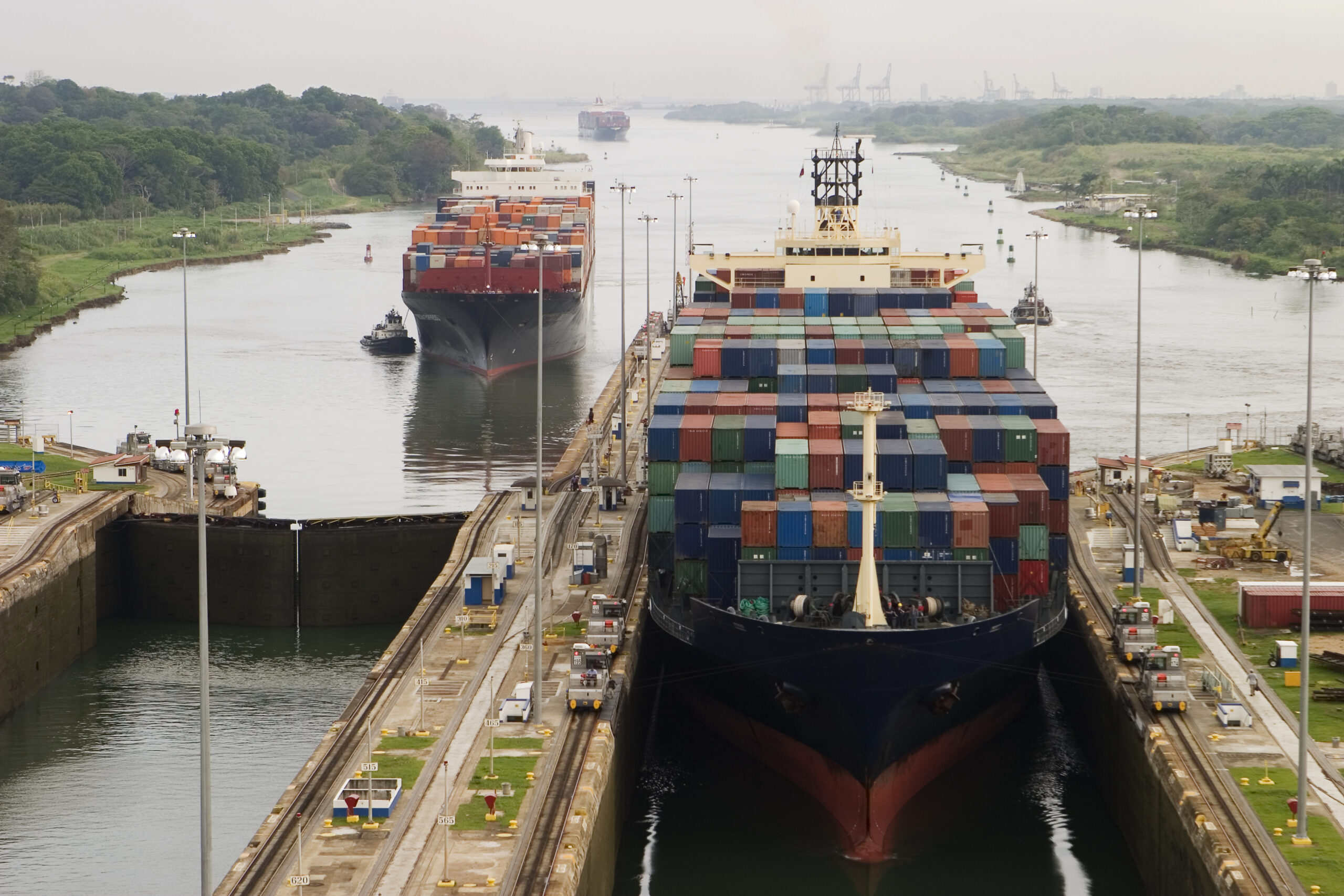
The Panama Canal reported growth in both vessel transits and tonnage in fiscal year 2026, a period running from October 2025 through September 2026.
According to the authority, the figures highlight the waterway’s capacity to accommodate global maritime trade demand while adjusting to El Niño’s effects.
The waterway handled 13,951 transits during the fiscal year ended September 2026, up 4.1% from 13,404 the previous year. Energy shipping segments and strong containership performance drove the growth.
Tonnage climbed to 521 million Panama Canal Universal Measurement System (PC/UMS) tons, an increase of 6.5% from 489.2 million tons the previous fiscal year.
Ships transiting the canal’s Neopanamax locks accounted for 52.2% of total tonnage, with tonnage through these locks rising 8.2% year over year. The authority said this signals an expanding proportion of larger-capacity vessels utilizing the waterway.
A maximum draft of 50 feet was maintained throughout the dry season, which the authority said delivered favorable operating conditions for customers.
Total revenue for FY2026 reached B/. 6.6 billion, an increase of 16.6% over the previous fiscal year.
The authority characterized the unaudited figures as evidence of financial discipline and said they will support investment in strategic projects.
“Far from restricting trade flows, the Panama Canal facilitates international maritime trade by providing its customers with a reliable and safe route,” Panama Canal Administrator Ilya Espino de Marotta said during a call hosted by Bank of America Merrill Lynch.
Citing effective water conservation measures and recent watershed rainfall approaching average levels, the canal authority announced via an Advisory to Shipping the immediate reinstatement of its Last-Minute Reservation service for vessels using the Panamax locks.
The service gives vessels without a reservation an extra opportunity to secure a transit slot when one becomes available and the canal, at its discretion, chooses to offer it.