Gas infrastructure facilities in Ukraine came under attack by drones on December 1-2; damage has been recorded, and company specialists are prepared to begin repairs immediately.
Russia has once again attacked Ukraine’s gas infrastructure, causing damage, according to Ukraine’s largest oil and gas company Naftogaz, which is fully owned by the state of Ukraine.
“At night of 1 December 2025 and the next morning of 2 December 2025, Russian drones attacked the civilian gas infrastructure facilities supplying gas to Ukrainians,” the statement reads.
According to a statement on the company’s website, no employees were injured, although damage has been recorded.
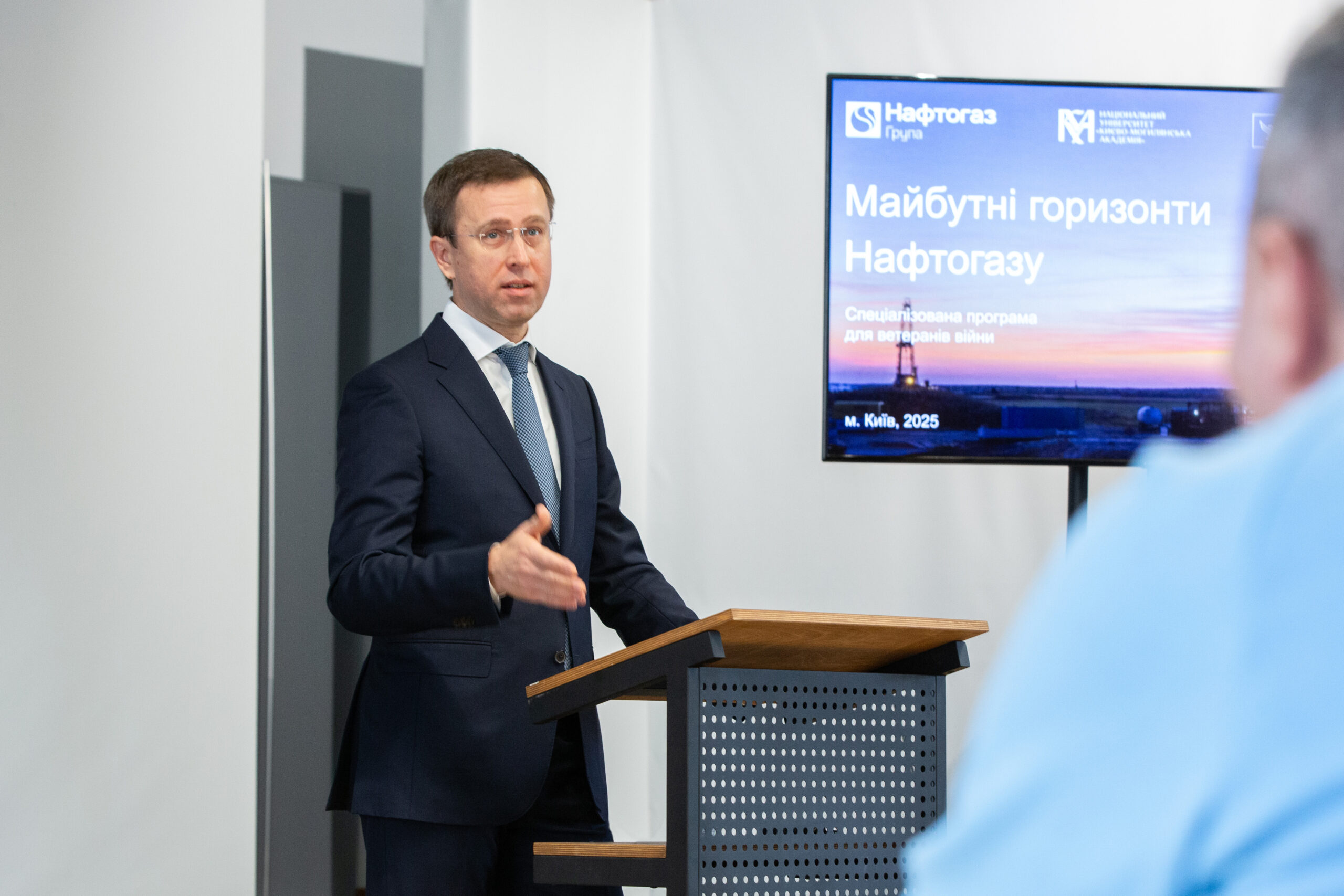
“The company’s operational services and specialists have been working to eliminate the consequences of the attack. Immediately after receiving permission from the State Emergency Service of Ukraine, Naftogaz’s teams will begin restoration works,” said Naftogaz’s chief executive officer Sergii Koretskyi.
The company noted that during October-November, there were nine massive Russian attacks on Ukraine’s civilian gas infrastructure.
Türkiye has maintained involvement in peace negotiations between Moscow and Kyiv throughout the conflict, which is approaching its fourth year.
The Turkish president Recep Tayyip Erdogan said his government closely follows recent diplomatic efforts aimed at ending hostilities and stands prepared to contribute whenever opportunities arise.
The Turkish leader emphasized that Ankara is actively communicating with relevant parties to prevent further deterioration of security conditions in the Black Sea. The waterway serves as a critical transit route for energy exports and commercial shipping connecting the region to global markets.
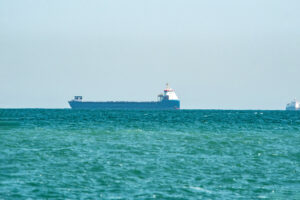
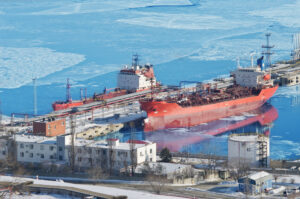
Türkiye’s foreign ministry also voiced concern over the attacks carried out on November 28 against two tankers in the Black Sea.
The ministry condemned the attacks on the Kairos and Virat tankers, stating they posed serious risks to navigation, life, property and environmental safety throughout the region.
Ukrainian officials defended the operation as retaliation against aggressors, emphasizing the country holds no hostile intent toward third parties. However, the incident has raised concerns among regional powers about the war’s expanding geographic footprint in the Black Sea basin.
Erdogan expressed heightened concern over the deteriorating security environment in the Black Sea as the Russia-Ukraine war intensifies. He pointed to a recent attack on two tankers in Turkey’s exclusive economic zone and called the incident a “worrying escalation” in the Russia-Ukraine war that threatens navigational safety in the Black Sea.
Erdogan emphasized that the ongoing conflict between Russia and Ukraine has put navigational safety in the Black Sea at risk.
He highlighted the issue given the targeting of vessels within Turkey’s exclusive economic zone, noting that Ankara has issued the necessary warnings to all parties involved. Safeguarding maritime routes in the Black Sea, he said, remains essential for regional stability, trade, and broader security.
Kazakhstan separately voiced its protest after the attack on the Caspian Pipeline Consortium in the waters of the Port of Novorossiysk.
Kazakhstan ministry of foreign affairs urged Ukraine to halt attacks on the Caspian Pipeline Consortium, calling it the third series of attacks on what it described as “an exclusively civilian facility whose operation is safeguarded by norms of international law.”