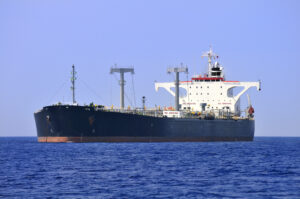
Iranian oil tankers continue passing through the Strait of Hormuz to maintain global oil supply, US Treasury Secretary Scott Bessent said on Monday (March 16) in an interview with CNBC.
“The Iranian ships have been getting out already, and we’ve let that happen to supply the rest of the world,” Bessent told CNBC’s Brian Sullivan in a “Squawk Box” interview.
Despite tensions and the presence of the U.S. Navy in the region, Iran has continued to export oil through the passage.
“We think that there will be a natural opening that the Iranians are letting out, and for now we’re fine with that. We want the world to be well supplied,” Bessent said.
He added that tankers delivering oil to India have already moved through the Strait, and US officials believe some Chinese vessels are also leaving the Gulf.
“We see Indian ships go out now. We believe Chinese ships have also gone out,” the US Treasury Secretary told the reporter.
India is in touch with Iranian authorities to arrange the safe passage of almost 22 Indian-flagged merchant vessels through the Strait of Hormuz, which has effectively been closed by the Iranian forces because of the conflict with Israel and the US.
Rajesh Kumar Sinha, special secretary, ministry of ports, shipping & waterways, told Monday in a briefing that Indian authorities are closely monitoring 22 Indian-flagged vessels with Indian seafarers currently located to the west of the Strait of Hormuz.
These ships have 611 Indian seafarers onboard, and the government remains in constant communication with each vessel and its crew.
US President Trump on Saturday announced that “many countries” will send war ships to patrol the Strait of Hormuz amid the ongoing conflict with Iran.
“Many countries, especially those who are affected by Iran’s attempted closure of the Hormuz Strait, will be sending war ships, in conjunction with the United States of America, to keep the Strait open and safe,” Trump wrote on Truth Social. “We have already destroyed 100% of Iran’s military capability, but it’s easy for them to send a drone or two, drop a mine, or deliver a close range missile somewhere along, or in, this waterway, no matter how badly defeated they are.”
He added that “hopefully China, France, Japan, South Korea, the UK, and others, that are affected by this artificial constraint, will send ships to the area so that the Hormuz Strait will no longer be a threat by a nation that has been totally decapitated.”
The movement of tankers through the Strait of Hormuz has dropped sharply in recent days, as Iran has been carrying out attacks against commercial vessels in the Persian Gulf.
In remarks on March 15, Iranian Foreign Minister Abbas Araghchi stated that the “US security umbrella has proven to be full of holes and inviting rather than deterring trouble. US is now begging others, even China, to help it make Hormuz safe.”
Commercial transit through the Strait of Hormuz fell to a new low, Maritime AI™ company Windward warned, with no AIS-confirmed vessel crossings recorded in either direction. The development marks the first visible halt in commercial shipping through the chokepoint since hostilities began.
Windward confirmed that four cargo vessels crossed or were crossing the Strait overnight on March 13, including one Pakistani vessel, while three additional vessels were also observed transiting.