Sanctions on Russian oil have not been lifted “in any way whatsoever,” UK’s prime minister Keir Starmer insisted amid a heated debate in the House of Commons.
Keir Starmer said the “strong new package” of sanctions which were unveiled earlier this week go “well beyond” existing measures.
A general trade licence which allows imports into the country of diesel and jet fuel processed in third countries from Russian crude oil came into effect on Wednesday.
The trade licence is of “indefinite duration,” according to the UK’s Department for Business and Trade, and shall be periodically reviewed by the Secretary of State.
The license takes effect on May 20, but it can be revoked or suspended at any time.
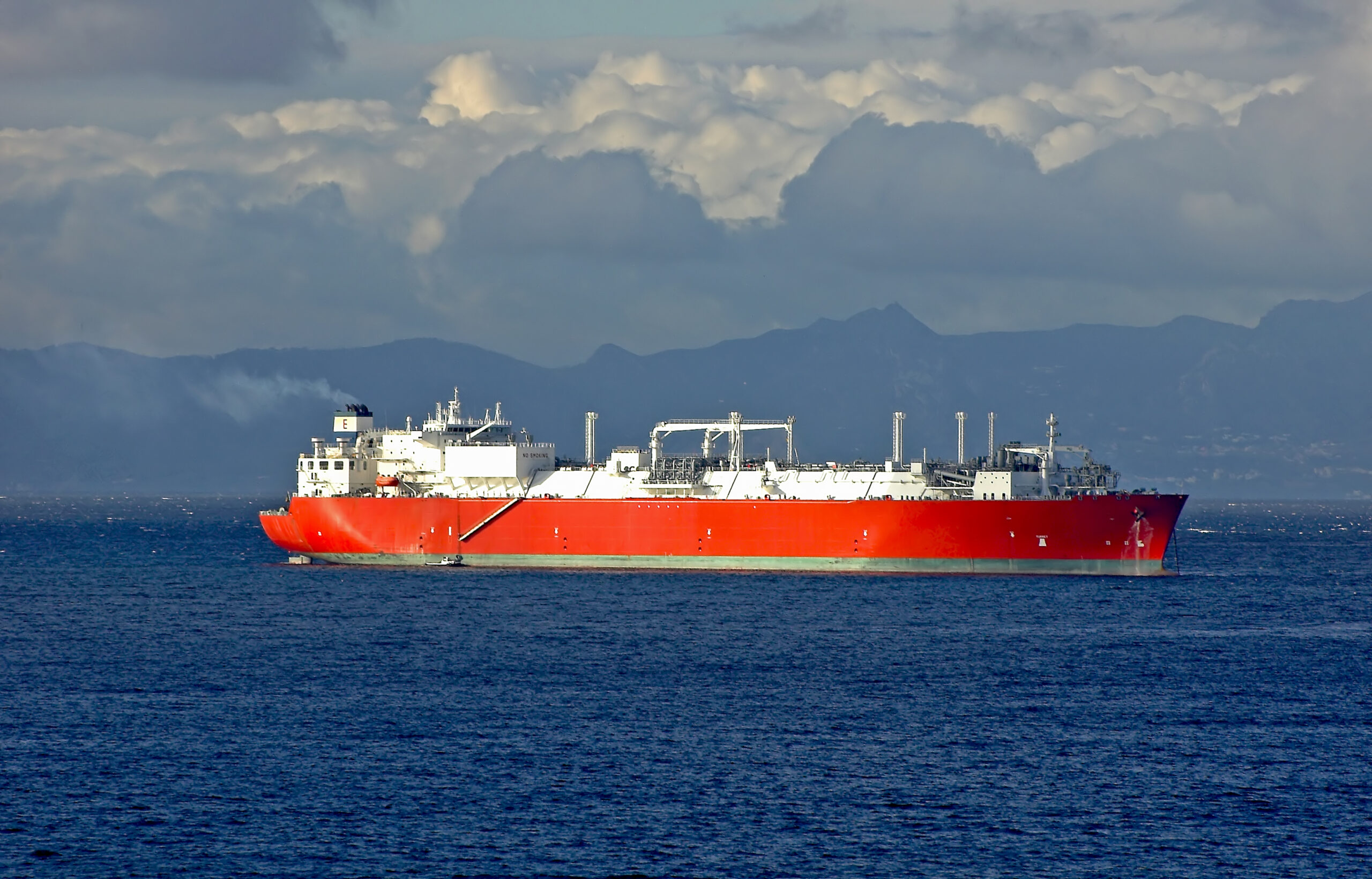
Separately on May 19, the U.K. issued a general trade license covering the maritime transport of Russian LNG. It has been issued on May 19, 2026, and expires on January 1, 2027. The Secretary of State may vary, revoke or suspend this licence at any time, UK’s Department for Business and Trade said in a statement. This licence came into effect on May 20, 2026. It authorises the maritime transportation of liquefied natural gas and ancillary services relating to the transportation of LNG, subject to the conditions in the general licence.
Confronted by heavy criticism in the House of Commons about the decision on Wednesday, Starmer insisted the change amounted to “two targeted short-term licences to phase the new sanctions in and to protect UK consumers.”
During a fiery Prime Minister’s Questions (PMQs) Starmer said: “Let me address the sanctions head-on, because we have been united across this House on these issues since the beginning of the conflict.
“What we announced yesterday was a strong new package of new sanctions going well beyond existing sanctions, so it is a new package. This includes new bans on maritime services on LNG and new bans on refined oil products from Russia.
“We also issued two targeted short-term licences to phase the new sanctions in and to protect UK consumers. That is standard practice.
“This Government has phased in sanctions in this way before and the last government used exactly the same technique when they introduced sanctions. And when they did so, we supported them, because we could see the sanctions were the right thing to do to bear down on Russia.
“So, these are new sanctions being phased in. This is not a question of lifting existing sanctions in any way whatsoever, and we will continue to work with our allies on further sanction packages.”
The licenses reflect a deepening global energy crisis, with the closure of the Strait of Hormuz putting supply lines in a chokehold.
Previously, the U.S. issued a Russia-related general license authorizing the delivery and sale of crude oil and petroleum products of Russian origin loaded on vessels as of April 17. The authorization remains valid through 12:01 a.m. eastern daylight time on June 17, 2026.
The policy has been criticised by many US allies who say it helps the government of Russian President Vladimir Putin and his full-scale invasion of Ukraine, which has been ongoing since 2022.
The latest moves come on the same day that the Group of Seven (G7) published a statement reaffirming its commitment to put pressure on Russia, including sanctions on the energy sector and “actions against entities in third countries that materially support Russia’s war effort.”
The G7 Finance Ministers and Central Bank Governors, met on 18 and 19 May 2026 in Paris, France.
Following their meeting, the G7 Finance Ministers and Central Bank Governors said: “We will continue to consider additional pressure on key sectors of Russia’s economy – such as energy, finance, and its military-industrial base – through coordinated economic and financial measures and addressing circumvention. This includes through action against entities in third countries that materially support Russia’s war effort. We remain committed to restricting Russia’s access to critical technologies and revenues. We welcome the Oil Price Cap Coalition’s continued study of the energy market conditions to help inform future policy considerations for the oil price cap and potential measures on maritime services.”
The UK has been one of Ukraine’s leading partners since the start of Russia’s full-scale invasion in 2022 and has led international efforts to put economic pressure on Russia.
The move was widely reported as an easing of sanctions which critics fear will be a major boost to Russian president Vladimir Putin, but Starmer insisted that this is not a question of lifting existing sanctions in any way whatsoever.
He later added that to “misunderstand and misrepresent what is happening, this is a very serious issue.”