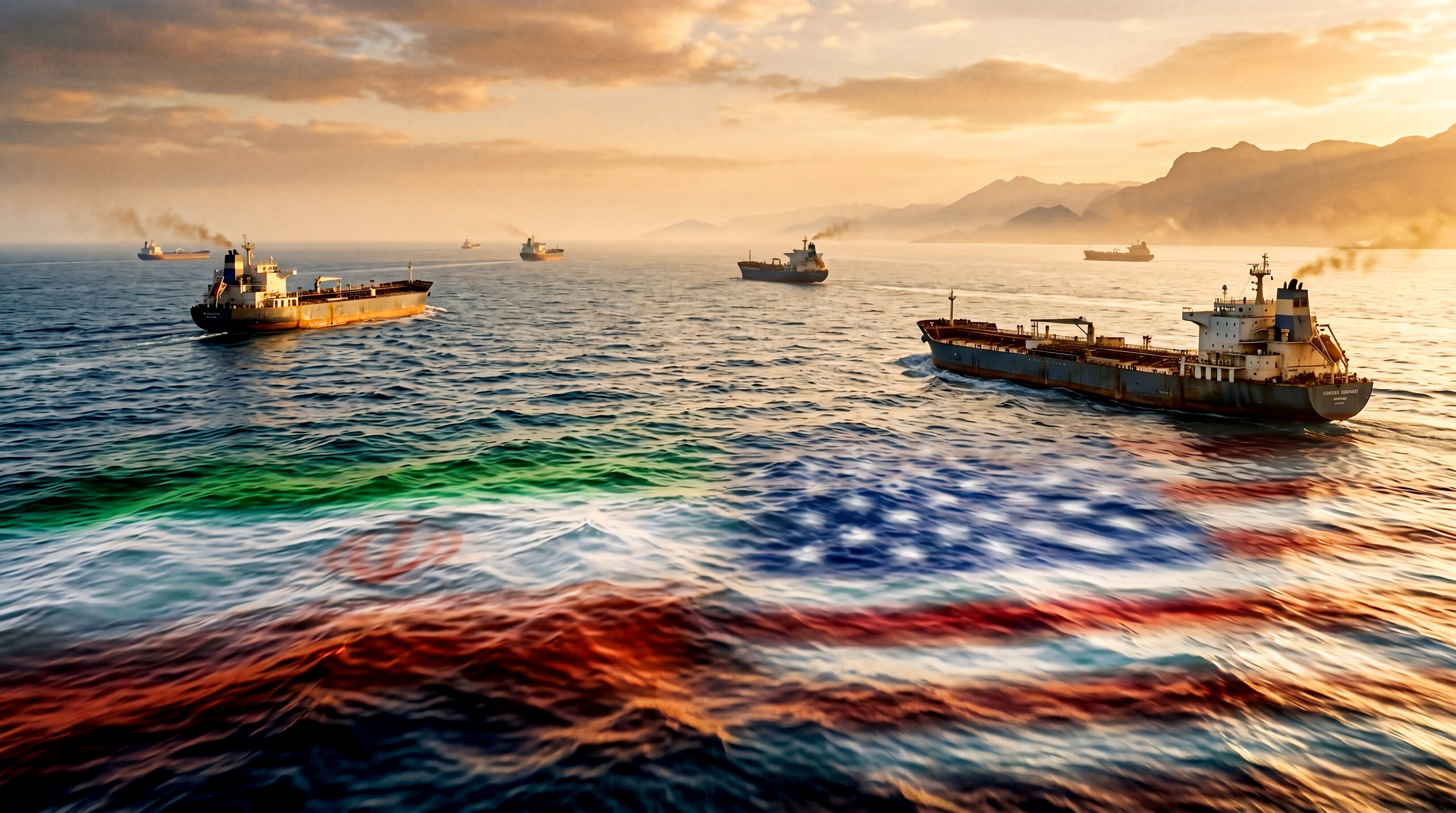
The US secretary of state Marco Rubio said the current phase of negotiations is centered on forcing Iran to fully reopen the Strait of Hormuz, while making clear the administration would not offer upfront sanctions relief in exchange for reopening the strategic waterway.
Iran must agree with the U.S. that it will not charge a toll to transit Hormuz, will not fire on commercial ships and will help remove any mines it has laid in the strait, the secretary of state said.
“What they are doing is unlawful and illegal. There isn’t a country on earth other than Iran … who is in favor of what Iran is doing in the straits…The whole world is against it. So, condition number one is they have to reopen the straits.”
Speaking before the Senate Foreign Relations Committee on Tuesday, Rubio said Iran must first make a clear commitment to restoring navigation through the strategic waterway.
He said the number one condition is reopening the strait, adding that the move means “ships can sail through international waters the way they can do through other choke points around the world, without being fired upon, without paying a toll.”
Referring to lifting sanctions imposed on Iran, Rubio indicated that such relief would not be offered in exchange for reopening the strait alone.
“They’re firing on commercial ships, and they’ve mined large segments of Hormuz – international waters,” Rubio told the Committee.
The U.S. isn’t offering or discussing granting Iran sanctions relief solely for reopening the Strait of Hormuz, secretary of state Rubio said Tuesday.
Responding to a question whether the U.S. will grant such relief as a carrot to reopen the Strait of Hormuz, Rubio responded, “no, that’s not been discussed, that’s not been offered.”
“Any sanctions relief is conditions-based, which means it has to be in return for the reason why those sanctions were put in place in the first place, which is their nuclear program,” Rubio said in response to questions during the hearing.
It is still unclear how many mines are in Hormuz and where they are located in the sea lane.
The remarks came as US president Donald Trump pushed back against media reports claiming negotiations between Washington and Tehran had stalled.
By contrast, Trump said in a social media post on the same day that the information was “false and erroneous.”
If negotiations advance, Rubio’s comments could become the foundation of a broader diplomatic settlement.
If talks collapse, however, the same unresolved disputes over nuclear activity, Strait of Hormuz, regional security, and sanctions could quickly become sources of renewed confrontation.