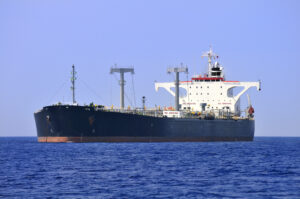
Ukrainian president Volodymyr Zelenskyy urged allies to keep up sanctions pressure on Russia and called for tougher action against Russia’s so-called shadow fleet of tankers used to avoid sanctions.
Ukrainian and US delegations concluded a second day of talks in America on finding ways to end the war with Russia, Zelenskyy said on March 22.
Zelenskyy did not specify when the talks would continue or where they might take place, or in what format. He expects that after the negotiating team returns to Ukraine, they will discuss in detail all aspects of the meetings which for now, as he said, cannot be safely discussed over the phone.
The Ukrainian president, who said on Sunday that there are signals that further exchanges may be possible, urged allies to stop and block tankers that serve the “war budget” and not just let them go.
In a post on X, Zelenskyy said “Revenues give Russia a sense of impunity and the ability to continue the war. That is why pressure must continue and sanctions must work. Russia’s shadow fleet must not feel safe in European waters or anywhere else.”
“Tankers that serve the war budget can and must be stopped and blocked, not just let go. I thank every leader who makes such decisions. This is what brings a dignified peace closer,” he added.
Washington has temporarily lifted some sanctions on Russian oil to help cope with supply shortages caused by war in Iran.
With the effective halt in maritime cargo movement through the Strait of Hormuz hitting crude oil flows, the US issued a temporary 30-day “waiver” to allow Indian refiners to buy Russian oil.
“Over the past week, Russia launched nearly 1,550 attack drones against Ukraine, more than 1,260 guided aerial bombs, and two missiles. Over that same week, due to the easing of sanctions, Russia increased its crude oil sales to finance its war,” Zelenskyy wrote in a post on March 22.
A statement from the Department of Treasury titled Authorizing the Delivery and Sale of Crude Oil and Petroleum Products of Russian Federation Origin Loaded on Vessels as of March 5, 2026 to India said that “all transactions prohibited … that are ordinarily incident and necessary to the sale, delivery, or offloading of crude oil or petroleum products of Russian Federation origin loaded on any vessel, including vessels blocked under the above listed authorities, on or before 12:01 a.m. eastern standard time, March 5, 2026 are authorized through 12:01 a.m. eastern daylight time, April 4, 2026, provided that the delivery or offloading of such crude oil or petroleum products occurs at a port in India and the purchaser of such crude oil or petroleum products is an entity organised under the laws of India.”
The Treasury Department’s general licence stated that it does not permit any other transactions or activities that are forbidden by any other Executive order, such as those involving Iran, the Iranian government, or goods or services of Iranian origin that are forbidden by the Iranian Transactions and Sanctions Regulations.
Last week, UK forces joined a military operation with the French navy in the Mediterranean to seize an oil tanker, with French president Emmanuel Macron identifying the vessel as part of a ‘shadow fleet’ linked to Russia.
NATO Headquarters hosts discussions about Russia’s ‘shadow fleet’
Delegates and experts from across the alliance took part in discussions at NATO headquarters on Tuesday, March 17 about Russia’s ‘shadow fleet.’
The Shadow Fleet Symposium, organised in partnership with the delegations of the Netherlands and Portugal, helped enhance understanding about how to constrain Russia’s ‘shadow fleet.’ Senior officials, subject-matter experts, and practitioners from allied capitals shared their experience and best practice.
The discussions included legal and operational updates from Allied Command Operations and an exchange of views with the European External Action Service about future cooperation and how to ensure efforts against the fleet were complementary.
Speaking at the event, NATO deputy secretary general Radmila Shekerinska said, “the Shadow Fleet is used by Russia to circumvent international oil sanctions. It finances Putin’s war machine and is helping him rebuild his forces. Shadow Fleet vessels are also a danger to the marine environment, to maritime traffic and to the safety at sea in general.”
Over the past week, Russia launched nearly 1,550 attack drones against Ukraine, more than 1,260 guided aerial bombs, and two missiles. Over that same week, due to the easing of sanctions, Russia increased its crude oil sales to finance its war.
— Volodymyr Zelenskyy / Володимир Зеленський (@ZelenskyyUa) March 22, 2026
Revenues give Russia a sense of… pic.twitter.com/tFSFirlybe