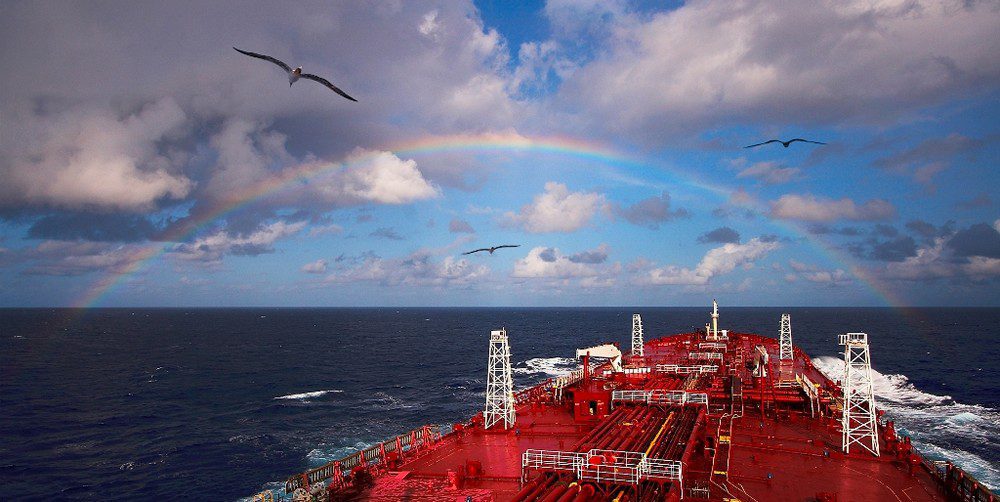
Suezmax tanker specialist Nordic American Tankers (NAT) revealed Thursday that three of its ships were moving freely again after being stuck in the Arabian Gulf during hostilities in the Middle East.
NAT reported that three ships previously stuck in the Arabian Gulf since February 28, 2026, have now passed through the Hormuz Strait and rejoined international operations.
The company confirmed that all crews are safe and indicated that current market conditions for its ships are excellent.
Herbjorn Hansson, founder, chairman and chief executive officer of NAT, said: “We have had 3 ships stuck in the Arabian Gulf. The problems started February 28 this year.
“These vessels have now gone through the Hormuz Strait and are again involved in international business. Our crews are safe.”
Nordic American Tankers, which was incorporated in Bermuda in 1995, has a fleet of Suezmax tankers. Mr Hansson added that the company experiences “excellent market conditions” for its ships.
The news came as commercial traffic through the Strait of Hormuz remained steady, with vessels continuing to transit via both the southern Omani corridor and the northern Iranian-controlled route, according to United Kingdom Maritime Trade Operations (UKMTO) centre.
The report, which covers the period until 5 of July, does not indicate a sustained increase in movements along the southern corridor; instead, traffic patterns appeared stable following the widening of the southern route. Use of the northern route continues, UKMTO said, though overall volumes remain difficult to assess due to AIS practices and inconsistent reporting.
US-assisted commercial transits proceeded without interruption despite the elevated threat environment.
The regional threat level is assessed as Substantial, United Kingdom Maritime Trade Operations (UKMTO) reported, with further deliberate hostile action considered possible under current conditions. Overall risk remains lower than during the pre-Memorandum of Understanding period, but the environment continues to warrant heightened vigilance despite the absence of recent escalation.
UKMTO warned mariners that should expect continued naval presence, congestion along transit routes, and more intense IRGC hailing to support monitoring and flow control.
Navigation interference persists, UKMTO said, and mine-risk reporting remains relevant within and adjacent to the Traffic Separation Scheme (TSS). Clearance and mine-surveying operations continue throughout the Strait of Hormuz.
However, UKMTO warned last week that vessels should maintain heightened situational awareness during all approaches.
Senior military officials from Bahrain, Egypt, Jordan, Kuwait, Lebanon, Oman, Qatar, Saudi Arabia, Syria, the United Arab Emirates, and Yemen discussed recently the current regional security environment and opportunities for enhancing defense collaboration across the region.
U.S. Central Command (CENTCOM) led a regional security dialogue hosted by the Bahrain Defense Force, July 1, for regional defense leaders from 12 nations.
Leaders underscored their shared commitment to the free flow of commerce through the Strait of Hormuz.