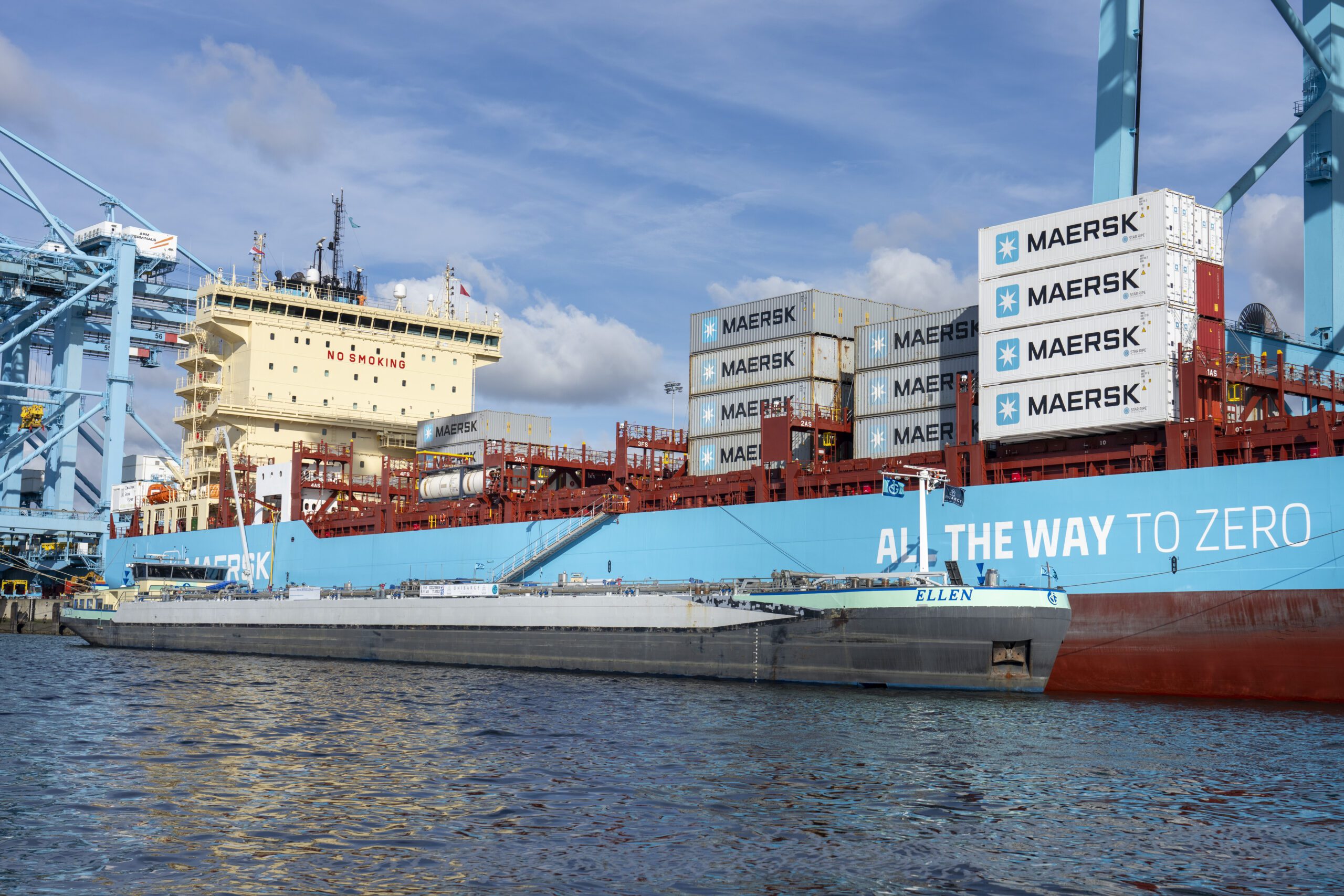
Danish shipping giant Maersk reported a 20% year-on-year increase in revenue to $15.8bn in the second quarter of 2026, up from $13.1bn.
Ocean was the main contributor, Maersk said, lifting revenue by $2.0bn. Ebitda rose to $3.0bn from $2.3bn, Ebit increased to $1.6bn from $845m, and the Ebit margin reached 10.0%.
Global demand for transport and logistics remained resilient during the quarter.
As traffic flows in the Strait of Hormuz were disrupted, inbound cargo to the Gulf was rerouted to alternative ports and through inland transportation routes, with the affected Ocean capacity swiftly redeployed to other growing trade lanes.
Growth was particularly strong for imports into Africa, North America and Latin America, supported by continued momentum in exports from the Far East, especially China.
Maersk said Ocean spot rates increased significantly during the quarter, driven by demand, the increasing imbalance in trade flows, tight capacity and rising port congestion in Europe, the Middle East, East Coast of South America and West Africa.
On the back of the actual performance in the second quarter and improved visibility for the remainder of the year, the company has updated its full-year 2026 financial guidance.
The guidance is based on global container market volume growth for the full year 2026 of around 4%.
Maersk now expects an underlying Ebitda of between $10.5bn and $12.5bn (previously $8bn – $10bn) and an underlying Ebit of between $4.5bn and $6.5bn (previously $2bn – $4bn).
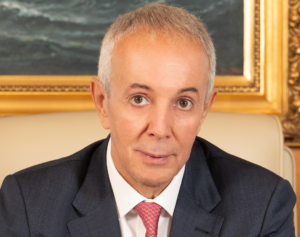
Vincent Clerc, chief executive officer at Maersk, said the second quarter was another indication of the heightened volatility in global trade.
“Strong, broad-based demand from the Far East since 2024 has resulted in significantly more unbalanced trade flows,” he said.
He highlighted that higher volumes were putting pressure on landside infrastructure, with congestion and disruption affecting ports and inland transportation across several geographies.
“With bottlenecks remaining deeply entrenched, we must continue to invest in critical trade infrastructure and scale,” Clerc said.