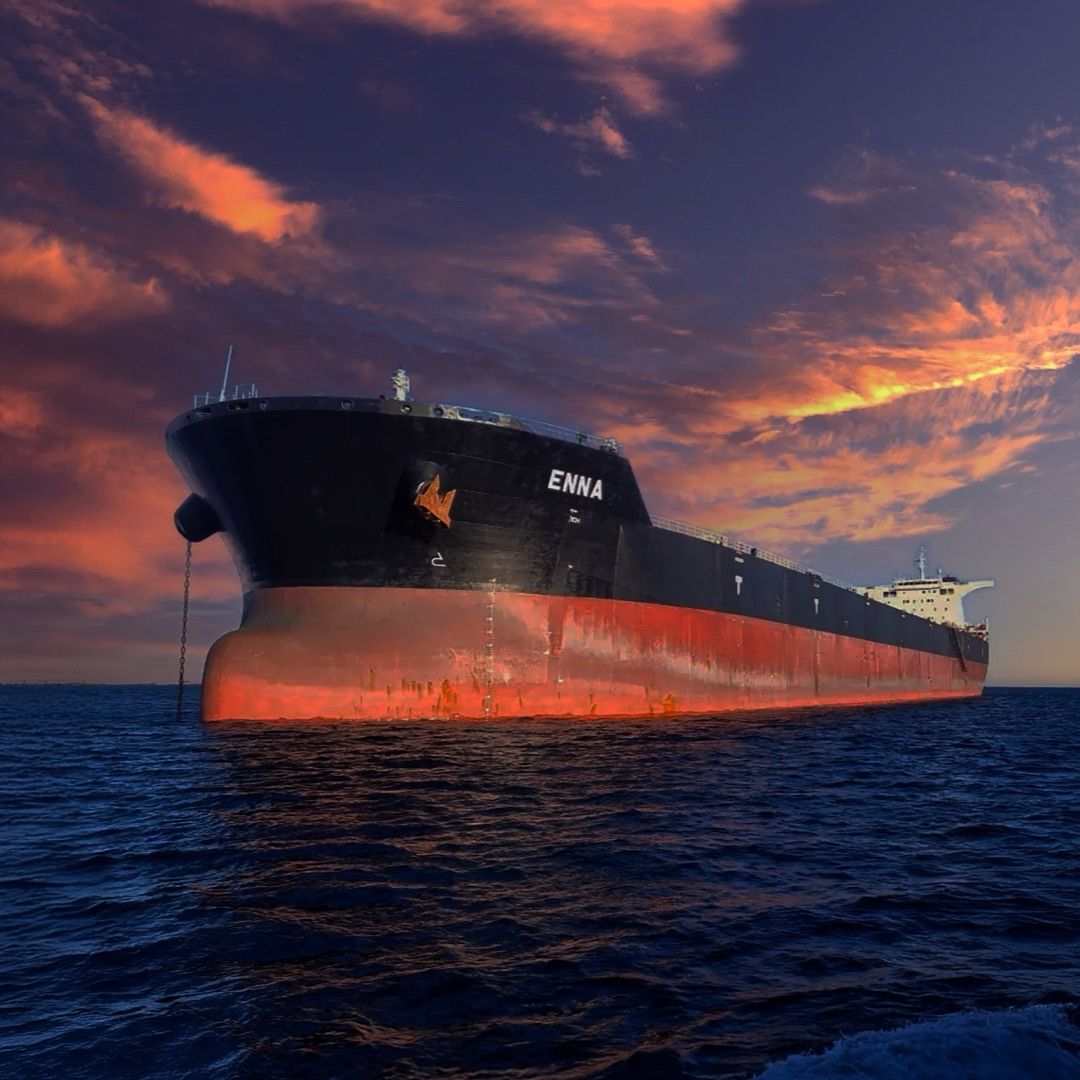
Greek shipowner Costamare Bulkers is moving ahead with its fleet renewal after confirming the sale of its oldest ship in its owned-fleet portfolio.
The New York-listed Costamare Bulkers has agreed to divest the 55,469-dwt supramax dry bulk (2009-built) Bermondi.
The sale, which forms part of the company’s fleet renewal program, is expected to be concluded in the third quarter of 2026.
The supramax Bermondi is the only pre-2010 ship among the company’s 30-owned dry bulk vessels.
Costamare Bulkers currently owns a fleet of 30 dry bulk vessels (including the vessel the company agreed to sell) with a total capacity of approximately 2.7 million dwt, consisting of 6 capesize vessels, all of which are on period charters, 7 kamsarmax vessels, out of which 5 are on period charters, 9 ultramax vessels, out of which 8 are on period charters, and 8 supramax vessels, out of which 4 are on period charters.
The Greek shipowner also owns a dry bulk operating platform (CBI), which is currently focused on kamsarmax-type vessels and consists of 26 third-party owned dry bulk vessels, including two capesize vessels chartered-in under period charters (one expected to be redelivered within 2026) and 24 kamsarmax/panamax vessels, 23 of which are chartered-in primarily under short term period charters or time charter trips.
During the second quarter of the year Costamare Bulkers generated an adjusted net income of $9.8m.
Gregory Zikos, chief executive officer of Costamare Bulkers, commented about the market: “This quarter has been characterized by heightened volatility, particularly in the capesize segment, largely driven by geopolitical uncertainty, energy market turbulence, and weather-related disruptions. Capesize rates peaked in late May before correcting by nearly $20,000/day through the end of June but have since held at robust levels.
“The panamax market remained supported by strong capesize rates and the return of Chinese seaborne coal demand.
“Unlike the larger vessel segments, the supramax market was on a gradual upward trend throughout the period, supported by firmer grain and minor bulk volumes, as well as rising Liberian iron ore exports, which strengthened Atlantic market conditions.”