The Commissioner of the U.S. Federal Maritime Commission, Laura DiBella, issued a statement on Thursday regarding the Net-Zero Framework (NZF), currently under consideration at the International Maritime Organization, arguing that the initiative in its current state raises more questions than it answers and must be rethought before international acceptance and implementation.
The NZF is an effort to reduce greenhouse gas emissions from ships, aiming for net-zero emissions in the maritime sector by the year 2050.
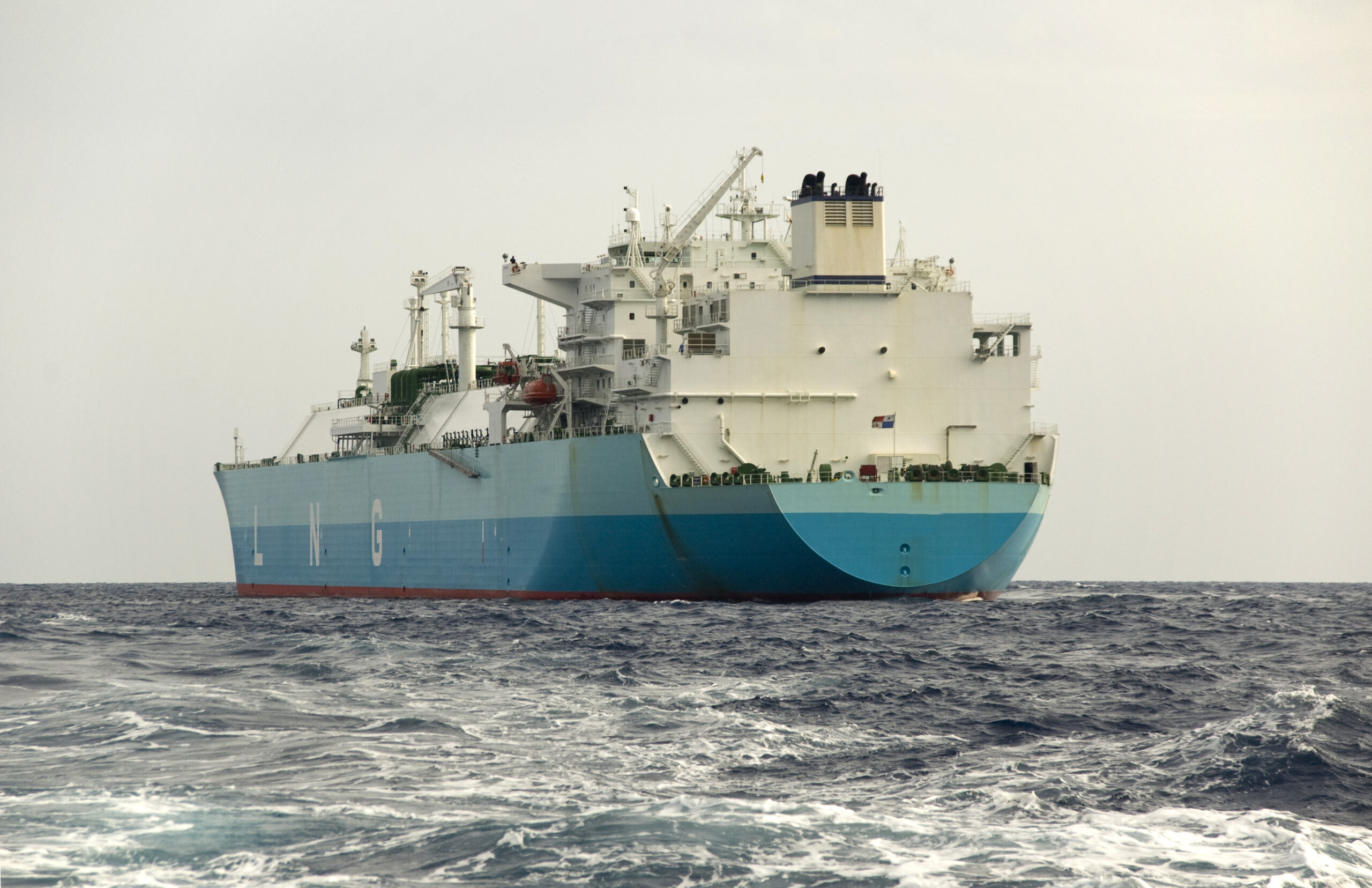
Any viable proposal, she argued, must allow for the maximum range of alternate fuel sources, including LNG and bio-LNG.
Commissioner DiBella expressed concerns about the proposed initiative, mentioning that the primary flaw in the NZF is the attempt to move shipping away from the global petroleum system by regulation rather than by the operation of ordinary market forces.
In a statement issued on August 20, DiBella said the framework encourages the development of fuel diversity, but some proposals would limit alternate fuel sources.
The IMO’s attempt to dictate, as she said, ships’ use of fuel types could lead to run-away costs passed on to consumers in the U.S. and around the world.
The statement notes that efforts toward emissions reductions must be linked explicitly to demonstrated viability and realistic availability of alternative fuels, not a pre-determined, rigid implementation date or limited fuel options.
DiBella, in her statement, said alternative fuels must satisfy clear, transparent and agreed-upon measures of affordability, global availability, and scalability in order to meet the needs of the shipping industry and prevent additional costs to the public.
Both conventional and transitional fuels should remain in use to meet these criteria, she added.
DiBella stated that LNG and bio-LNG could realistically supply more than 60% of global maritime fuel by 2050.
The policy challenge, she said, is not to abandon alternative fuels because future demand may increase their price; it is to design a framework that allows supply and infrastructure investment to grow alongside demand.
She also called for responsibly sourced, American-made bio-LNG to be recognized as a qualifying fuel both domestically and internationally.
The FMC statement carries an important clarification: DiBella’s thoughts and comments were her own and did not necessarily represent the position of the Commission.