Five people were arrested in Norway and searches were carried out in Germany and Romania as part of an investigation into suspected bribery and €1m fraud linked to a company, which was supplying services to NATO military vessels, the European Union Agency for Criminal Justice Cooperation said Wednesday.
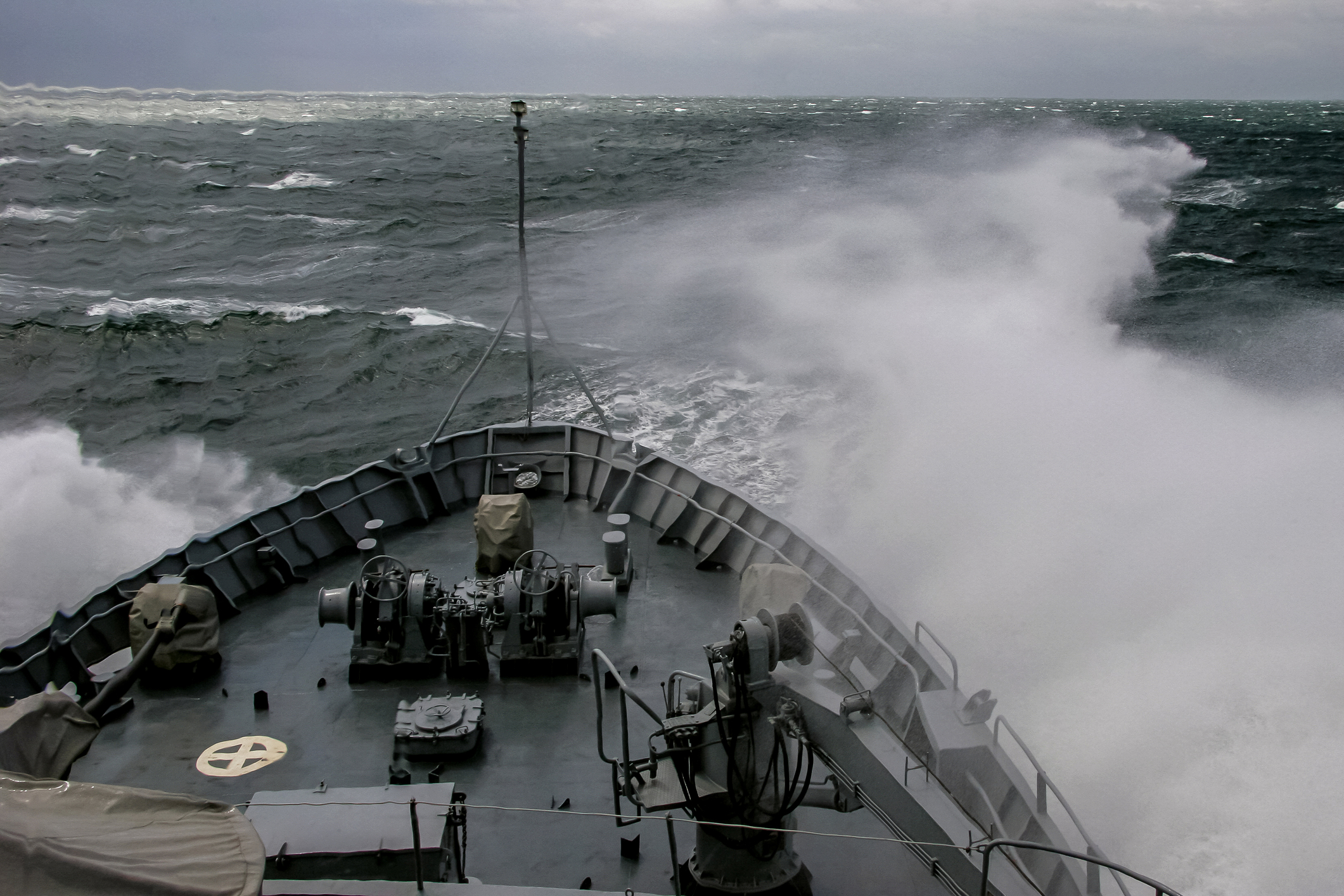
Eurojust said the investigation involved a company and its subcontractors that were allegedly submitting fraudulent invoices as discovered by the NATO Support and Procurement Agency (NSPA), relating to husbandry services (essential shore-based support provided to vessels and their crew) supplied to NATO military vessels making port visits in north-western Europe.
Eurojust estimated that NATO member countries suffered losses of over one million euros, although the exact amount of the fraud is not yet known.
The company is also accused of using an intermediary to bribe foreign public officials to secure favoured support with their contractual dealings with the NATO Support and Procurement Agency or NSPA.
Eurojust began providing judicial support in April 2025 to a cross-border investigation into alleged fraudulent invoices submitted to NSPA.
The NSPA is the North Atlantic Treaty Organisation’s (NATO) main services provider, handling among other things, logistical support and the procurement of military equipment and services.
In July 2025, Eurojust supported the setting up of a joint investigation team, enabling authorities from different countries to work together within a common legal framework and directly exchange information and evidence related to their investigation.
In addition, Eurojust hosted several coordination meetings that allowed authorities to prepare for a coordinated joint action day.
The joint action day took place on Oct. 14 simultaneously with the support of authorities from Norway, Romania and Germany.
In Norway five individuals were arrested, with further house searches at residences and business addresses.
In Romania, searches were conducted at a company’s premises and several households while in Germany, through a European investigation order, searches were carried out at the premises of two businesses and one household.