Shipowners and operators who damage subsea internet cables around Britain are expected to face tougher fines and prison sentences under new proposals designed to crack down on Russian interference, the UK government announced Friday.
Speaking at the Royal United Services Institute on May 29, UK’s telecoms minister Liz Lloyd set out plans to consult on replacing 140-year-old legislation to make the law clearer, and much harder to evade, with tougher penalties for vessel owners and operators that intentionally or recklessly damage cables.
She also highlighted that government is considering new security obligations on cable owners and operators, ensuring they take the necessary steps to prevent, detect and respond to security compromises in a consistent and timely manner, following rise in suspicious activity by vessels.
New emergency powers to direct businesses to protect this infrastructure will also be included in the proposals, which would strengthen government’s ability to respond to major subsea cable incidents and minimise disruption to UK connectivity.
The proposals will be set out in detail through a white paper later this year.
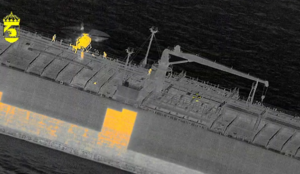
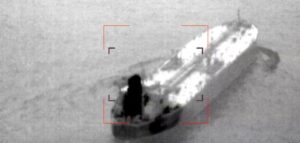
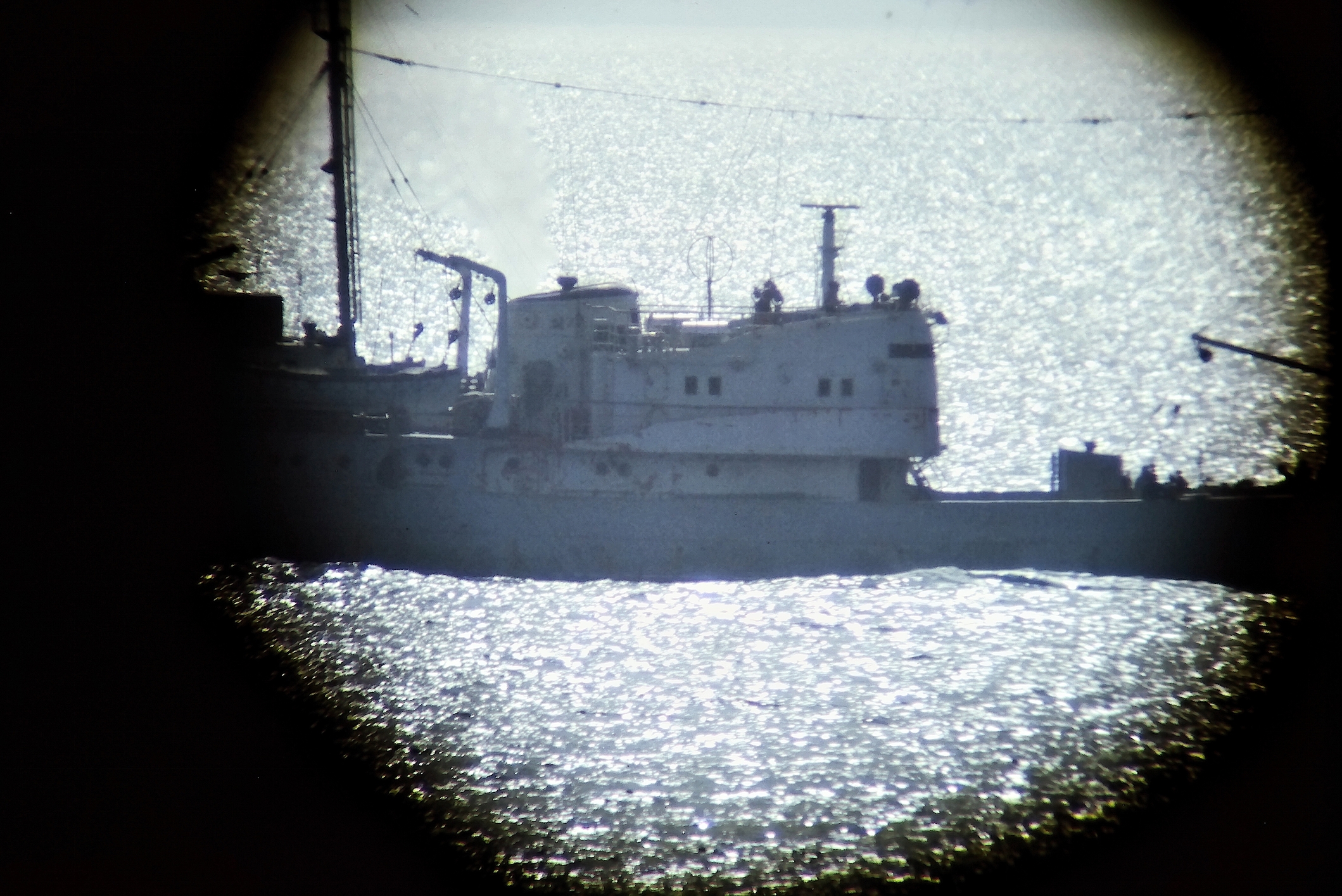
In April, Britain said its armed forces exposed a covert Russian submarine operation carrying out activity over critical undersea infrastructure in and around UK waters, forcing the vessels to retreat back to Russia.
Disclosing details of the joint mission with Norway and other unspecified allies, British defence secretary John Healey said British forces and allies, including Norway, tracked and deterred malign activity by the Russian vessels.
In response, Russia officially rejected John Healey’s claims that Russian submarines are posing a threat to undersea infrastructure. “Russia does not threaten undersea infrastructure, which is of critical importance to the UK. Nor do we employ aggressive rhetoric in this regard,” it said, adding “Nevertheless, it should be recalled that responsibility for the actual attack on undersea infrastructure – namely, the sabotage of Nord Stream – rests with Western countries.”
The new tougher penalties will affect ship owners and operators who recklessly damage underwater infrastructure.
The government already monitors activity at sea using the military, intelligence services and law enforcement.
For acts of sabotage clearly linked to a hostile state, UK laws already carry life imprisonment for the most serious cases. However, malicious activity below the ocean surface doesn’t always present itself clearly – operating in a “grey zone” – ambiguous in intent, hard to prove and difficult to prosecute.
When cables break, a repair vessel is at the scene within eight days, a world-leading response time. Faults are rare and the overwhelming majority are not malicious, with up to 97% arising from fishing activity or vessels dragging anchors, and most aren’t noticed by the public. Suspicious activity near subsea cables is, however, being increasingly observed.
In her speech, Telecoms minister Liz Lloyd explained how the legal system needed to keep pace with the threat, and that planned legislative proposals for consultation would modernise and strengthen the criminal framework around subsea cables. She said the changes would “send a clear message that if you act recklessly, or if you deliberately target our cables, there will be serious consequences.”
“The UK already has strong protections in place for our subsea cables,” the minister added, “but in a more uncertain world we cannot stand still.” “That is why we plan to go further with tougher penalties for reckless damage, stronger security obligations and new powers to respond quickly when incidents happen.”