The European Commission on Thursday downgraded economic growth estimates to 1.1% in 2026, as the conflict in the Middle East triggers a new energy shock that reignites inflation and shakes economic sentiment.
In its latest economic forecasts, the Commission now projects EU GDP growth of just 1.1% in 2026 – a downward revision of 0.3 percentage points from the Autumn 2025 Economic Forecast projection (1.4%). GDP growth is then set to edge up to 1.4% in 2027.
Growth projections for the euro area are similarly revised down, to 0.9% in 2026 and 1.2% in 2027, from 1.2% and 1.4% respectively.
Inflation in the EU is expected to reach 3.1% in 2026 – a full percentage point higher than previously forecast – easing again to 2.4% in 2027. In the euro area, inflation is also revised up to 3.0% in 2026 and to 2.3% in 2027, compared to the autumn projections of 1.9% and 2.0% respectively.
Before the end of February 2026, the EU economy was set to keep expanding at a moderate pace alongside a further decline in inflation, but the outlook has changed substantially since the outbreak of the conflict.
The conflict materially changed this picture, delivering one of the most significant global energy supply disruptions in recent history – coming less than five years after the energy shock triggered by Russia’s war against Ukraine.
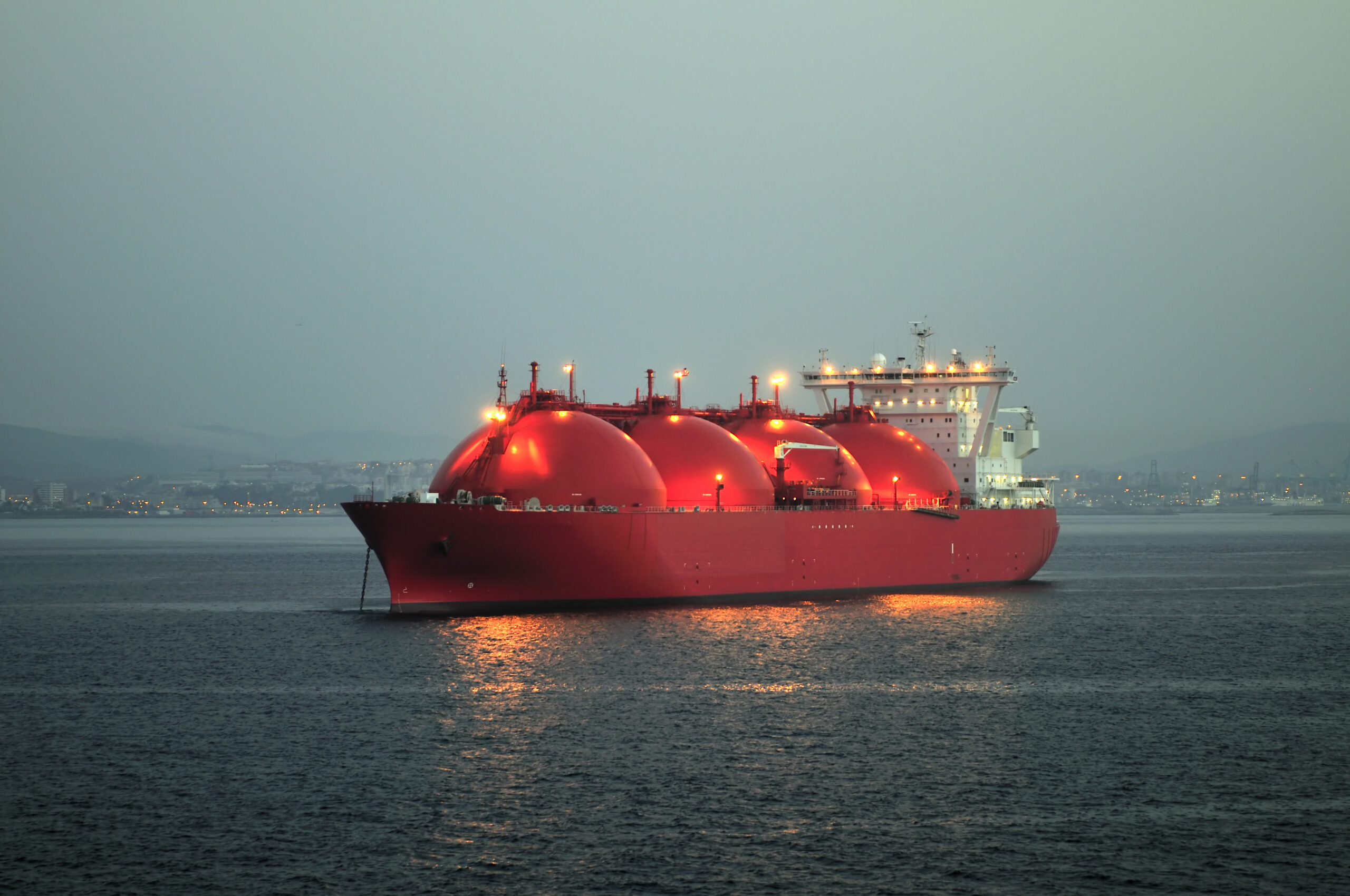
The virtual closure of the Strait of Hormuz has curtailed seaborne flows of oil and LNG by around 15% and 20%, respectively.
Moreover, the targeting of energy infrastructure in the region has caused significant damage, including to regional refining capacity. The disruption to exports of refined petroleum products has thus been particularly pronounced, reflecting the Gulf’s role as a major refining hub and the limited scope for rerouting fuel exports through alternative transport routes.
While the current shock differs in many respects from the 2022 energy crisis, it is expected to transmit through the economy along similar channels.
Strong surge in energy prices
Inflation data for March and April 2026 already point to a strong surge in energy prices. Energy inflation in the EU is expected to peak above 11% in the second quarter of 2026 and remain above 10% for the rest of the year, before declining in early 2027, and turning negative from the second quarter onwards.
Price pressures are set to broaden progressively, as rising energy costs feed through the production chain and are partially passed through to consumers.
“The conflict in the Middle East has triggered a major energy shock. The EU must learn from past crises: keep support temporary and targeted, safeguard public finances, reduce reliance on imported fossil fuels, and accelerate reforms,” said Valdis Dombrovskis, Commissioner for Economy and Productivity.