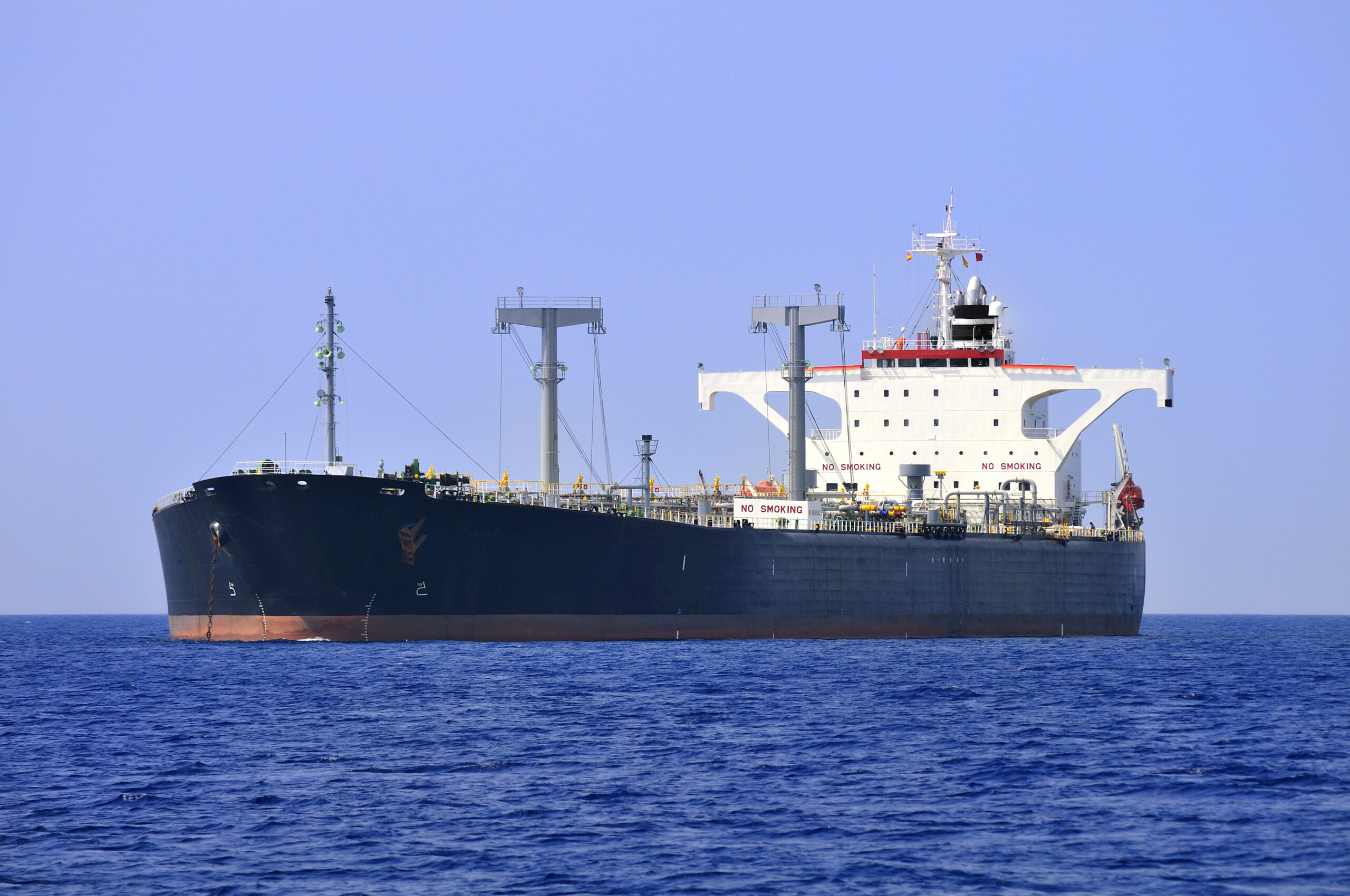
The heads of the International Energy Agency (IEA), International Monetary Fund (IMF), World Bank Group and World Trade Organization (WTO) warned on Friday of the risks to fuel security during peak summer demand in the Northern Hemisphere if shipping oil flows through the Strait of Hormuz does not return to normal.
“Global oil inventories are being drawn down at a record pace in response to the major loss of supply through the Strait of Hormuz,” the heads of the four of the world’s top economic and energy bodies said in a joint statement.
“If shipping flows do not return to normal, continued rapid depletion of global oil inventories ahead of peak summer oil demand in the Northern Hemisphere would present increasing risks for fuel security, market conditions, and broader economic resilience.”
In Friday’s joint statement, they highlighted that the surge in energy and fertilizer prices due to the war was having a disproportionate effect on lower income countries.
Particular concern was expressed over the “substantial and highly asymmetric impacts” of the war in the Middle East on energy supplies, food security, and economic activity across countries and regions.
While they said the global economy has remained resilient so far, they warned that the effects of the conflict are disproportionately affecting the most vulnerable countries through higher fuel and fertilizer prices, increased uncertainty, and risks to jobs and livelihoods.
“Higher fertilizer prices are of particular concern as many countries enter the planting season,” they say.
They also highlighted the importance of closely monitoring fertilizer supply chains, energy and economic developments as well as policy responses.
Officials said they are tracking and analysing measures taken by governments to address the economic impact of the conflict, with a view to promoting transparency, sharing lessons, and identifying emerging risks.
The heads of the four bodies met on May 28 as part of the high-level coordination group established in April to maximize their institutions’ response to the energy, trade, and economic impacts of the war in the Middle East.
“We will remain in close contact as the situation evolves and continue coordinating our efforts to support the countries most affected and global economic stability,” the statement concludes.