Only 5% of EU ships’ tonnage was dismantled in Europe despite the capacity to recycle much more, according to NGO Shipbreaking Platform and T&E report.
Between 2019 and 2025, 706 EU-flagged and/or EU-owned ships were dismantled worldwide. Only 22% were recycled in EU-located facilities, representing just 5% of the total tonnage.
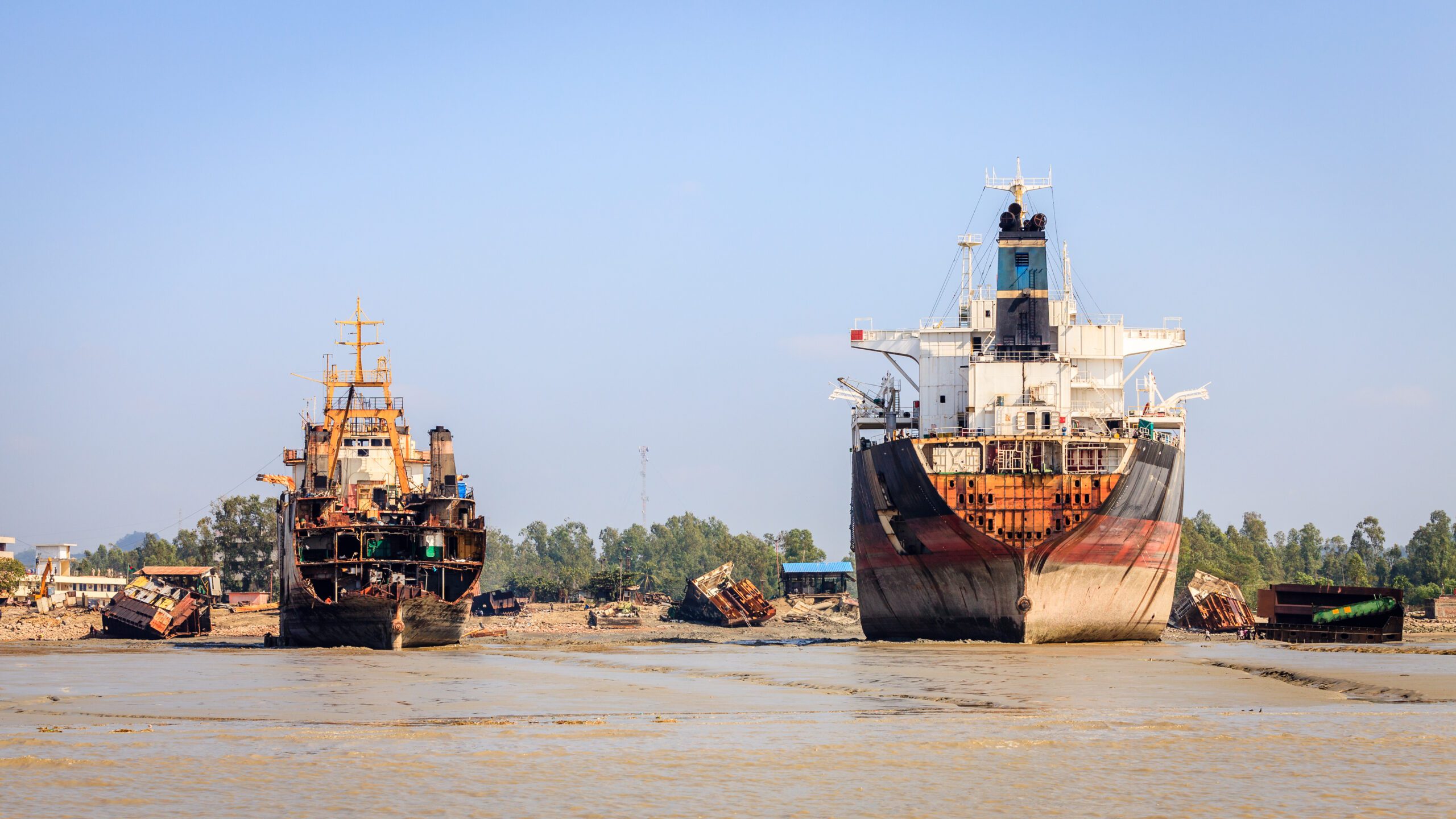
Nearly half were beached in India, Bangladesh and Pakistan, representing 66% of total tonnage. The remaining ships were dismantled mostly in Turkish shipbreaking yards.
102 ships swapped their EU flag to another flag shortly before dismantling to avoid stricter EU rules.
In 2020, EU recycling capacity stood at 2.1 million light displacement tonnes (LDT). Yet of the 1.4 million LDT of EU-owned tonnage dismantled that year, over two-thirds ended up on South Asian beaches.
According to NGO Shipbreaking Platform, EU facilities can accommodate large vessels, with at least 6 to 8 yards capable of recycling ships up to 330 meters long.
NGO issued a report concluding that the EU has enough domestic capacity to recycle all EU-flagged and EU-owned vessels.
“This is not just an environmental issue. It is a profound failure of EU industrial strategy, prioritising strategic resilience and material autonomy on paper, while in reality letting valuable steel be lost to third markets,” said Philippine Bernard, policy officer of NGO Shipbreaking Platform. “The EU speaks of reducing dependence on imported critical materials, yet, it lets its shipowners evade regulations and export millions of tonnes of recoverable steel that could be processed domestically. This is not strategic autonomy.”
In July, the European Commission announced plans to add the first beaching ship recycling facilities to the EU’s approved list.
“This will make it easier to dump ships overseas,” say the Shipbreaking Platform and T&E.
Up to 95% of the weight of a ship can be recycled, according to NGO Shipbreaking Platform, as high-quality scrap steel.
In a previous report, the Shipbreaking Platform concluded that almost 12,000 EU-owned ships would reach end of life in the next decade, which could yield up to 12 million tonnes of steel yearly.