The Strait of Hormuz, the waterway crucial for global trade that Iran has effectively closed since the beginning of the U.S.-Iran conflict, is “declared completely open” for the “remaining period of ceasefire.”
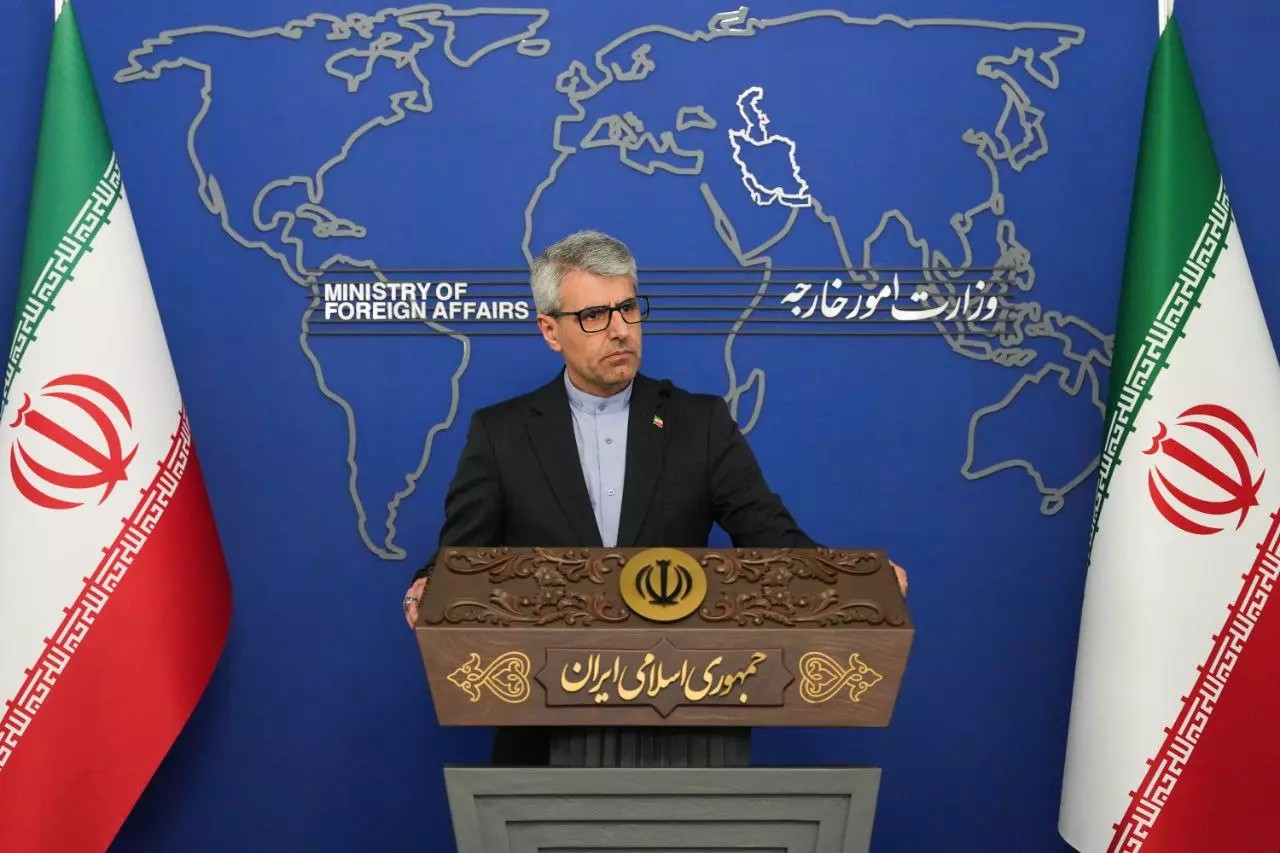
Iranian foreign minister Abbas Araghchi said the Strait of Hormuz is now open to all commercial vessels for the remainder of the ceasefire. The foreign minister said the decision to open the shipping lane came after the ceasefire in Lebanon.
In a statement on X, he said: “In line with the ceasefire in Lebanon, the passage for all commercial vessels through Strait of Hormuz is declared completely open for the remaining period of ceasefire, on the coordinated route as already announced by Ports and Maritime Organisation of the Islamic Rep. of Iran.”
There is currently an American naval blockade of Iranian ports – aimed at stopping ships of all nations entering or departing Iranian ports – this is staying in place.
US president Donald Trump said the US blockade will remain in full force and effect “as it pertains to Iran” until his “transaction with Iran is 100% complete”.
Trump welcomed Iran’s reopening of the strait, declaring the critical waterway “Completely open and ready for business and full passage.”
Trump, in his Truth Social platform, expressed optimism that negotiations on a broader deal with Tehran “should go very quickly,” adding that most of the points are already negotiated.
In a third post, Trump claimed that he received a call from NATO asking if USA needs some kind of help. “I told them to stay away, unless they just want to load up their ships with oil. They were useless when needed, a Paper Tiger,” he wrote on Truth Social.
The announcement came as the leaders of Britain and France were co-hosting a virtual meeting on Friday, April 17 to discuss a potential international effort to secure the strait once hostilities sufficiently subsided. The discussions were focused on supporting the fragile ceasefire in the region and ensure shipping routes are reopened and secured through the strait for the long term, complementing ongoing diplomatic efforts to reinforce peace.
French president Emmanuel Macron welcomed recent announcements, including the reopening of the strait and the ceasefire between Hezbollah and Israel as announced by president Trump, but he expressed concern that the ceasefire may already be undermined by the continuation of military operations.
“I call for the safety of civilian populations on both sides of the border between Lebanon and Israel. Hezbollah must renounce its weapons. Israel must respect Lebanese sovereignty and stop the war,” Macron wrote in a post on X.
British prime minister Keir Starmer urged the parties to work on a “long lasting solution,” “without tolls or restrictions on routes.”
“It’s good news that the Strait of Hormuz has now reopened,” he said. “Today we announced our joint plan with France and other international partners to protect freedom of navigation. We need to see a return to peace and stability, and a permanent ceasefire.”
Early indications are that commercial ships in and around the Gulf won’t be in any rush to travel through the Strait of Hormuz, despite the Iranian foreign minister’s declaration that it is “completely open”.
International Maritime Organization ‘currently verifying’ Iranian announcement
The head of the International Maritime Organization (IMO) is trying to understand the details behind Iran’s commitment to reopening the Strait of Hormuz.
Even with the fighting on pause there is significant US and Iranian military presence in the area, and as tensions remain heightened there is an ongoing risk to the safety of ships and their crews.
The IMO secretary-general Arsenio Dominguez posted on X saying: “We are currently verifying the recent announcement related to the reopening of the Strait of Hormuz, in terms of its compliance with freedom of navigation for all merchant vessels and secure passage using the IMO established traffic separation scheme.”