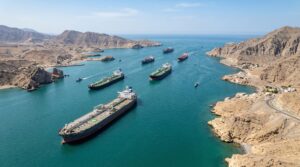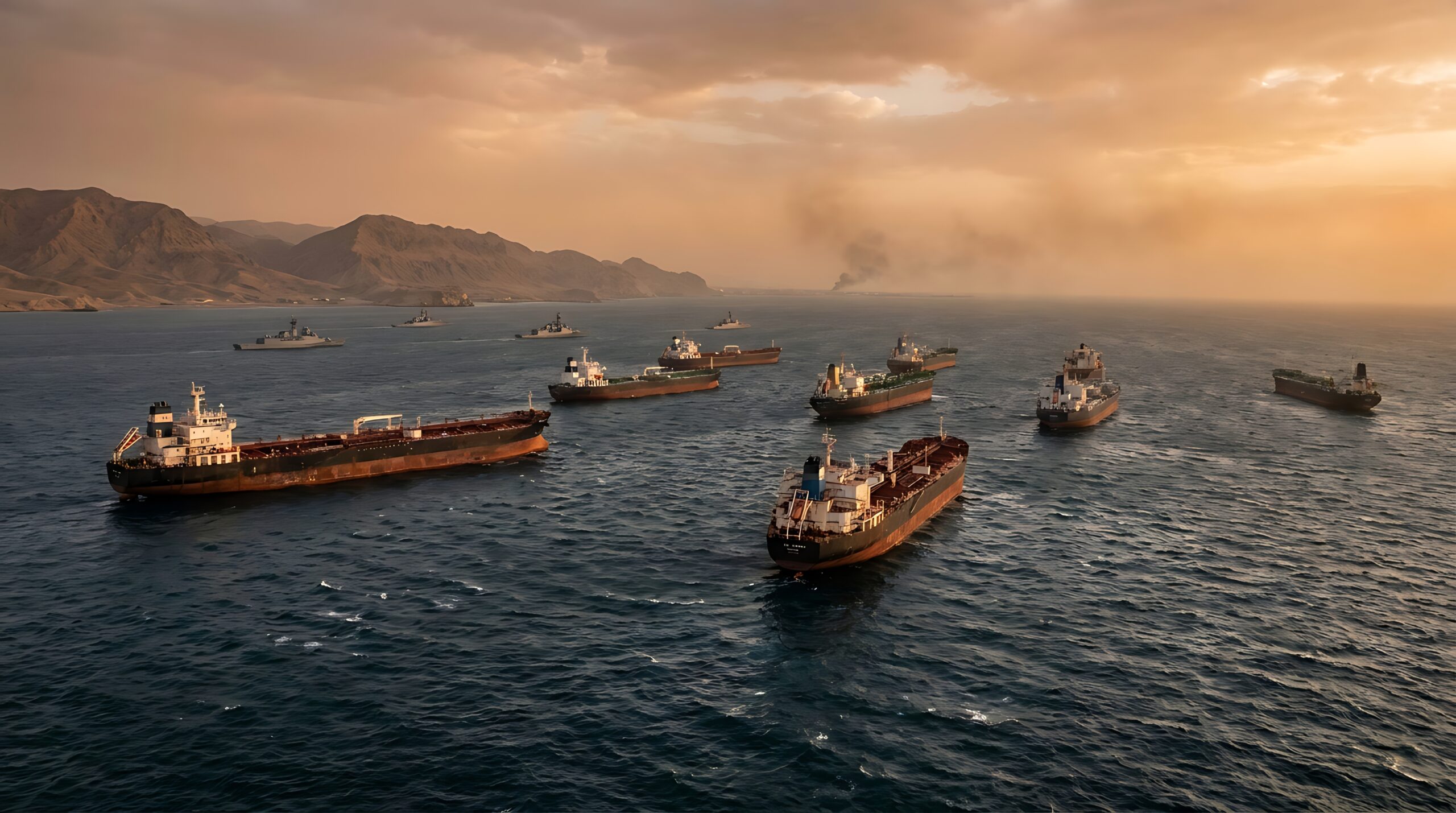
The U.S. military said Thursday that it has cleared all Iranian sea mines in the Strait’s international shipping lanes.
In a video statement, which confirmed US president Trump’s earlier claims that the critical waterway has been fully de-mined and is open and operating, Adm. Brad Cooper, commander of U.S. Central Command described the accomplishment as a “major milestone.”
“The US military has achieved a major milestone in the Strait of Hormuz. We have successfully cleared sea mines in the strait’s international shipping lanes that were laid months ago by Iran’s Islamic Revolutionary Guard Corps. Internationally recognized transit routes in the strait are free of Iranian sea mines, thanks to the incredible work of the U.S. military,” Cooper said in the operational update.
The admiral said a combination of Navy divers, Navy SEALs and US air power from the Army, Navy, Air Force and Marine Corps had been used to clear the shipping lanes.
“Over the past few months, our forces meticulously and quietly cleared the sea mine threats using a combination of Navy divers, Navy SEALs and US air power from the Army, Navy, Air Force and Marine Corps.”
He described the operation as “challenging and dangerous to say the least” but stressed that “we got the job done.”
Cooper declared that the international shipping lanes are “open, and the momentum is building.”
He said 50,000 US troops were engaged in executing the naval blockade on Iran, while maintaining navigation movement through the Strait of Hormuz.
“Many of our 50,000 troops operating across the region are doing outstanding work executing the naval blockade against Iran, while maintaining the commercial traffic flow through the Strait of Hormuz,” he shared.
Additionally, US forces have helped nearly 1,500 commercial vessels transit the strait “by providing coordinated protection,” allowing nearly 750 million barrels of crude oil to make it out.
Meanwhile, Cooper said Iran has exported “zero oil from its shores” since mid-July, when the US resumed the naval blockade on Iranian ports.
“No ships have entered or left an Iranian port without our permission,” Cooper asserted, “and we have only allowed ships to pass through on humanitarian grounds.”
Since resuming the US naval blockade, American forces have turned around 75 vessels “attempting to run the blockade” – and disabled three ships that “did not comply when directed.”
Cooper lauded the “brave men and women” working to secure the strait for “their extraordinary service.”
His announcement comes just over a week after Trump proclaimed in a social media post that “all mines have been removed and/or detonated from within the International Waters of the Strait of Hormuz.”
“Iran has been notified that any ship or boat placing new mines will be immediately and systematically destroyed,” Trump posted on Truth Social on Aug. 25. “Through Space Force, we are watching every square inch of the Strait, as we are, also, with Pickaxe Mountain and the already destroyed three other Nuclear sites. There is a Zero Tolerance policy on mine placement in full force and effect.”
Last week, US Treasury Secretary Scott Bessent issued a global warning for countries to break all financial ties with Iran or risk being barred from the US financial system, stepping up economic pressure on Tehran.
“In the Second World War, D-Day marked the historic beginning of a campaign with our allies to target and drive the enemy from its positions, including those in third countries. Today, in that same spirit, we are launching an economic onslaught against Iran’s financial connections around the globe,” Bessent said.
He added that the objective of the operation was to isolate Iran by severing “every economic lifeline.”
Iranian foreign ministry issued a statement, describing the US economic sanctions against Iran “unlawful and unjustified measures” that “violate the UN Charter, international humanitarian law and human rights.”