Image: US Central Command
The US military had shot down Iranian drones over the Strait of Hormuz, an escalation in hostilities that dampened hopes for a peace deal.
U.S. forces shot down four Iranian one-way attack drones launched toward the Strait of Hormuz and Gulf neighbors on Friday, US Central Command said. The Iranian drones posed an immediate threat to regional maritime traffic, according to US officials, the key waterway that the Iranian regime has effectively choked off.
U.S. Central Command said that Iran fired seven ballistic missiles toward Kuwait and Bahrain, with U.S. forces intercepting six of the missiles and a seventh failing to reach its target. The military said there were no reports of harm to U.S. personnel, adding that Iranian claims of damaging U.S. 5th fleet headquarters in Bahrain are false.
The ballistic missiles were fired after the U.S. earlier in the day shot down four Iranian drones that were launched toward Strait of Hormuz.
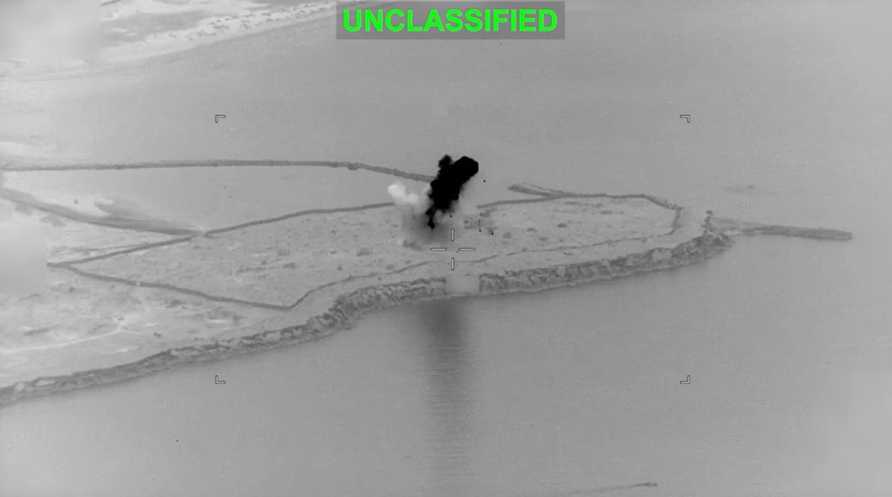
U.S. forces subsequently struck Iranian coastal surveillance radar sites in Goruk and on Qeshm Island to defend against further maritime attacks, according to U.S. Central Command officials.
The exchange of strikes comes as the Trump administration ramps up pressure on Iran to make a deal to end the conflict.
“A lot” of oil is getting through the Strait of Hormuz, says Trump
Earlier on Friday, Trump said “a lot” of oil is getting through the Strait of Hormuz as he answered questions Friday from reporters on Air Force One.
“I don’t want to say how many, but a lot,” Trump responded. “A lot of oil is coming into our country, a lot of oil is coming into the world and people don’t even know about it – and that’s why it’s at $97 a barrel instead of $300 a barrel.”
Trump, however, avoided the direct question of whether the U.S. Navy was helping guide tankers through the strait.
“When that whole thing is straightened out – it shouldn’t take long, one way or the other it’s going to get done – and when it’s all straightened out, you’re going to have oil prices drop down to maybe even lower than they were [before the war],” he said.
US forces board sanctioned tanker in Indian Ocean
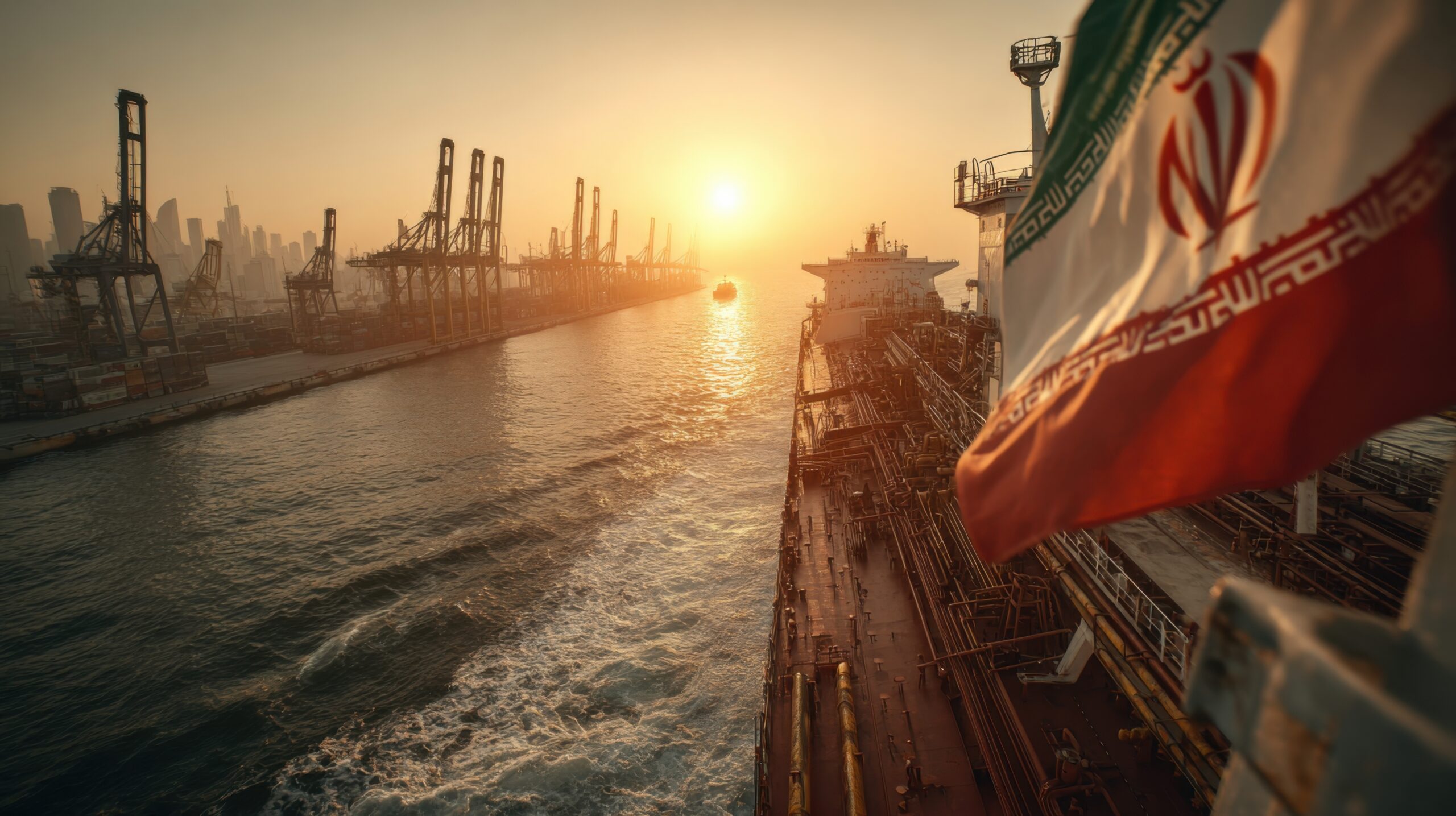
The U.S. military is enforcing a blockade on Iranian ports in response to Tehran’s chokehold on the crucial corridor for global oil and natural gas shipments, which has sent energy prices spiking.
Besides the drone interception in the Strait of Hormuz, the U.S. military said earlier Friday that its forces boarded an oil tanker linked to Iran in the Indian Ocean within the INDOPACOM area of responsibility as the United States seeks to prevent Iran from profiting off its oil and other goods.
“We will continue global maritime enforcement to disrupt illicit networks and interdict vessels providing material support to Iran, wherever they operate,” the U.S. Indo-Pacific Command wrote in a statement.
The U.S. also targeted Iran’s energy sector with new sanctions on a group of people, firms and tankers.
US Treasury says sanctions Iranian LPG smuggling network
The U.S. Department of the Treasury’s Office of Foreign Assets Control (OFAC) designated on Friday a network of individuals, entities, and vessels.
OFAC said the network used front companies in the United Arab Emirates and China, foreign bank accounts, and Iran’s shadow fleet to move millions of barrels of Iranian liquefied petroleum gas (LPG) while concealing its Iranian origin and evading U.S. sanctions.
“Iran’s economy is floundering and its military is decimated,” said US secretary of the Treasury Scott Bessent. “Through Economic Fury, Treasury will continue to sever Iran’s shadow fleet, shadow banking networks, and access to global trade.”