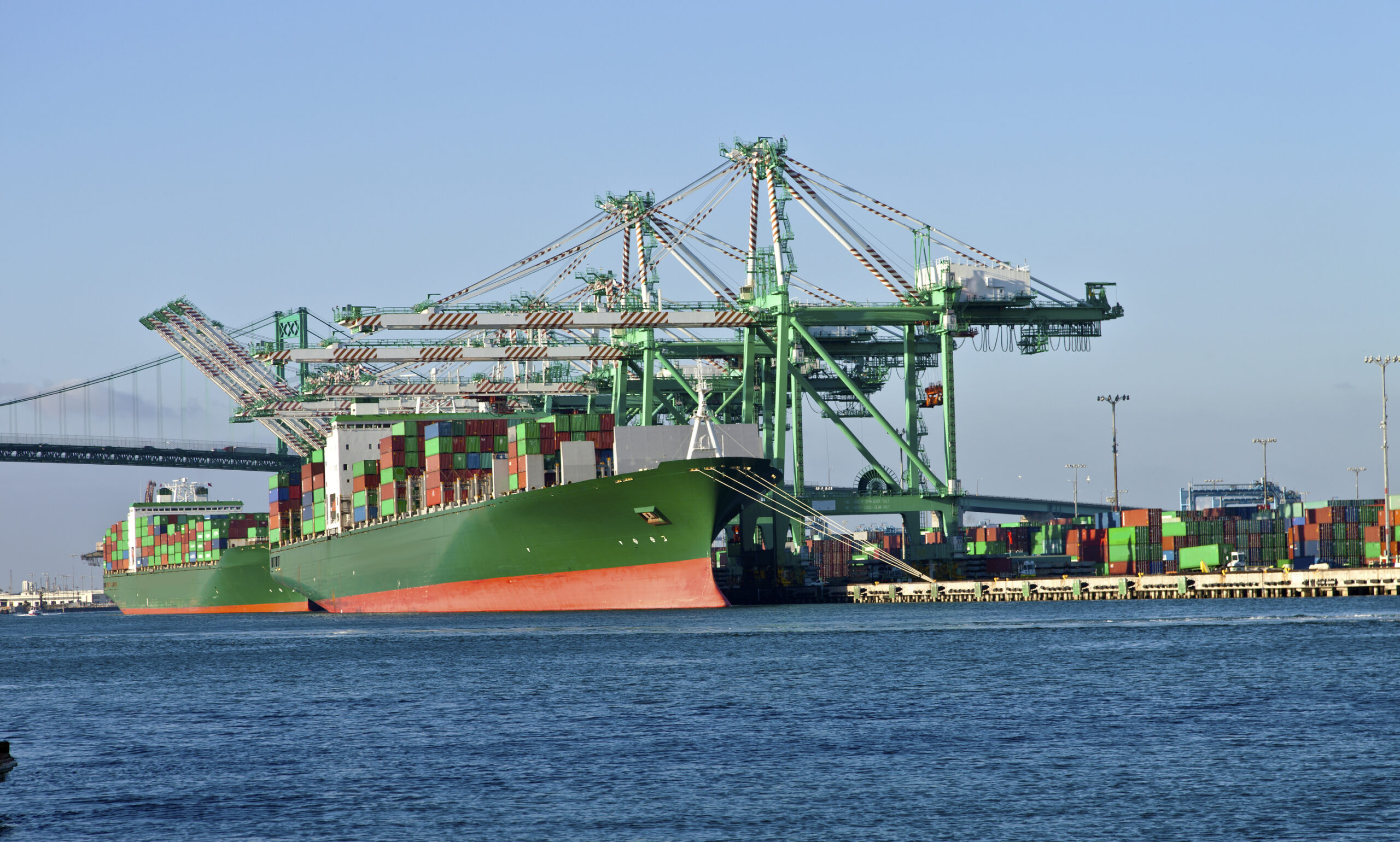
The U.S. needs to restore domestic shipping capacity by creating a public container shipping carrier, according to a new report released by the Open Markets Institute.
The Washington, DC-based think tank claims that six foreign-owned shipping firms control more than 90% of US trade on major routes.
The Open Markets Institute also says the number of container ships owned or controlled by the U.S. government is in decline.
China, Japan, Singapore, South Korea, and Taiwan control nearly 70% of the container shipping fleet by value. China, which controls nearly 30% of the global container ship fleet, also dominates shipbuilding, container and chassis manufacturing, and port throughput.
The U.S., by contrast, has no major container shipping carriers, and the U.S.-flagged presence in international container shipping is minimal, totaling less than one percent of the global container ship fleet.
The report, Creating a Publicly Accountable Ocean Supply Chain, argues that foreign ownership of carrier companies increases the risk that U.S. shippers might be easily cut off from global markets.
It also warns that the lack of domestic container shipping capacity is a threat to U.S. national security.
The report finds that six foreign-owned carriers control nearly 80 percent of global container shipping capacity. Meanwhile, the U.S.-flagged container fleet has fallen to just 58 vessels – less than one percent of the global total.
Although some foreign carriers have maintained U.S. subsidiaries, they are still subject to extensive control by their foreign parents.
The institute warns that this reliance on foreign shipping restricts the capacity available to mount a U.S. response to an emergency, adding that the high concentration of foreign ownership would allow other countries to fracture U.S. military supply lines.
To address these challenges, Open Markets recommends stronger oversight of global shipping alliances, greater support for U.S.-flagged vessels and mariners, restored nondiscrimination protections for shippers, and the creation of a public container shipping carrier.
The plan calls for the Congress to create a public container shipping carrier by directing the Maritime Administration to buy vessels from U.S. shipyards and operate liner container ship services using U.S. mariners on non-discriminatory terms for U.S. importers and exporters.
“For much of the twentieth century, we understood that shipping was too important to leave entirely to the whims of the market,” said Arnav Rao, transportation policy analyst at the Open Markets Institute and author of the report. “It’s time to revisit that lesson.”