EU countries reached a political agreement on the 21st package of sanctions against Russia, including a 12‑month freeze of the oil price cap at $44 a barrel and a one‑year exemption for LNG transfers to third countries, upholding solidarity with Greece.
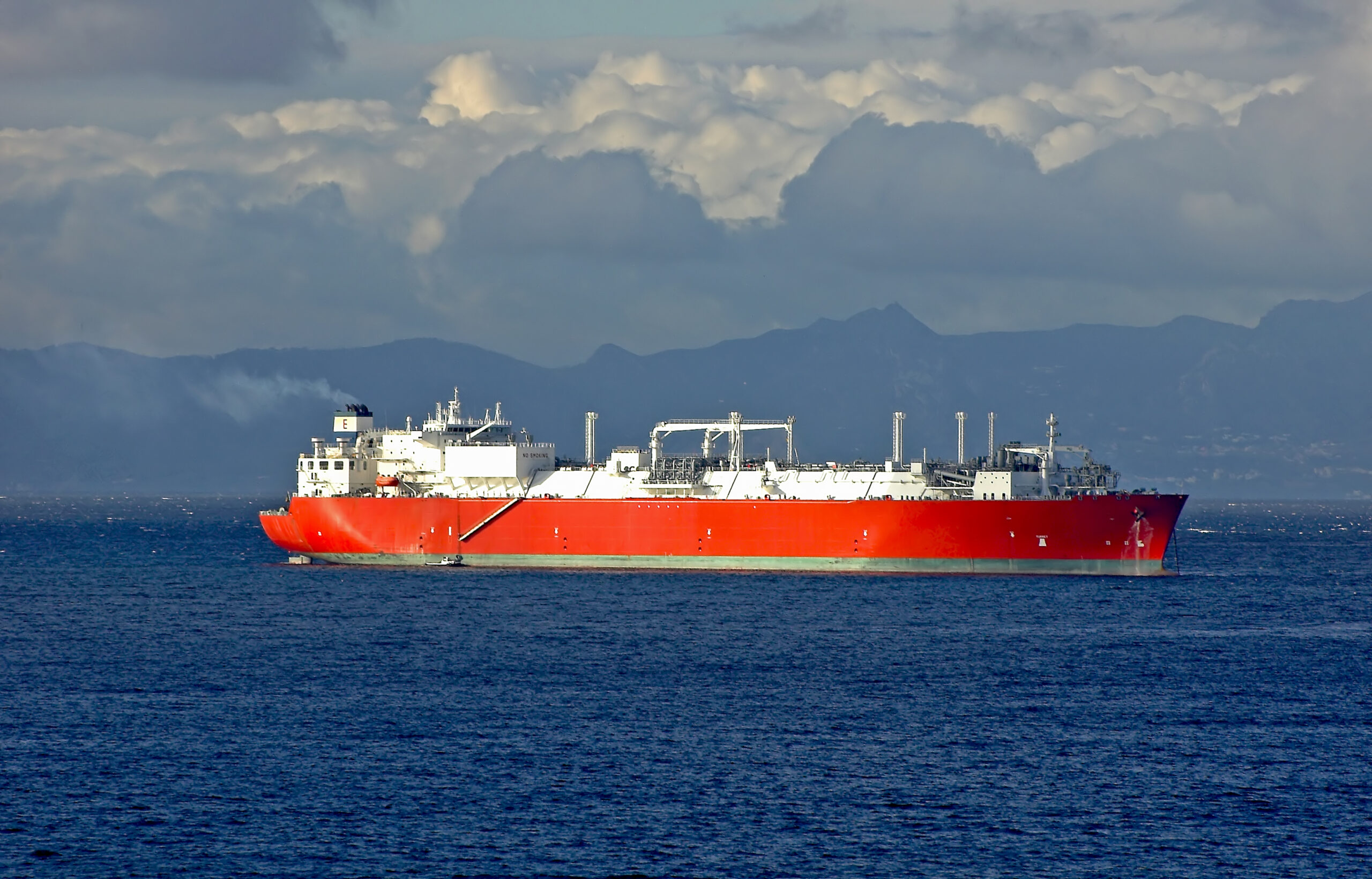
The package granted a one-year exemption allowing EU companies to transfer Russian liquefied natural gas to third countries. The temporary exemption is valid for one year, subject to renewal, and is introduced to ensure “legal certainty.” The exemption is subject to strict reporting and volume requirements.
The exemption would allow companies from the bloc to continue transporting Russian LNG to third countries for a 12-month period that could be renewed, according to EU diplomats briefed on the decision.
The package also clarifies that the LNG terminal services ban introduced in the 20th sanctions package covers not only Russian and EU operators but also non-Russian, third-country operators that are controlled by Russian companies.
The European Union has agreed to impose a new round of sanctions against Russia, following tough negotiations that threatened to put the entire package at risk.
After lengthy talks last week, EU capitals managed to agree on the 21st sanctions package against Russia ending long negotiations in which several countries sought exemptions to protect national interests.
The government in Athens argued that a ban on transporting Russian LNG would have a devastating impact on its shipping industry.
Asked by reporters on Friday about this matter, European Commission chief spokesperson Paula Pinho was clear in her answer: “Sanctions should not affect us more than they affect the one who is supposed to be targeted, Russia, and that’s a guiding principle throughout the discussion, the proposal, the negotiation, and eventually the agreement.”
EC spokesperson Siobhan McGarry also clarified that the “exemption is valid for one year.”
Greece is one of the world’s leading maritime powers. Greek shipowners continue to invest in various types of vessels focusing on tankers, bulk carriers and LNG carriers, while containership orders are also on the rise.
Compared to 2021, the Greek orderbook is 7 times higher in number of vessels and 5 times higher in terms of capacity.
Greek shipping dominates in several key categories, holding a 22% share of the global fleet in dwt (with 2,766 bulk carriers), a 26% global fleet share (with 1,064 oil tankers), a 8% global fleet share (with 527 containerships), a 16% global fleet share (574 chemical tankers), a 23% global fleet share (172 LNG carriers), a 4% global fleet share (with 261 general cargo), a 11% global fleet share (157 LPG carriers), a 8% global fleet share (77 vehicles carriers), and N/A (200 other). The total number of vessels currently reaches 5,798.
Athens feared that Greek vessels would lose lucrative contracts while Russia would simply find tankers from other countries – such as China or other non-European competitors – and would therefore continue exporting gas despite the losses for Greek companies.
EU exports to Russia in 2025 were down 66% compared to 2021, and imports by 83%.
While politically necessary to secure agreement among all member states, the last discussions and negotiations have now highlighted the increasingly difficult balance between geopolitical objectives and commercial realities.
Greece approaches sanctions affecting shipping differently from member states with little direct exposure to maritime transport. It argues that unilateral restrictions on European shipping could simply transfer business to competitors outside the European Union.
Supporters of Greece’s position contend that sanctions should target Russia rather than weaken Europe’s own maritime industry. Critics counter that every exemption reduces the overall coherence of the sanctions regime and risks sending mixed signals about the EU’s strategic priorities.