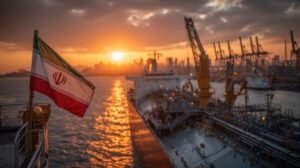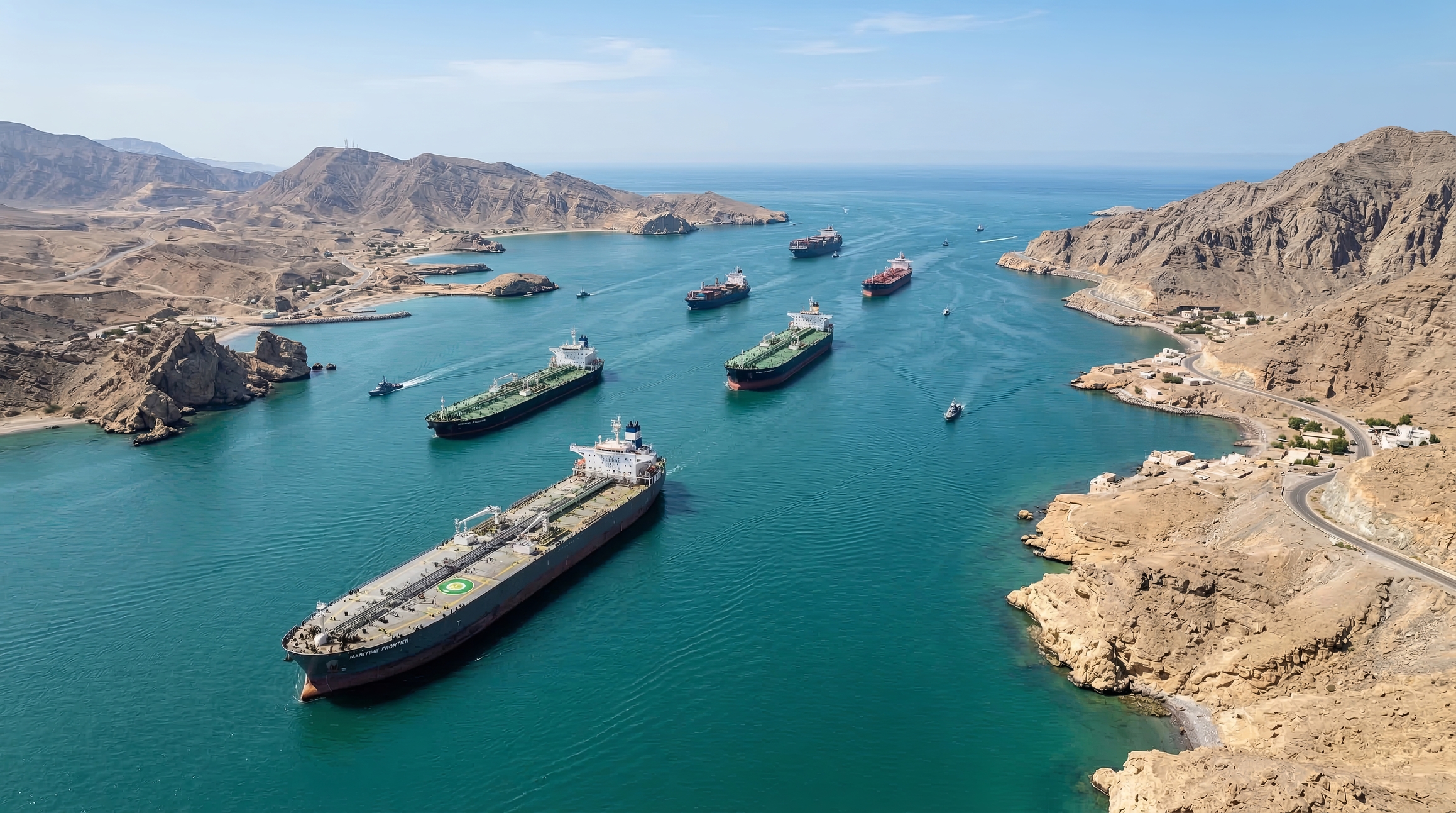
Insurers will not cover any transit fee, toll or other payments made in connection with vessels passing through the Strait of Hormuz.
A new clause and guidance have been developed to support the market in navigating a complex and evolving legal and regulatory environment.
The Lloyd’s Market Association (LMA) has developed the clause to provide clarity to the market on the insurance position where it has been confirmed that a payment (including financial or other forms of payment) has been made to enable a vessel to pass through Iranian territorial waters or otherwise transit the Strait.
Under the clause, insurers will not cover any such payment. In addition, where a payment has been made, cover for the relevant vessel will cease due to the risk of a breach of sanctions and/or terrorism legislation in the US, UK or EU.
LMA said insurers have no liability to indemnify any such payment and, where such a payment has been made, are discharged from obligations in respect of the relevant vessel.
The LMA has developed the clause in response to concerns about applicable sanctions and terrorism legislation arising where insurers become aware, or through appropriate due diligence ought reasonably to become aware, that any financial or non-financial payment has been given by the insured. It is intended to operate alongside existing sanctions clauses.
Arabella Ramage, legal and regulatory director at the LMA, commented: “It provides a clear contractual position for insurers and insureds where transit payments, including non-financial payments, are given in connection with passage through the Strait of Hormuz. The clause and guidance align with existing sanctions and terrorism frameworks, while also evidencing the insurer’s due diligence and compliance.”
This clause has been published for use by marine (hull) underwriters. It is intended to address the position where a transit fee, toll or other charge is paid for a vessel to pass through Iranian territorial waters or otherwise to transit the Strait of Hormuz.
European Commission spokesperson Anouar El Anouni told recently a press conference that the international law/law of the sea is very clear about this matter.
Asked by reporters if ships should remain in the Persian Gulf while waiting for a solution or attempt to pass through Hormuz and pay Iran a transit fee, EC spokesman was clear in his answer: “International law provides for the freedom of navigation, which means … basically no payment or toll whatsoever.”
“Freedom of navigation is a public good … which means that the navigation must be free and needs to be ensured,” he said. “Freedom of navigation must be ensured at all times, and this is crystal clear.”
The Commission repeated, once again, that in accordance with the international law there would not be such tolls or fees to be paid.
“We are calling for the respect of international law,” told reporters European Commission chief spokesperson Paula Pinho.
The Strait of Hormuz has been a consistent sticking point in peace negotiations between the U.S. and Iran.
With the waterway serving as a vital artery for energy exports, stakeholders are pressing for clarity amid ongoing diplomatic manoeuvres involving the United States and Iran. Any potential imposition of transit fees threatens to disrupt established principles of international maritime law and could have ripple effects for energy prices and supply chains worldwide.
Industry leaders warn that such fees would not only affect the cost structure for energy and goods globally but could also set a precedent for other strategic waterways.