EU countries reached a deal Thursday on a sweeping 21st sanctions package against Moscow over its war in Ukraine targeting the shadow fleet, refineries and oil traders in Russia and Belarus. It also pauses the automatic adjustment of the oil price cap mechanism until mid-2027, to ensure that Russia’s profits from oil sales remain contained, despite the exceptional situation on global oil markets.
The 21st round of the package was held up by lots of objections by member states to various proposed elements.
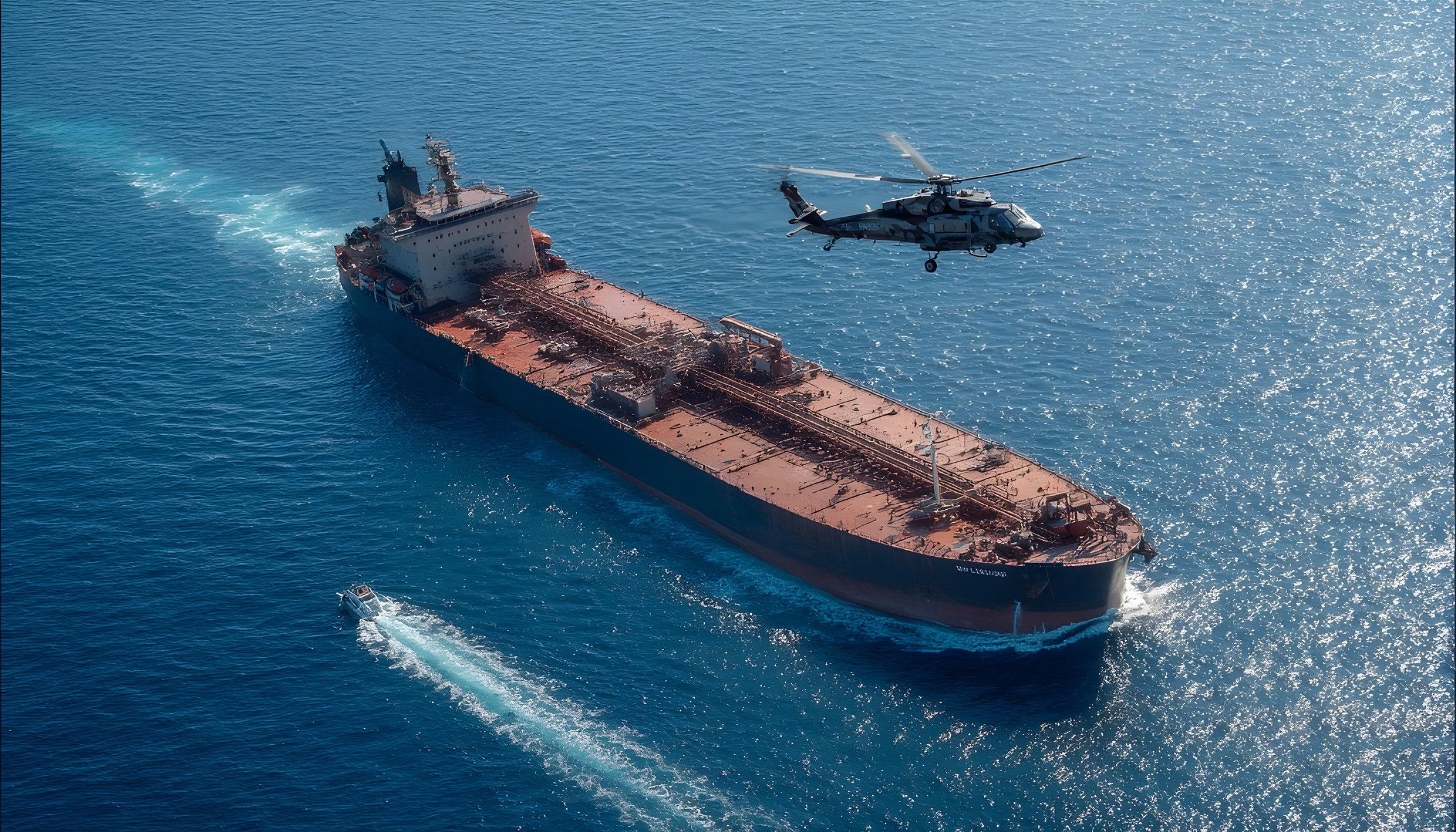
In particular, the EU included 41 more vessels on top of the 632 already sanctioned from the so-called shadow fleet in the 21st sanctions package. These measures target non-EU tankers that are supporting the shadow fleet by providing bunkering and other services.
Under the 21st package, the EU is designating 8 entities and 1 individual active in the shadow fleet ecosystem, including companies operating on behalf of Russia’s oil majors and, for the first time, a crewing agency providing support to the shadow fleet.
The new package also targets Moscow’s oil sector, in particular refineries. It is designating 18 entities and 1 individual in the oil sector, including 3 refineries in Russia, a major Belarusian oil refinery, as well as a company created to sell Belarusian petroleum products within Russia.
Furthermore, the EU added five oil traders to the entities subject to transaction ban for frustrating the prohibition on purchasing Russian crude oil and petroleum products.
The new set of EU sanctions introduces a notification obligation for the sales of LNG tankers and a possibility to introduce new restrictions on the sale of LNG tankers to Russian citizens and companies and introduces other contractual obligations to mitigate the risk of reselling to Russia or for use in Russia.
The bloc also agreed to freeze the oil price cap adjustment for a year, until 15 July 2027, so that Russia does not benefit from market shocks. This is to ensure that Russia’s profits from oil sales remain contained, despite the exceptional market situation caused by the closure of the Strait of Hormuz.
The EU agreement foresees an interim review of the suspension to ensure that the oil price cap mechanism remains necessary and proportionate, EU diplomats said.
EU Commission president Ursula von der Leyen celebrated the news on twitter, writing that it would prevent “the Russian war machine” from benefiting “from market shocks.”
EU foreign policy chief Kaja Kallas said the measures represent the bloc’s largest round of sanctions listings in four years, covering 48 individuals and 170 entities.
“We’re hitting over a hundred banks and crypto operators, 40+ vessels in Russia’s shadow fleet, and several oil refineries in Russia and Belarus,” Kallas said on X.
“Our 21st sanctions package targets the sectors with the highest impact: energy, financial services, crypto, and trade,” European Council head Antonio Costa posted online.
The final text has not yet been officially released. Once approved, it will become the EU’s 21st sanctions package against Russia since the start of the full-scale invasion of Ukraine.