A new insurance pathway opens for the autonomous vessels that can operate independently of human interaction.
The International Group of P&I Clubs (IGP&I) has confirmed that liabilities arising from maritime autonomous surface ships (MASS) are now eligible to be covered within the group’s pooling arrangements across all levels of autonomy, including fully unmanned vessels.
The availability of poolable insurance for autonomous vessels will be subject to individual Club underwriting considerations, with compliance with flag and class requirements remaining key.
“The approval of the IMO MASS Code and the availability of our pooling arrangements for autonomous vessels represent an important step in the evolution of shipping. By confirming that established mutual P&I principles can respond effectively also to autonomous operations, we are giving shipowners the confidence and certainty they need to support innovation in this rapidly developing sector,” said Tim Howse, autonomous vessels committee chair.
Individual Clubs will continue to assess entries in accordance with their own underwriting criteria.
Liabilities and P&I for shore-based and ROC personnel
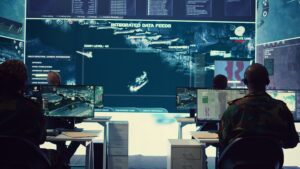
MASS introduce a different operational model, with responsibilities shifting from onboard crew to shore-based systems and remote operators. Actions by Remote Operation Centre (ROC) personnel will be treated in line with traditional navigational responsibilities. Where the conduct of ROC personnel or system results in an incident, such as a collision, associated third-party liabilities will continue to fall within standard mutual P&I cover.
At the same time, the use of shore-based personnel and infrastructure introduces interaction with other insurance lines. Liabilities arising from land-based activities, such as workplace injuries within a ROC or damage to the ROC itself, are not marine P&I risks and are expected to be addressed under conventional employers’ liability or premises insurance.
P&I coverage for malicious cyber risks
Malicious cyber risks remain covered under mutual P&I arrangements, consistent with existing Group practice. However, given the increased reliance on digital systems in autonomous operations, IGP&I said owners are encouraged to engage closely with their Club and underwriters to assess their specific exposures and insurance needs.
What is the MASS Code and to which ships it applies?
The IGP&I announcement follows the recent approval of the IMO MASS Code, a major regulatory milestone that provides the first global framework for the safe operation of autonomous vessels, albeit on a non-mandatory basis until around 2032.
The IMO Maritime Safety Committee adopted the non-mandatory International Code of Safety for Maritime Autonomous Surface Ships (MASS Code) in May 2026 and came into effect on July 1, 2026.
The Code applies to cargo ships covered under SOLAS Chapter I (generally, ships over 500 GT on international voyages). However, it is recommended that member states apply the Code, as far as practicable, to MASS of less than 500 gross tonnage as well.
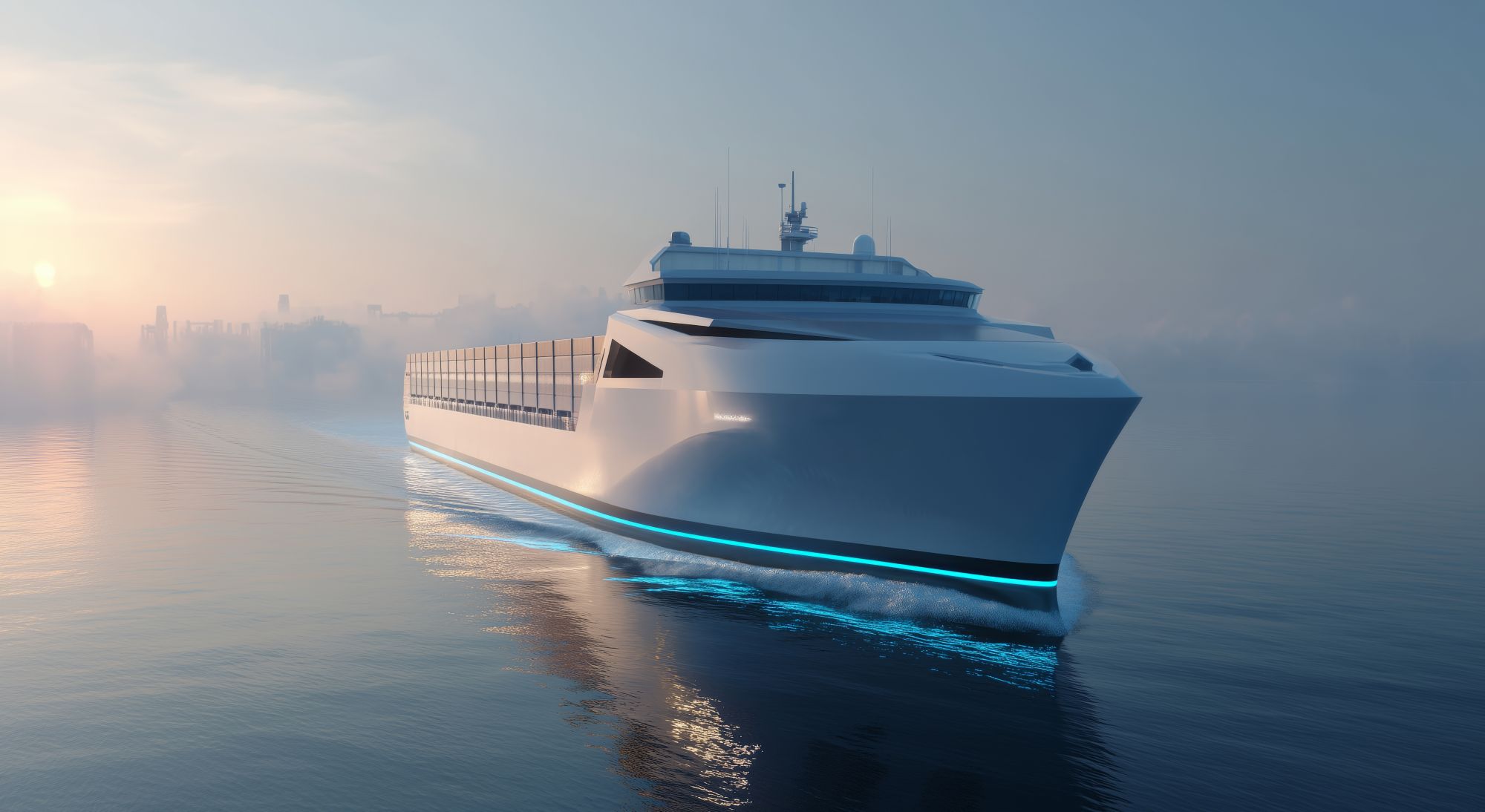
A Maritime Autonomous Surface Ship (MASS) is a ship which, to a varying degree, can operate independently of human interaction.
A ship is considered a MASS only when autonomous or remote technologies replace or support functions normally carried out by crew on board. To qualify, the ship must have successfully completed the approval process and hold a valid MASS Safety Certificate.
As it is a non-mandatory instrument, member states are given the opportunity to test its use while paving the way for making it mandatory under the SOLAS Convention.