In response to the threat of underwater mines disrupting tanker transit, Italian foreign minister Antonio Tajani has confirmed Italy’s readiness to contribute to mine-clearing operations.
However, the minister clarified the Italian position: the deployment will take place once the current situation has stabilized and a state of peace and diplomatic balance has been restored to the area.
In the multinational mission that will be launched in the Strait of Hormuz, Tajani stressed that Italy could contribute to mine-clearing operations and to the safety of commercial navigation.
Tajani highlighted the scale of a potential multinational response, saying that his country – among others – are considering contributing to securing the waterway.
Italy, the minister said, has expressed its willingness to take part, once the conflict has ended, in an international defensive coalition aimed at restoring freedom of navigation in the Strait.
The country’s contribution to mine-clearing operations aims to prevent any environmental or economic disasters resulting from targeting commercial vessels. Accordingly, securing international navigation in the Strait of Hormuz remains the primary challenge uniting Western powers in a comprehensive “cleansing” mission to ensure global energy market stability and prevent any slide toward the paralysis of vital maritime corridors.
Tajani also stressed the necessity to strengthen the European mission ASPIDES, which currently sees, as he said, only Italy and Greece engaged in patrols in the Red Sea to ensure maritime transport security.
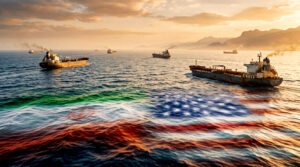
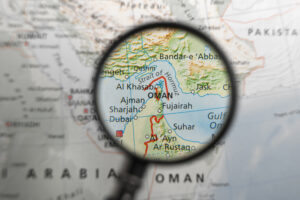
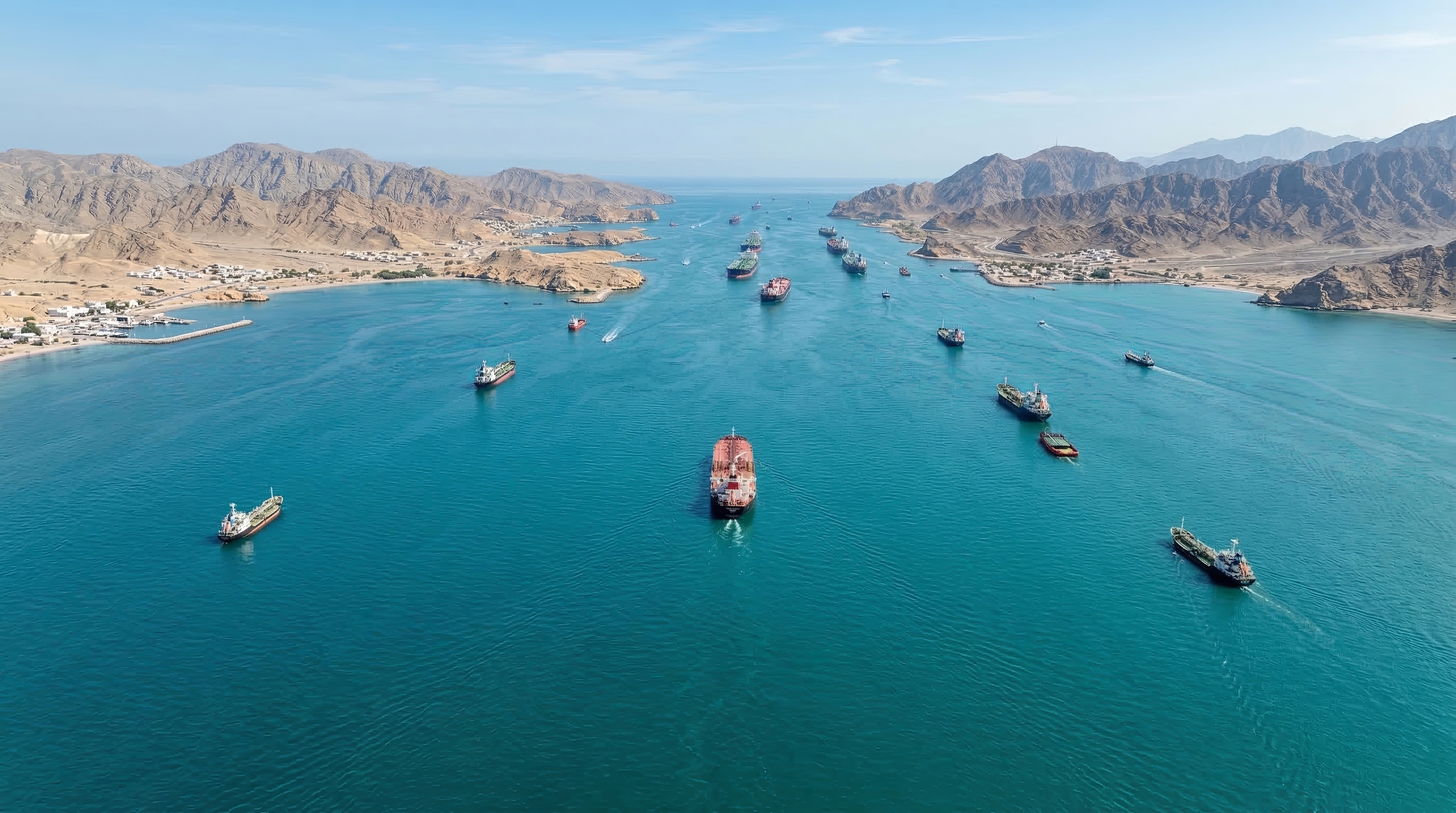
Iran has effectively blockaded the strait, through which around 20% of global oil, a quarter of liquefied natural gas exports and a significant share of raw materials essential to international supply chains pass through it, since it came under attack from the US and Israel in February.
The confrontation has wrought economic havoc around the world, pushing up oil prices and disrupting global supply chains.
The US has also accused Iran of laying mines in the strait.
Britain and France have led talks on a potential naval effort in the region to assist global shipping.
Both countries have said they are “pre-positioning” warships nearby.
“The insecurity of trade routes and rising energy prices have already begun to affect European households and businesses,” the foreign minister warned. Despite the slowdown in global trade and the impact of tariffs, in 2025 Italian exports still grew by 3.3%, confirming how essential the stability of maritime routes is to the national economy.
Alarm is also growing over the consequences for the most fragile countries in Africa and the wider Mediterranean region. Around 30% of global fertiliser exports pass through the Strait of Hormuz, and these are essential for the food security of many vulnerable economies.
The case of Sudan, where one of the world’s most serious humanitarian crises continues to unfold, is emblematic, the minister said. Rising energy and fertiliser prices risk reducing agricultural production, fuelling inflation and worsening instability, famine and migratory flows towards Europe.
For this reason, at the beginning of May Italy’s foreign minister Tajani convened a meeting together with his Croatian counterpart, the current President of the MED9, inviting thirty countries from the Mediterranean, the Middle East and the Balkans, as well as the FAO, to launch the “Rome Coalition for Food Security and Access to Fertilisers,” a permanent forum to identify immediate and concrete solutions.
In recent weeks Tajani also travelled to China, where he met foreign minister Wang Yi, whom he urged to play a more active role for Beijing in mediating with Tehran.
“As I recalled in recent hours in my address to a parliamentary committee in Italy, for our government the blockade of Hormuz is not a mere regional crisis, but a global shock destined to affect energy security, industrial competitiveness and international economic balances. This is a particularly significant risk for all countries in the region, but also for an exporting country such as Italy, whose exports account for around 40% of GDP,” he said, stressing the need for Tehran to negotiate in “good faith” and resume cooperation with the International Atomic Energy Agency, while at the same time rebuilding positive relations with Gulf countries.